The Poison They Left Behind: Kenya's Oil Waste Cancer Cluster
More than 500 people have reportedly died from cancers in villages near abandoned drilling sites in northern Kenya. The company that left the waste behind has declined to comment.
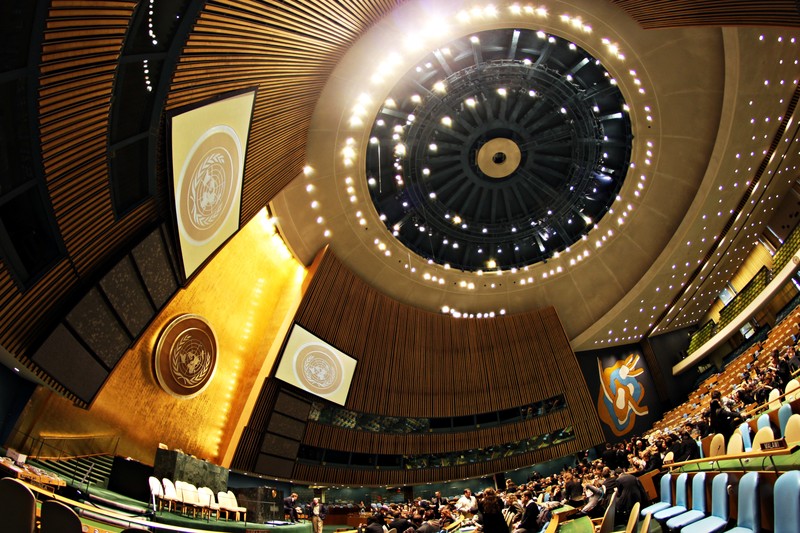
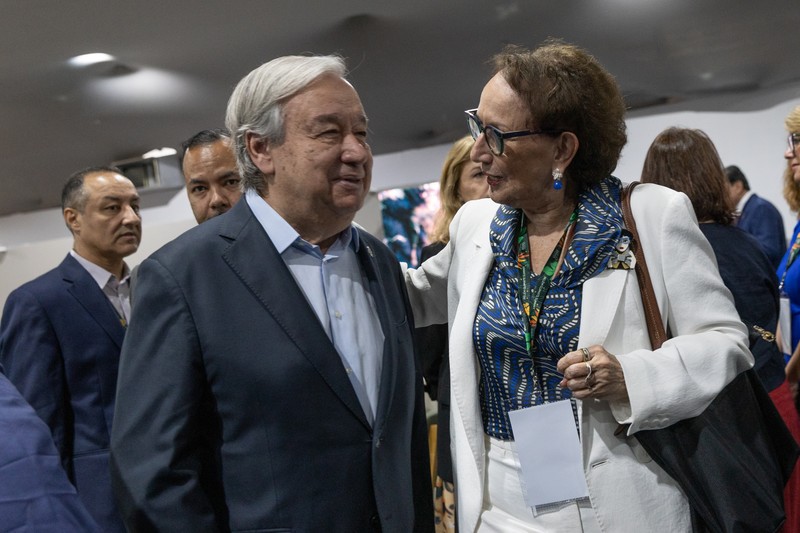
Fifty-seven countries gathered in Colombia for the first summit dedicated to planning a managed phase-out of fossil fuels. The world's biggest producers and consumers weren't invited.
For four consecutive hours during the 2024 Hajj, heat and humidity in Mecca exceeded what the human body can survive — even for healthy young adults. Roughly 1,300 pilgrims died.
A Nature study finds that continued deforestation could trigger Amazon collapse at 1.5°C of warming — a threshold the world could breach before 2030. Without deforestation, the same dieback would require nearly 4°C.
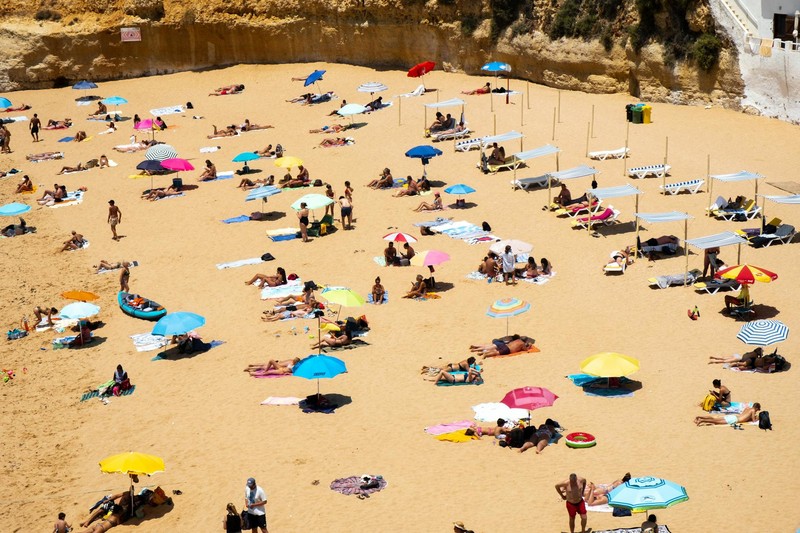
A cafe that once sat at the water's edge now stands meters from the nearest shore. The world's largest inland sea has dropped two meters since the 1990s — and projections get far worse from there.
Thirty gigawatts of planned clean energy capacity now sits in limbo. The Pentagon's explanation for blocking 165 onshore wind projects: national security. The specifics: nonexistent.
Satellite data puts Australian coalmine methane at 1.7 million tonnes. The government's official figure: 0.82 million. The gap is not new — but it keeps widening.
New satellite data confirms parts of Mexico's capital are dropping nearly 2 centimeters every month. The Angel of Independence has needed 14 extra steps added to its base since 1910 just to reach ground level.
A 12-meter humpback whale swam free in the North Sea on Saturday after eight weeks stranded in the Baltic. Whether he reaches the Atlantic is far from certain.
Fifty-nine nations signed on to draft national roadmaps for phasing out coal, oil, and gas. The plans are voluntary, carry no deadlines — and the world's biggest emitters didn't show up.
Toxic runoff from rare earth mines in Myanmar and Laos is draining into the Mekong, threatening 70 million livelihoods — all to feed global demand for EVs, wind turbines, and weapons systems.
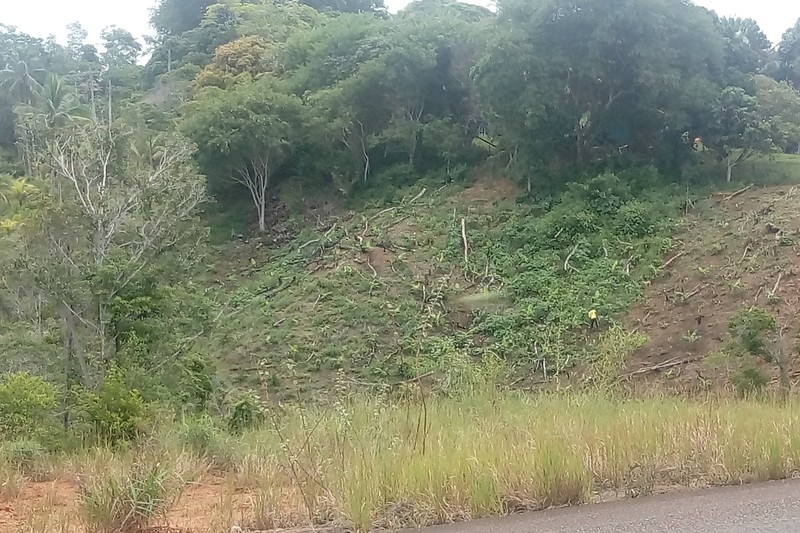
The world lost a Denmark-sized expanse of tropical rainforest in 2025. That was the good news — and a potential El Niño could undo even that.
30°C inside the Arctic Circle. 50°C in Turkey. Europe is warming twice as fast as the rest of the planet, and the continent that industrialized the world is paying the steepest price.
The Interior Department is paying offshore wind developers $885 million to walk away from clean energy and invest in oil and gas — at a moment when fossil fuel dependence is driving up energy prices.
In the dead of Antarctic winter, during months of total darkness, temperatures surged 28°C above average for over two weeks. A comparable anomaly in the UK would mean January highs in the mid-30s.
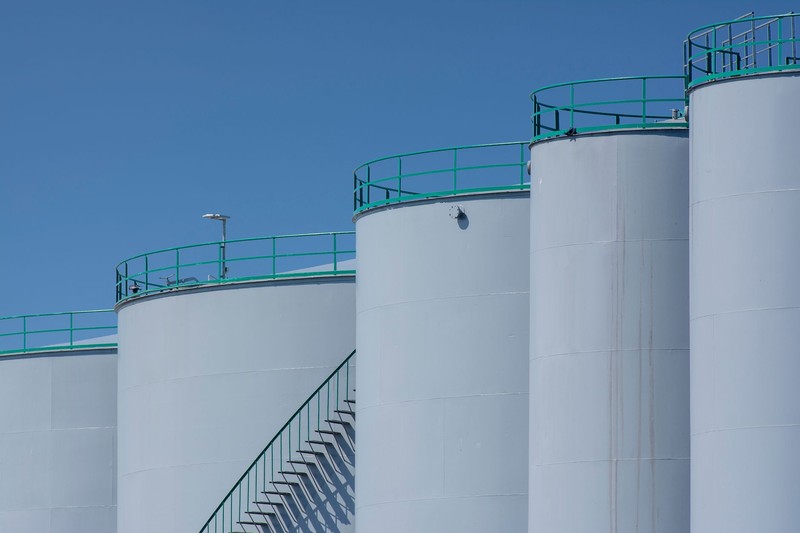
Oil tankers unload across the road from the conference hall where 60 nations are planning the end of fossil fuels. The world's three biggest emitters didn't show up.
More than 4,500 people are suing one of Britain's biggest chicken producers and a water company over the ruin of three rivers along the Welsh-English border. It is the largest environmental pollution claim in UK legal history.
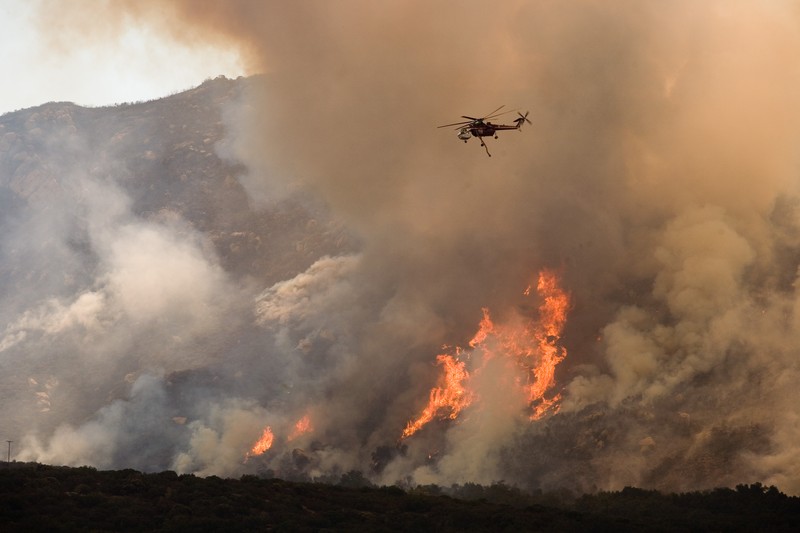
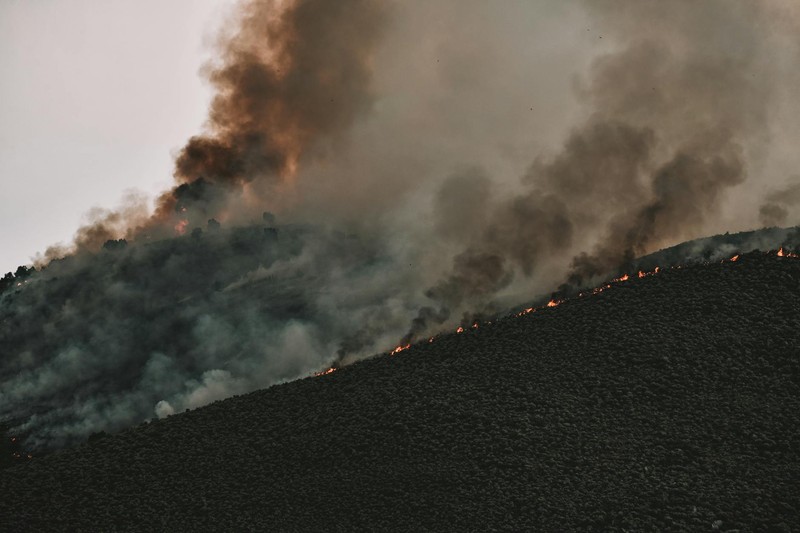
Otsuchi lost nearly a tenth of its population in the 2011 tsunami. Now wildfires are threatening what remained — and two of Japan's three largest blazes on record have struck the same prefecture in just thirteen months.
Venice's €6 billion flood barrier system was activated 30 times in the first two months of 2026. A comprehensive new analysis finds no strategy — at any price — can preserve the city as it exists today.
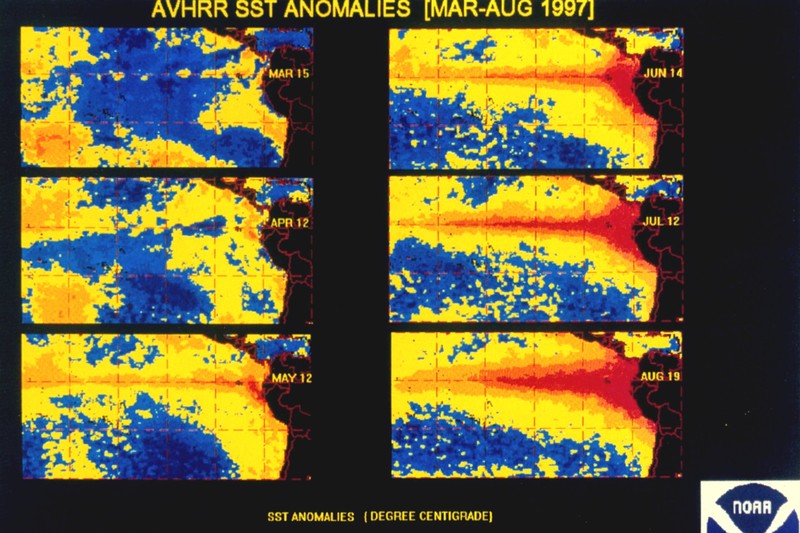
Researchers have built a model that predicts El Niño 15 months ahead. Its first major forecast: a potentially 'super' event building in the Pacific, with 2026 tracking as the second-warmest year on record.