 lop News
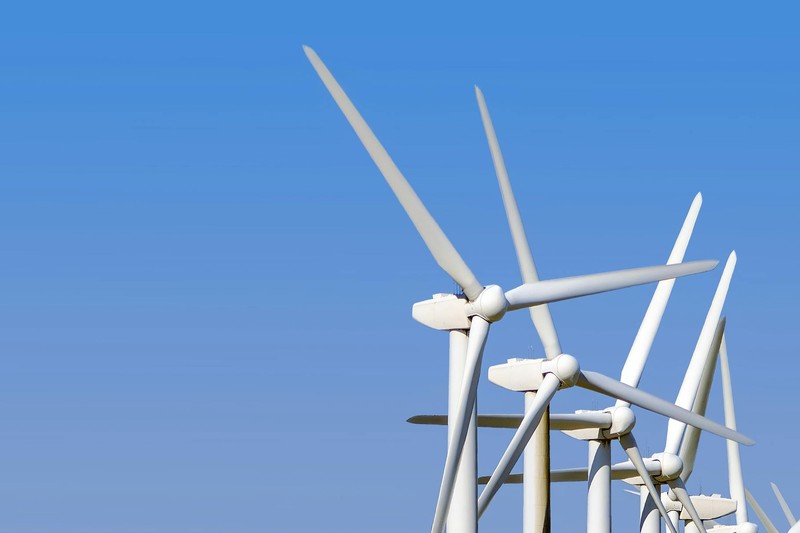
Thirty gigawatts of planned electricity capacity — enough to power millions of homes — sits in bureaucratic limbo after the Trump administration froze 165 onshore wind farm projects across the United States.
The Department of Defense has stopped processing routine approvals that normally take days, according to the American Clean Power Association (ACP) and people familiar with the matter. Since August 2025, developers have faced canceled meetings, unanswered communications, and applications that simply went dark.
The scope is staggering. Thirty-five projects had completed negotiations and were awaiting final sign-off. Another 30 had received verbal approvals and were waiting for written confirmation, according to developers and consultants. Roughly 50 were mid-negotiation. And about 50 were projects that would previously have been deemed too far from military facilities to pose any risk at all — the kind that normally pass review without friction.
The stated reason is national security. Letters sent to developers in early April said the Pentagon is now reviewing how it evaluates the security impact of energy projects, according to Electrek. No specifics have been offered. Wind farms do require Defense Department clearance to ensure turbines don’t interfere with radar — a known, solvable problem that typically ends with developers paying for radar filter upgrades.
This is not the administration’s first swing at wind energy. A blanket ban on offshore wind permits, signed on Trump’s first day in office, was ruled illegal by a federal judge. The administration has since paid nearly $2 billion to offshore wind companies to abandon their East and West Coast leases. Separately, the Interior Department paused all five offshore wind projects under construction off the Atlantic coast, citing classified Pentagon reports — a move Democratic Senator Sheldon Whitehouse of Rhode Island called “vindictive harassment.”
The timing is blunt. In 2025, US clean power attracted $79 billion in investment and accounted for over 90% of new electricity capacity added to the grid, per ACP data. Wind alone represents roughly 10% of US power generation, almost entirely from land-based turbines.
The administration has found a pressure point — not in the law, but in the silence between approvals.
Discussion (7)