Colombia to Kill 80 Hippos Escobar Left Behind
Colombia spent 12 years trying to sterilize them. Deporting them would cost $3.5 million. Now up to 80 of Pablo Escobar's feral hippos will be shot instead.
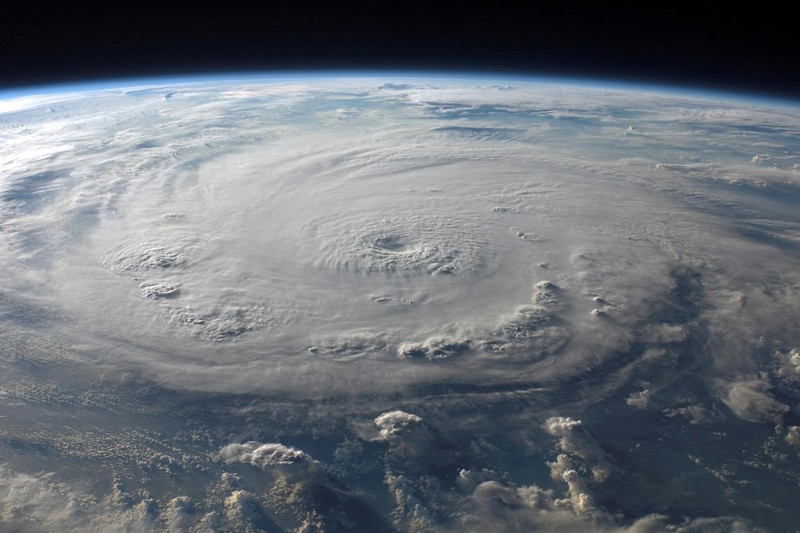
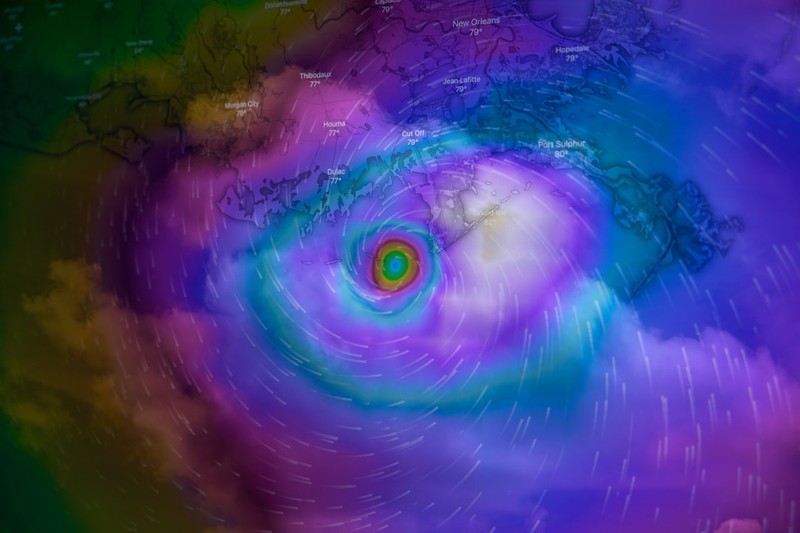
Winds of 175 mph. A 17-mile-wide eye aimed at islands housing 50,000 people. The strongest storm on Earth this year is hours from making landfall on US territory — and the power could stay off for weeks.
Storms that rapidly intensify over marine heat waves cause 93% more economic damage than comparable cyclones. More than half of all landfalling tropical storms now cross them.
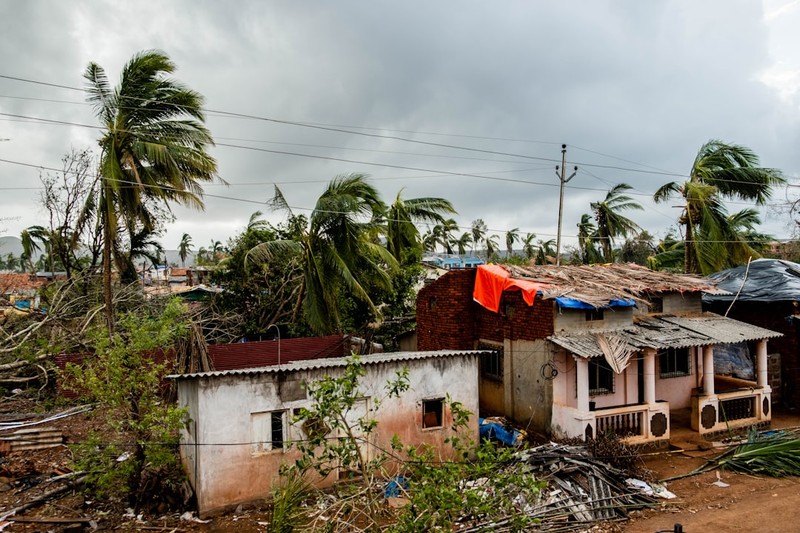
MetService issued rare red-level wind warnings and called the storm 'life-threatening.' Two direct cyclone strikes in three years is raising questions this country hasn't had to ask before.
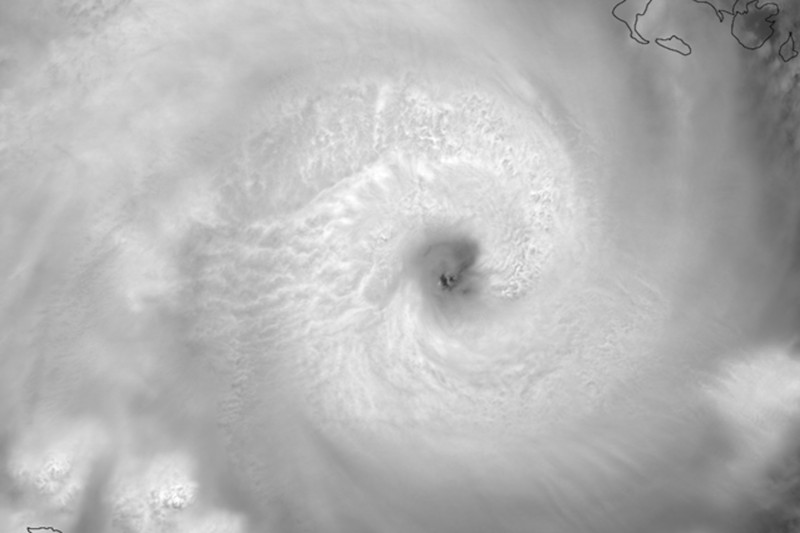
Two dead, 73,000 affected, and a superlative no one wanted: Cyclone Maila is the strongest storm ever recorded this far north in the Solomon Sea.
The wet-bulb temperature of 35°C was supposed to mark the limit of human survival. A new study finds people are already dying at 24°C — because the threshold was wrong.
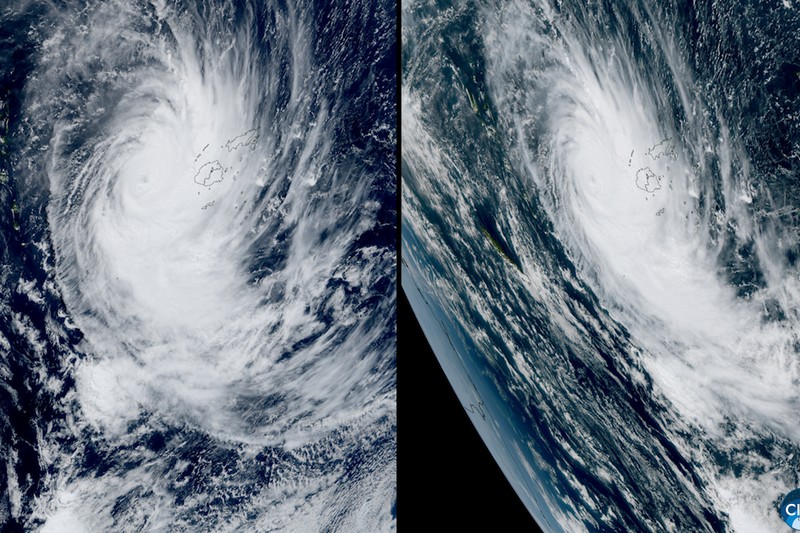
Strong wind watches cover the entire North Island — days earlier than normal — as a cyclone with 150km/h winds tracks south from Fiji. Sunday is the likely landfall.
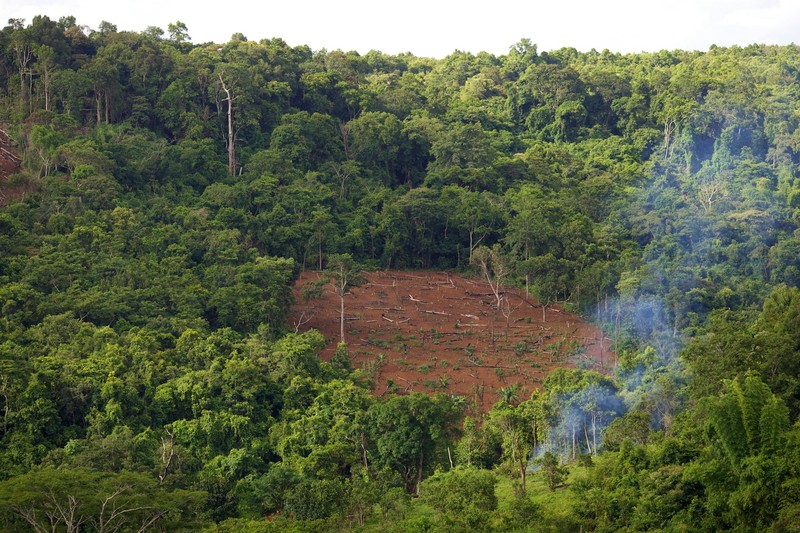
Deforestation-driven warming kills roughly 28,000 people a year across the tropics, the first study to isolate the health toll of forest loss has found. In parts of Vietnam, the death rate reaches 29 per 100,000.
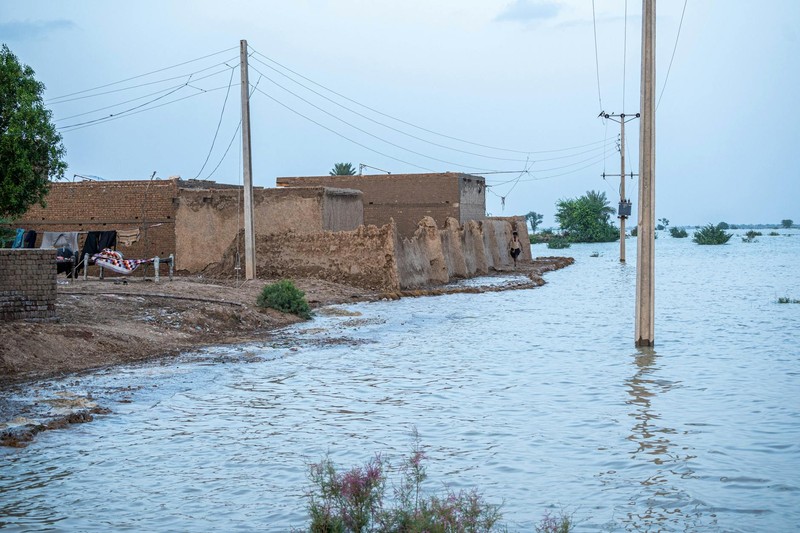
At least 121 people have been killed by two weeks of relentless flooding across Afghanistan and Pakistan. Outside the region, almost nobody noticed.
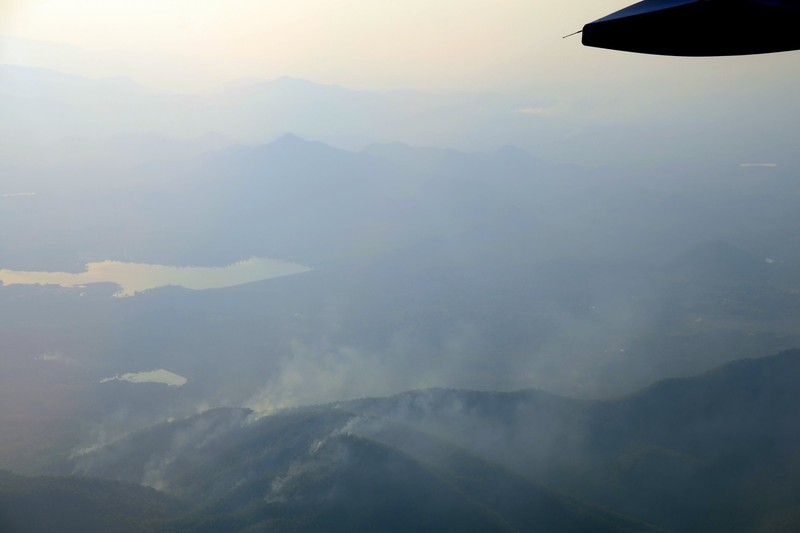
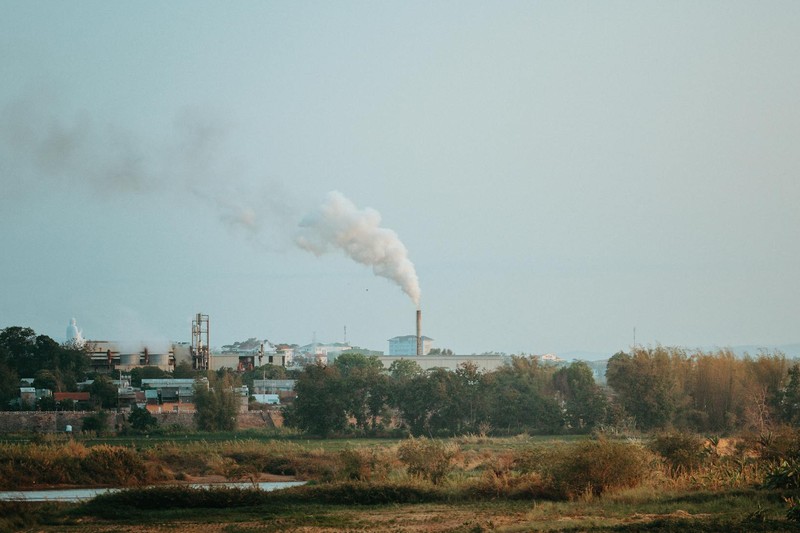
Chiang Mai residents are blowing blood clots into tissues and sending children to live with relatives in cleaner provinces. The city keeps topping global pollution rankings — and the burning season has weeks left to run.
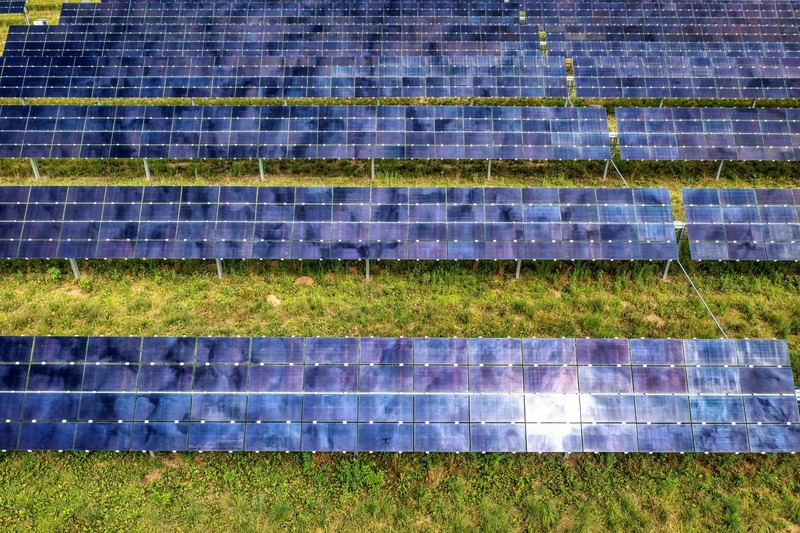
The world added more solar capacity in 2025 than all fossil fuel generation combined built in the same period. The milestone comes amid an oil shock that makes the shift look less like climate policy and more like hedging.
A Wisconsin-sized stretch of Alaska's North Slope is shedding ancient carbon into the Beaufort Sea — and 44 years of fine-grained data suggest climate models may be underestimating the scale of what's being released.
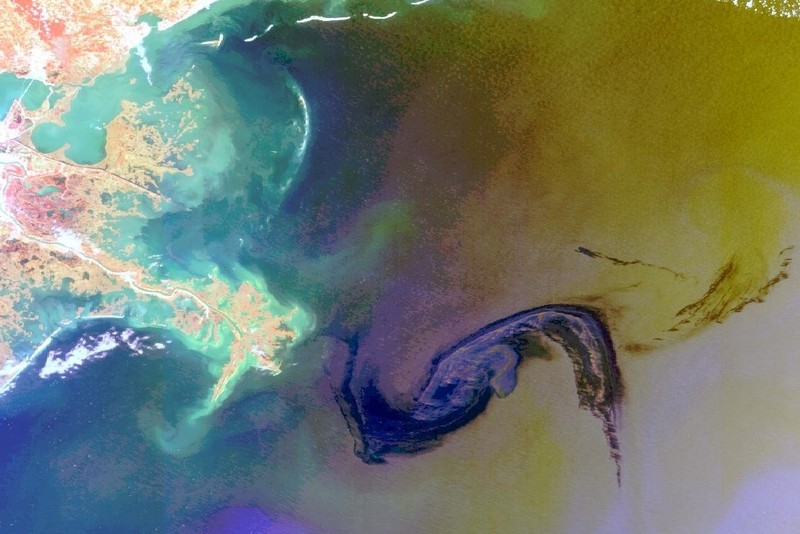
A committee that hadn't met in 30 years voted unanimously to strip endangered species protections from Gulf of Mexico drilling — the first time a national security justification has been used to waive the law.
A panel nicknamed the 'God Squad' has lifted species protections only twice since 1978. On Tuesday, it considers a blanket exemption for every offshore oil operation in the Gulf of Mexico — at the request of the Pentagon.
The planet's carrying capacity has already been exceeded — not at some future date, but now. Food security and climate stability are absorbing the immediate consequences.
Nearly 160 of Vietnam's environmental monitoring stations — more than half the national total — were quietly rigged to report safe emission levels. Police have arrested 74 people, including government officials.
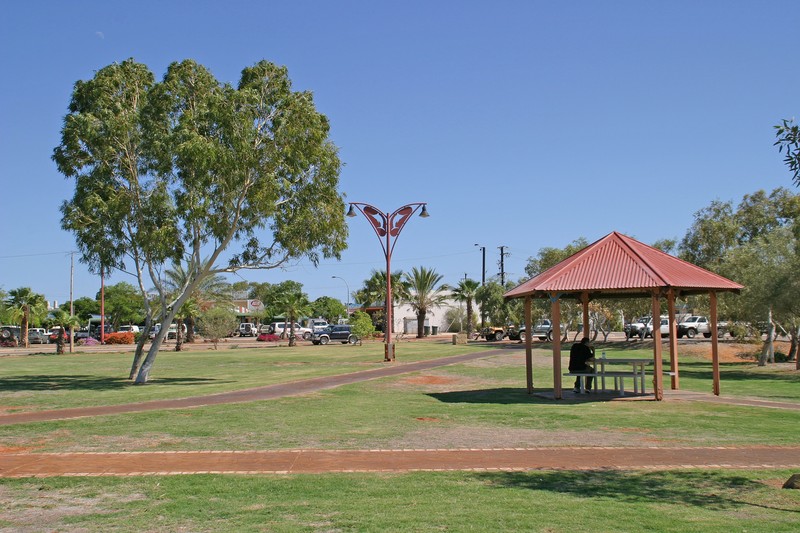
Fifty people fled an Exmouth evacuation centre when the building itself began to fail. Outside, 250km/h winds were tearing the town apart — and four of Australia's biggest gas plants were about to go offline.
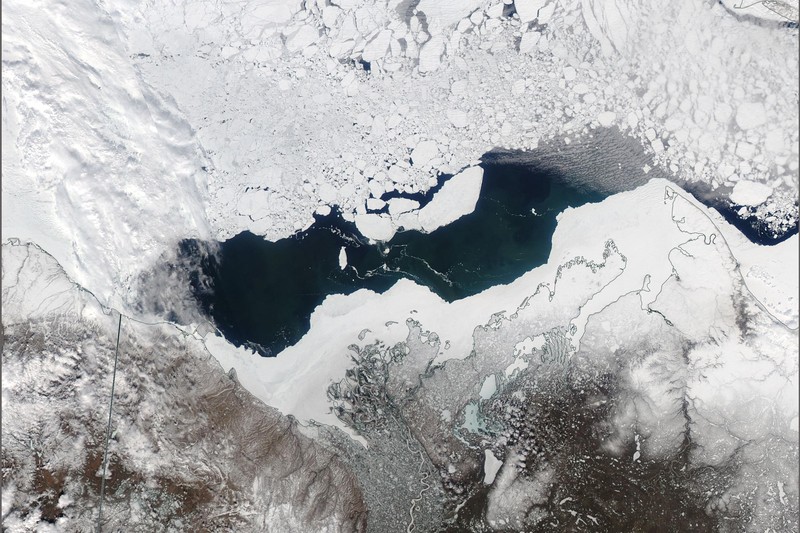
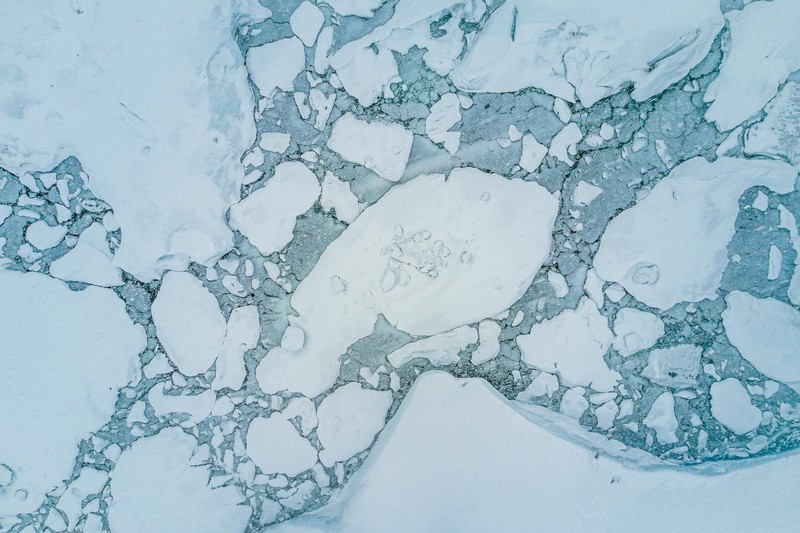
The ice anchoring to Alaska's northern coast is sticking around for 57 fewer days than it did 27 years ago. That's one data point in a winter that just tied the lowest Arctic sea ice maximum ever recorded.
A 1,200-kilometre trek across East Antarctica has mapped decades of PFAS deposition in snow. One compound — trifluoroacetic acid — has risen every single year since 1976.
Japan is suspending emissions caps on its oldest, dirtiest coal plants for a year. The reason: 6% of its LNG and over 90% of its oil passed through a strait that is now a war zone.