 lop News
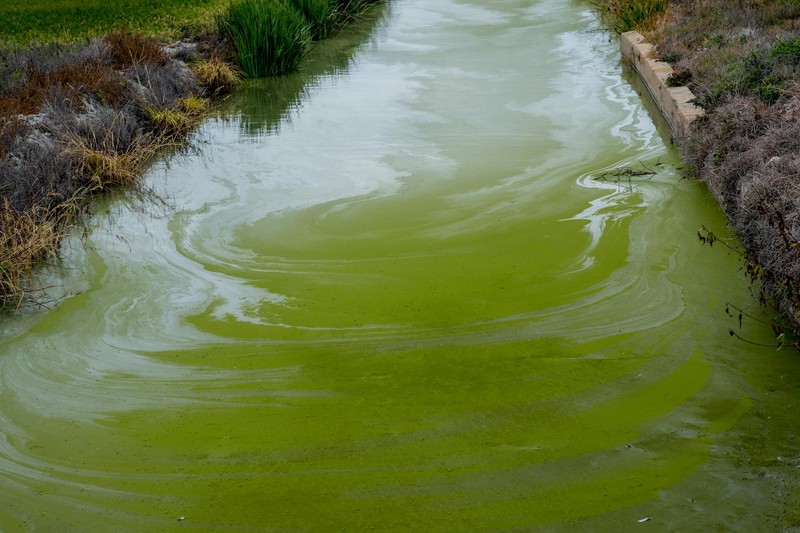
The River Wye turns green in summer. It smells. The slime coats the banks where Atlantic salmon once ran in numbers that made the waterway famous. On Monday, more than 4,500 people will ask the High Court to do something about it.
The case, the largest environmental pollution claim ever brought in the UK, targets Avara Foods — one of Britain’s biggest chicken producers — its subsidiary Freemans of Newent, and Welsh Water. The claimants, who live and work along the Wye, Lugg, and Usk near the Welsh-English border, allege that nutrient runoff from industrial poultry farming and sewage discharges have devastated three celebrated waterways.
Some 24 million chickens are raised in the Wye catchment area — roughly a quarter of the UK’s entire chicken population, according to the BBC. The claim alleges that manure from those operations was spread on nearby fields as cheap fertiliser, and that phosphorus, nitrogen, and bacteria from it washed into the rivers, triggering algal blooms that suffocate fish and erode tourism, fishing, and property values. Natural England rated the Wye’s condition as “unfavourable — declining” in 2023.
Avara Foods has called the allegations “misconceived” and “unsupported by any proper scientific basis,” citing Environment Agency data showing phosphorus levels falling since the early 1990s. Welsh Water, accused of compounding the problem through sewage spills, said the case is “misguided” and noted it has invested £76 million in reducing nutrient levels across the three rivers between 2020 and 2025, with a further £87 million allocated through 2030.
The claim, brought by law firm Leigh Day on a no-win, no-fee basis, alleges negligence, private and public nuisance, and trespass. Monday’s hearing is procedural — a case management conference to set timelines — but the stakes are real. A ruling for the claimants could reshape corporate accountability across British agriculture and water management. A ruling for the defendants would reinforce the contention that the degradation of a celebrated river is, legally speaking, no single party’s responsibility.
Sources
- UK’s biggest ever environmental pollution claim reaches High Court — BBC News
- Wye pollution legal claim filed at High Court — Leigh Day
- First court hearing for River Wye pollution claim — Rayo / Planet Radio
Discussion (6)