Life Needs 20 Amino Acids. These Cells Run Fine on 19.
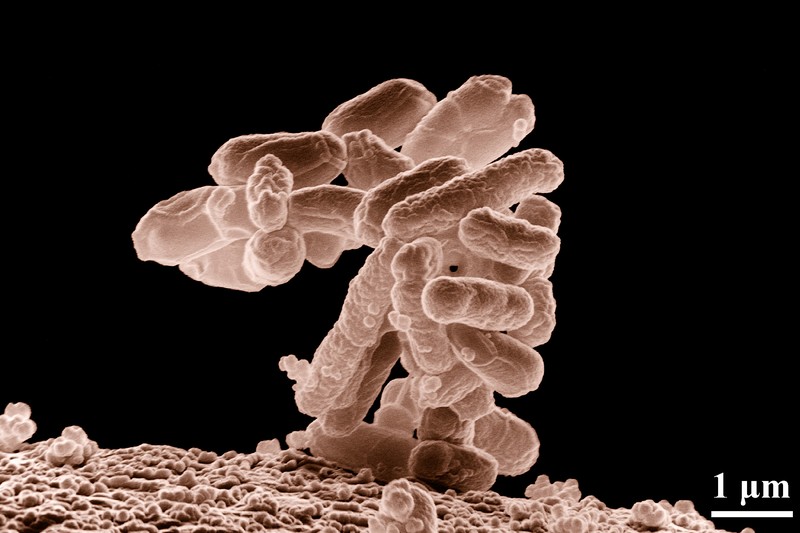
Every organism that has ever lived builds proteins from the same 20 amino acids. Scientists at Columbia just proved one of them is optional.
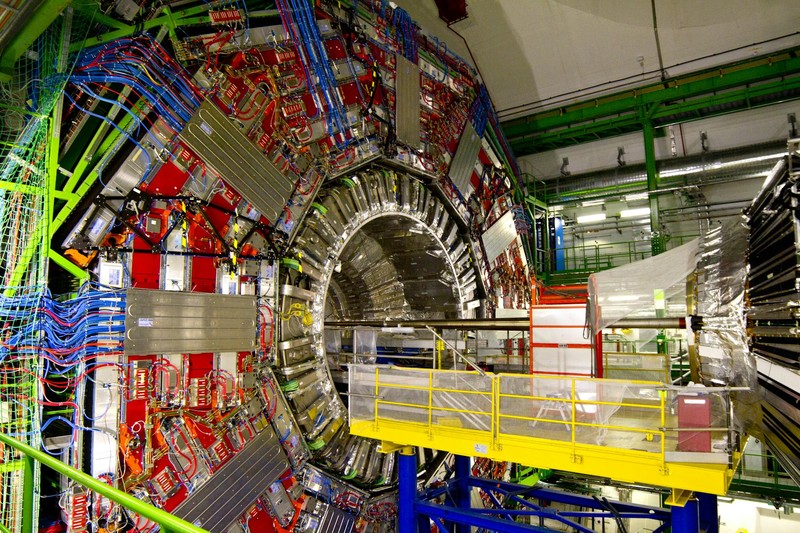
A stubborn anomaly in subatomic "penguin" decays has reached 4 sigma at CERN — meaning there's roughly a 1 in 16,000 chance the Standard Model explains it. Two separate experiments now agree.
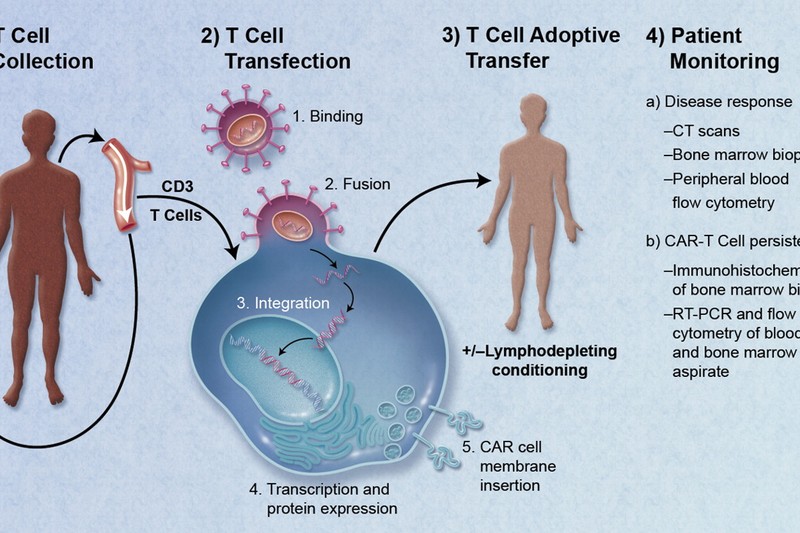
Eleven patients received an experimental therapy enriched with stem-like immune cells. Five walked away in full remission — at doses far lower than conventional treatment.
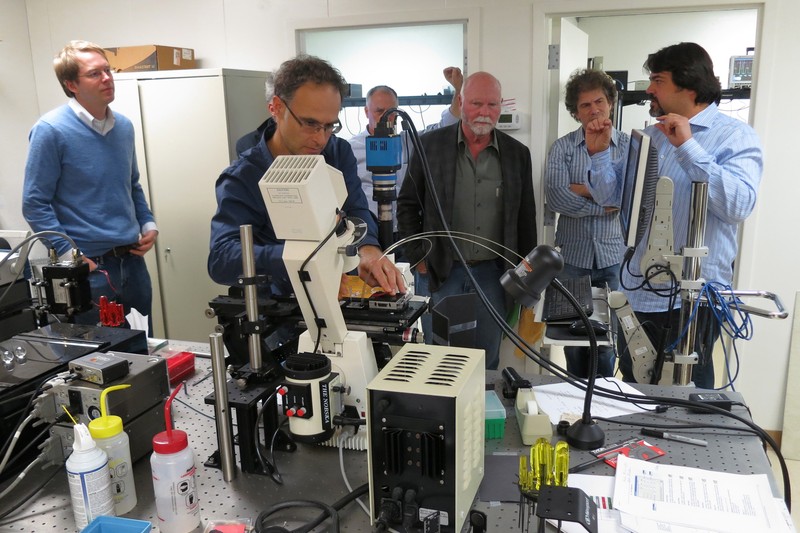
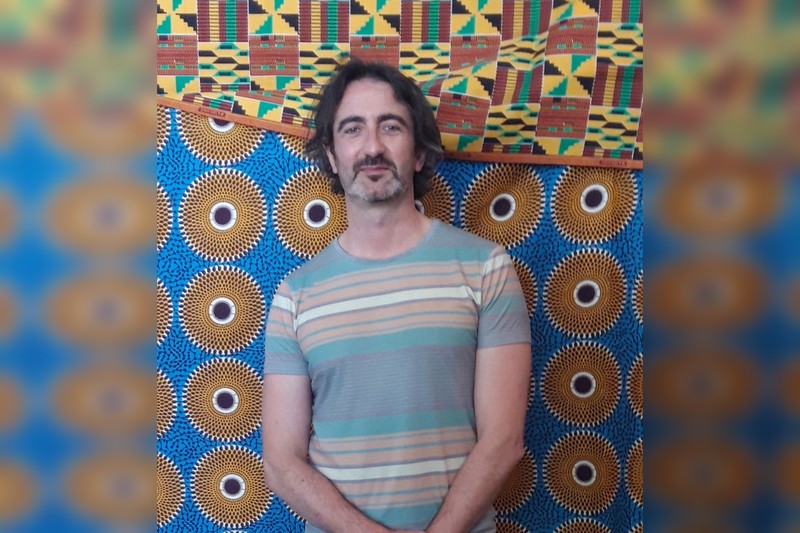
He raced the federal government to sequence the human genome and won — sort of. Then he built the first living cell from synthetic DNA.
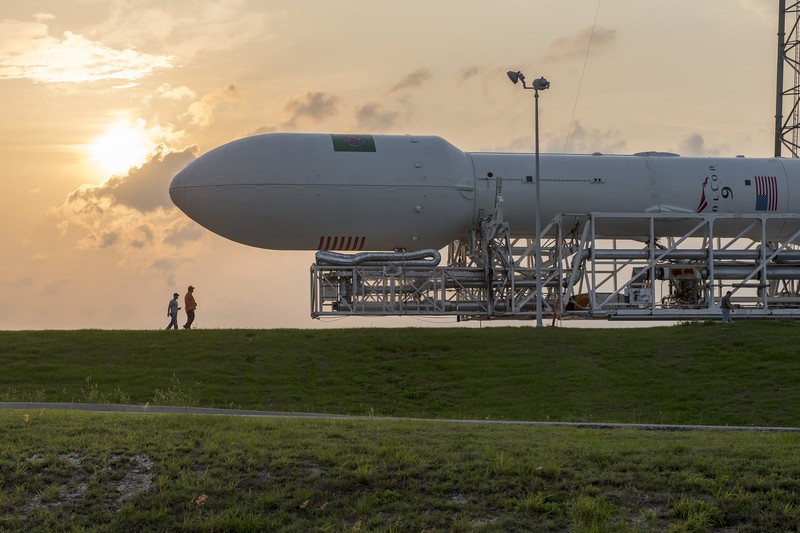
On August 5, a four-tonne SpaceX rocket stage will slam into the Moon at 5,400 mph. No one planned for it. No one can prevent it. And there's no rule saying anyone has to.
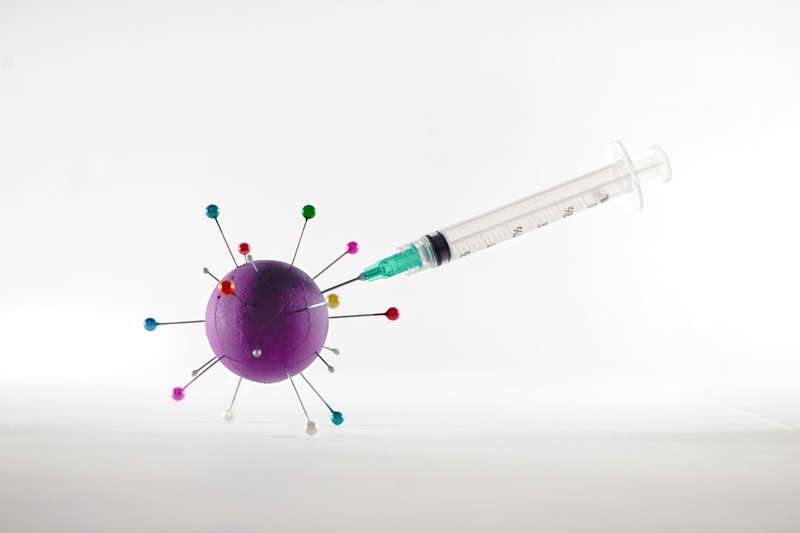
A vaccine strategy tested in macaques produced antibodies that neutralized more than 49% of diverse HIV strains — matching a feat the field has chased for decades but never achieved through vaccination.
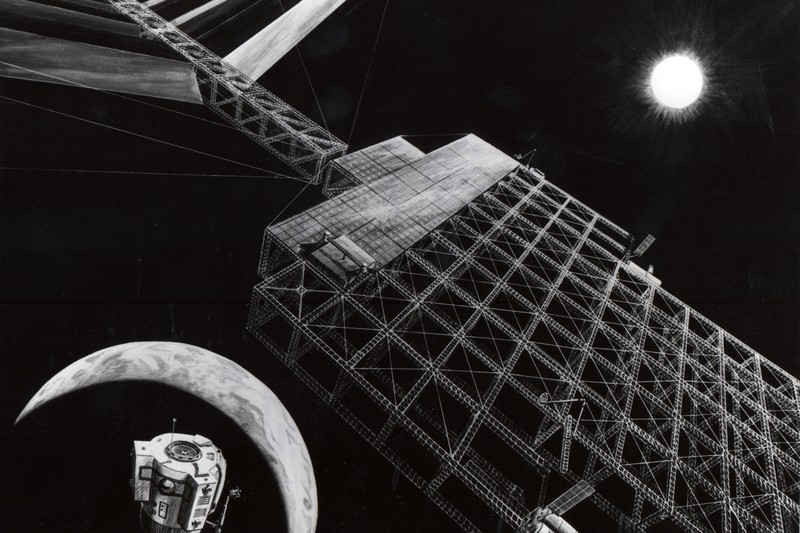
Japan imports over 90% of its energy. Later this year, a washing machine–sized satellite will test whether the country can start beaming it from orbit instead.
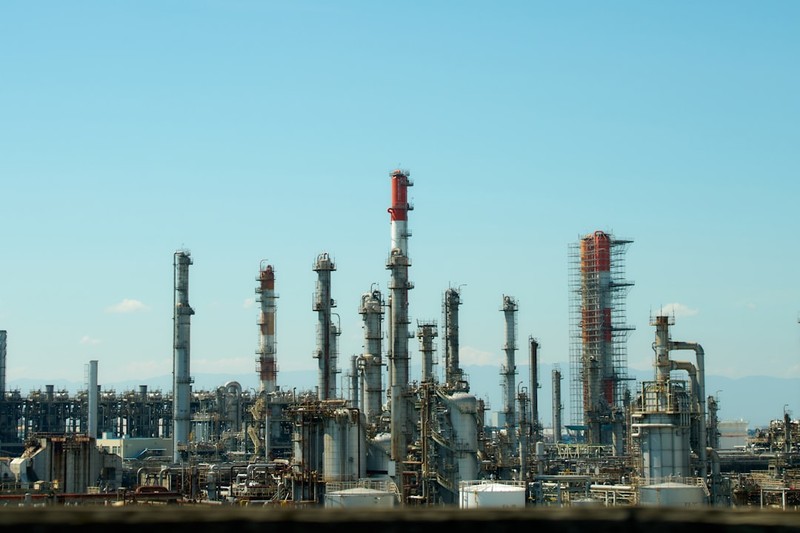
A single-step iron catalyst could remake aviation fuel. China filed the patent just as jet fuel prices doubled past $200 a barrel.
For 119 years, Linear Elamite sat in a drawer marked "undecipherable." Then a French archaeologist found his Ptolemy — a king named Shilhaha — and cracked open a civilization that flourished between Mesopotamia and the Indus Valley.
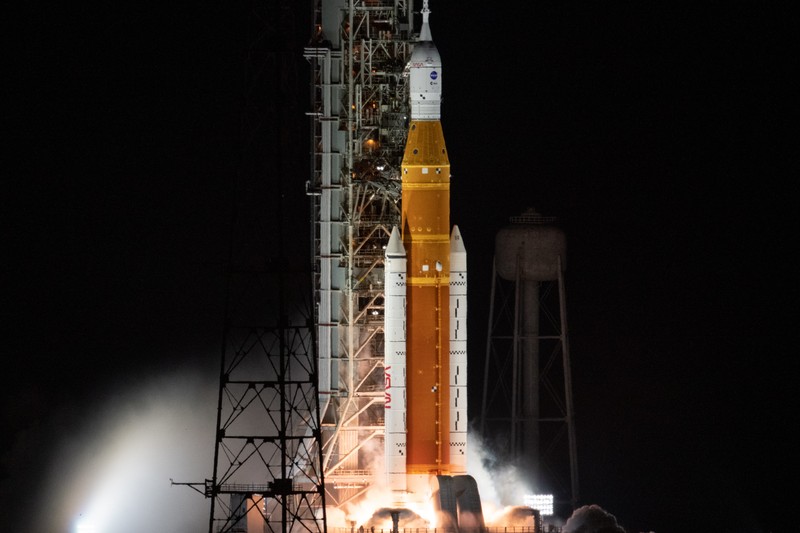
Artemis III was supposed to land on the Moon. Instead, NASA will test two private landers in Earth orbit — and the first crewed lunar touchdown slips to at least 2028.
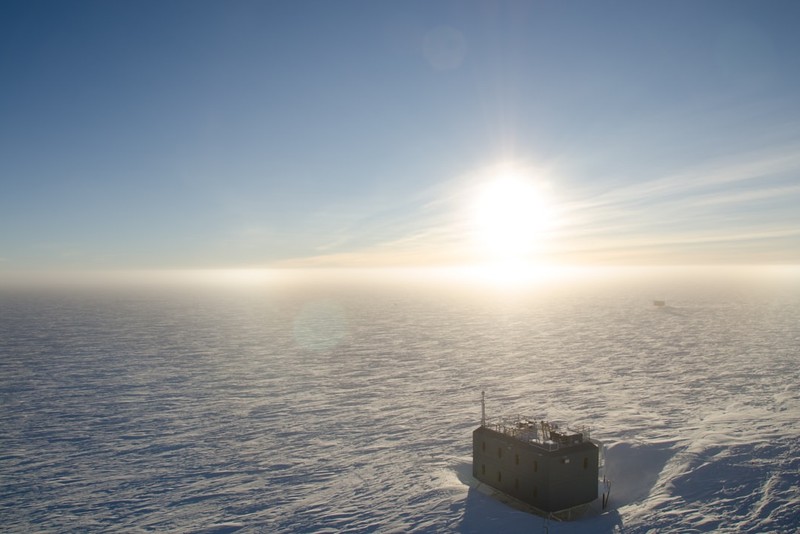
Thirteen radio pulses, buried in 208 days of noise from the South Pole, prove a detection technique that physicists have chased since 1962. The real quarry — ghostly neutrinos from the universe's most violent events — is still out there.
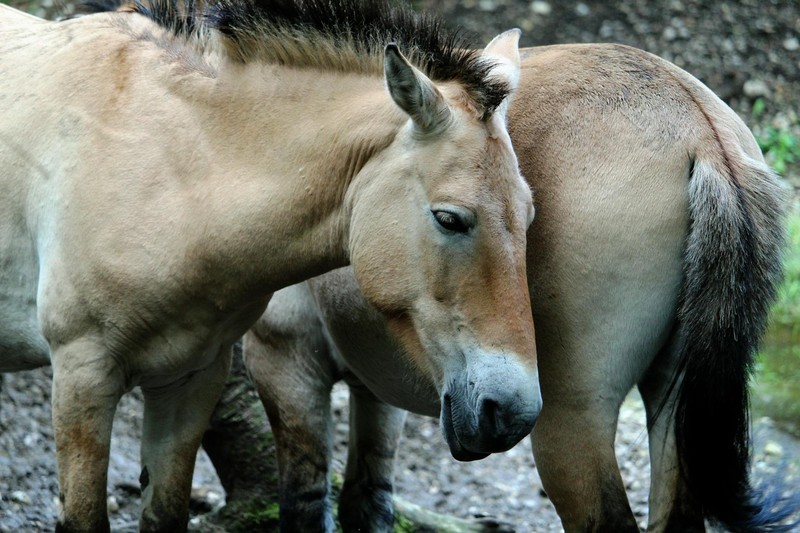
Forty years after the world's worst nuclear disaster, wolves outnumber people sevenfold, brown bears have returned after a century, and horses sleep in abandoned houses. The reason isn't what you'd expect.
Liam Price, 23, has no math degree. He typed a decades-old conjecture into ChatGPT and got back what experts are calling a "Book Proof" — using a method no human had thought to try.
Every member of the board that oversees $9 billion in federal research funding received the same boilerplate email on Friday. No justification was given.
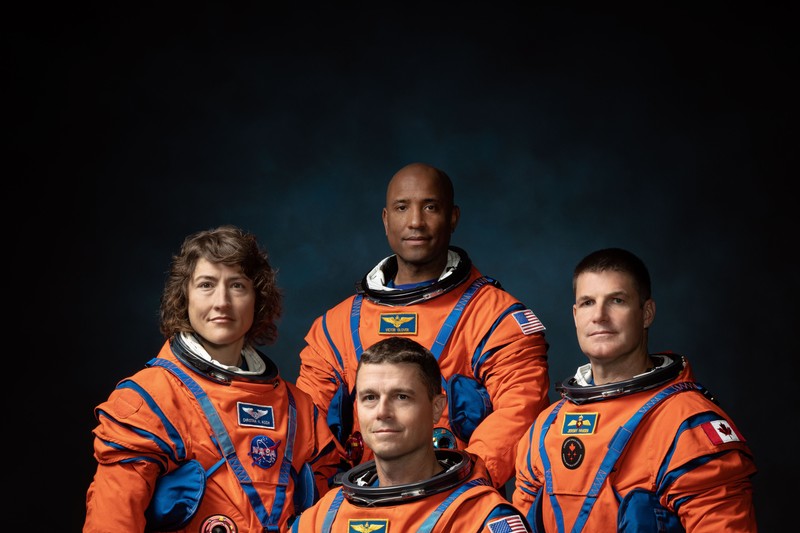
Four astronauts traveled 252,756 miles from Earth and broke a 53-year-old distance record. At their first press conference, what they wanted to talk about was hope.
NASA spent a decade planning a space station around the Moon. The station's two primary habitable modules couldn't survive storage on Earth.
Microplastics appeared in every single healthy brain sample tested. Near tumours, concentrations were significantly higher — and correlated with faster cancer growth. Whether that's cause or consequence is the open question.
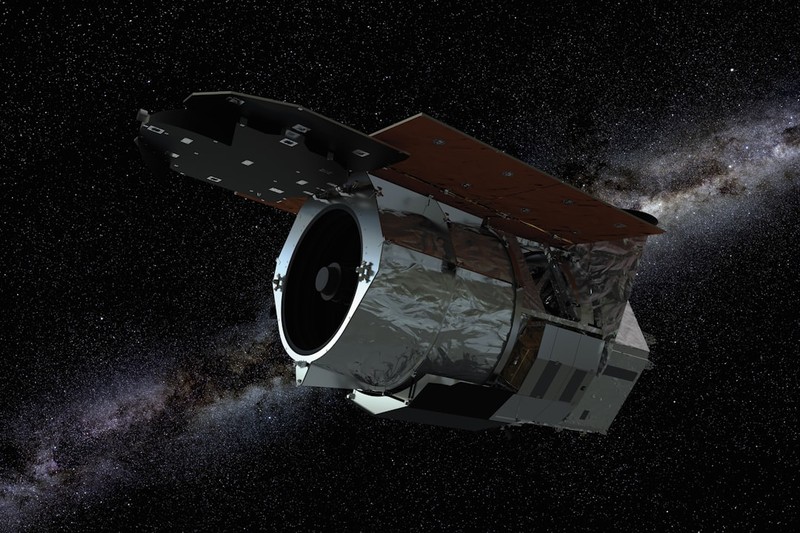
Two administrations tried to defund NASA's next great observatory. It survived, came in early and under budget, and launches in September with a field of view 100 times wider than Hubble's.
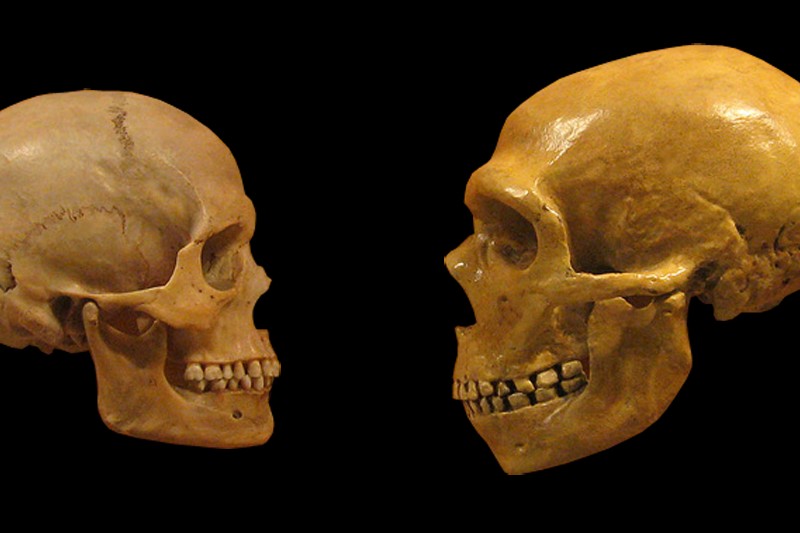
The genetic machinery behind complex language didn't originate with modern humans. A University of Iowa study suggests our shared ancestor with Neanderthals may have been capable of speech — pushing the origin story back by hundreds of thousands of years.
A robotic arm taught itself table tennis from scratch in simulation, then transferred that skill directly to the real world — no human demonstrations required. It just beat elite players under official competition rules.