Deaf Since Birth, They Heard for the First Time — and It Lasted
A single injection restored hearing in 90% of participants — including a 32-year-old who had never heard a sound. Two and a half years later, it's still working.
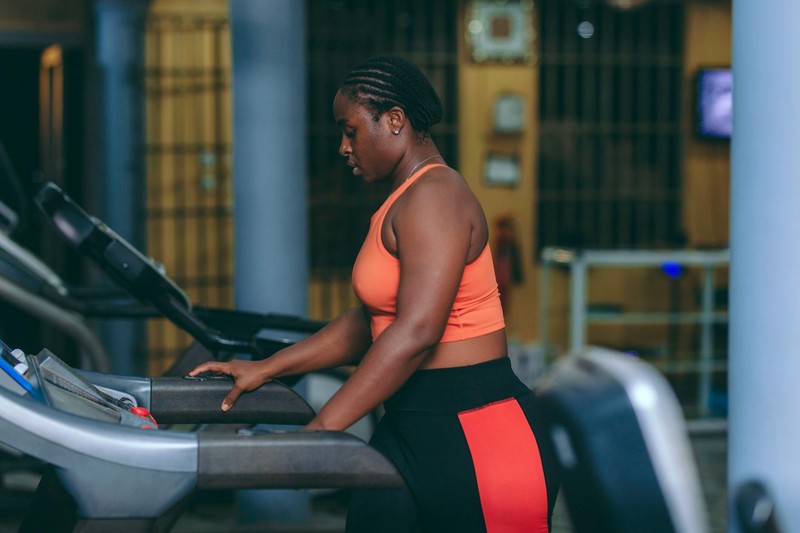
B cells, long known as the immune system's infection fighters, also help muscles burn fuel during exercise — at least in mice. The finding opens a entirely new window on how the body sustains physical effort.
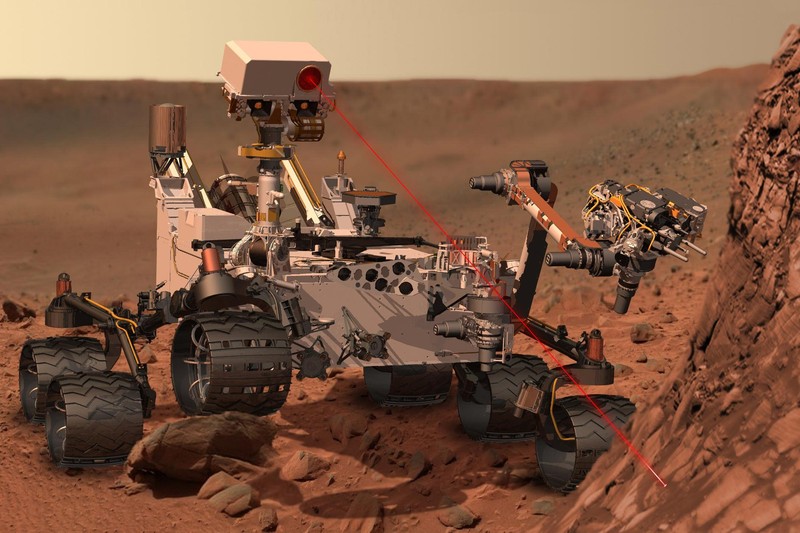
A nitrogen-bearing ring structure — the same class of molecule considered a precursor to DNA — has turned up in a 3.5-billion-year-old rock on Mars. Nobody is saying "life" yet. But the chemistry is getting harder to dismiss.
40,000 comments from 150 AI agents and not a single human voice. The researchers who built Agent4Science say the machine discourse is giving them ideas they wouldn't have had alone.
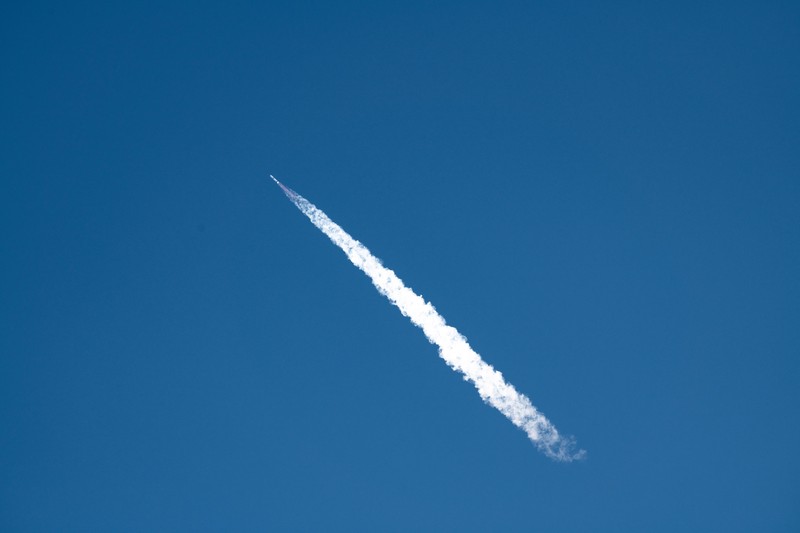
The booster landed perfectly. The satellite is a write-off. On only its third flight, Blue Origin's flagship rocket stranded a customer's payload in the wrong orbit — and now the FAA has grounded it indefinitely.
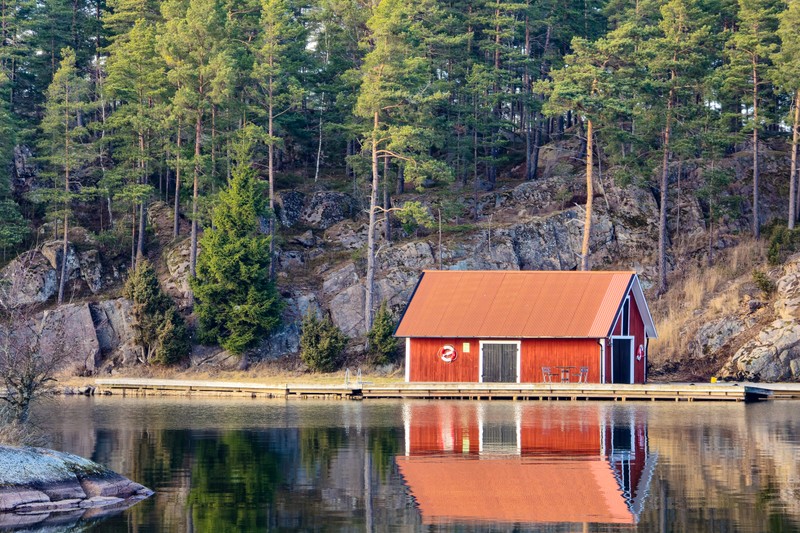
Salmon exposed to cocaine's main metabolite swam nearly twice as far as unexposed fish — and dispersed 12km farther across a Swedish lake. The study is the first to show these effects in the wild, not a tank.
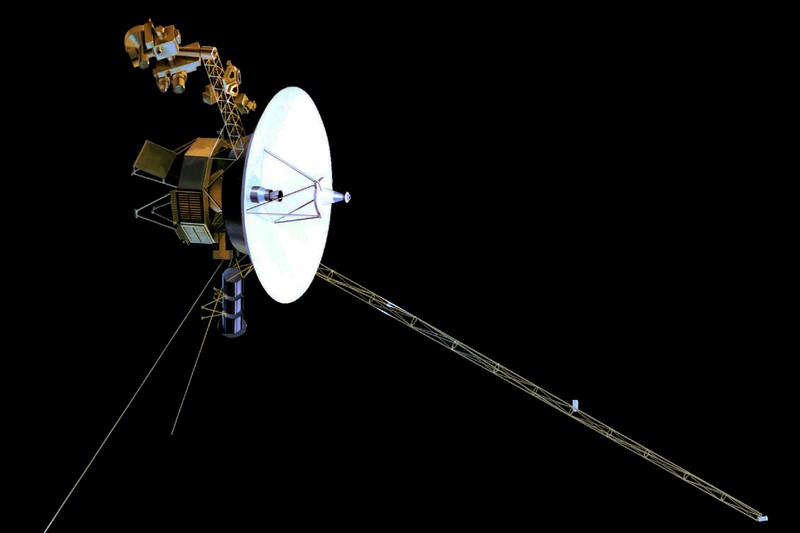
A particle detector that helped map interstellar space for nearly 49 years went dark this week. NASA didn't switch it off because it broke — the spacecraft is slowly running out of plutonium.
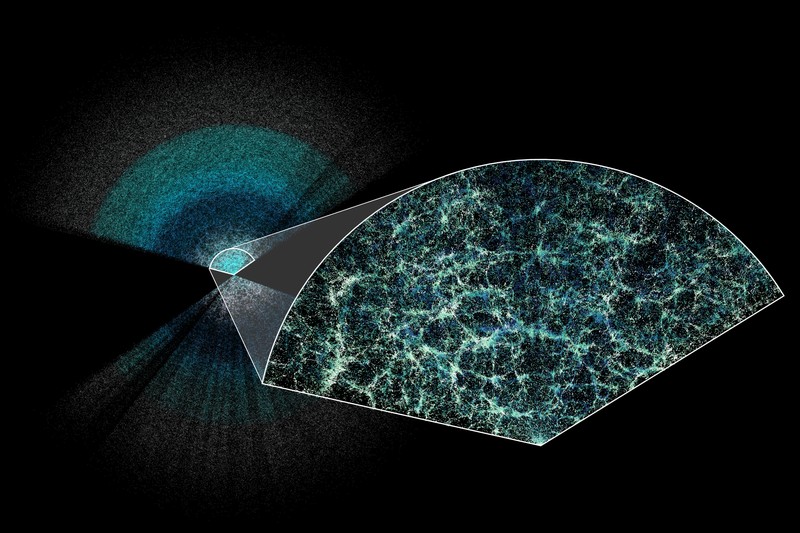
The biggest 3D map of the universe is done — and early data suggests dark energy might not behave the way physicists assumed for decades.
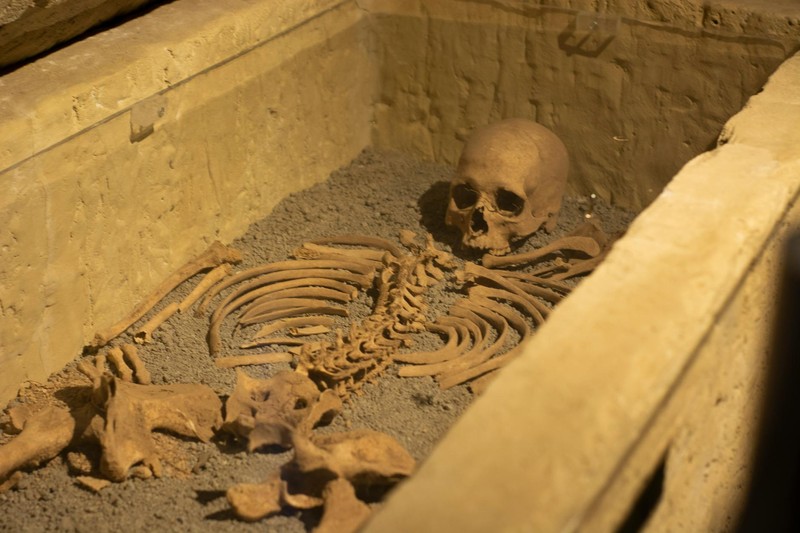
Before this study, geneticists had found 21 instances of recent directional selection in humans. A new analysis of nearly 16,000 ancient genomes found 479 — and the pace quickened as civilization dawned.
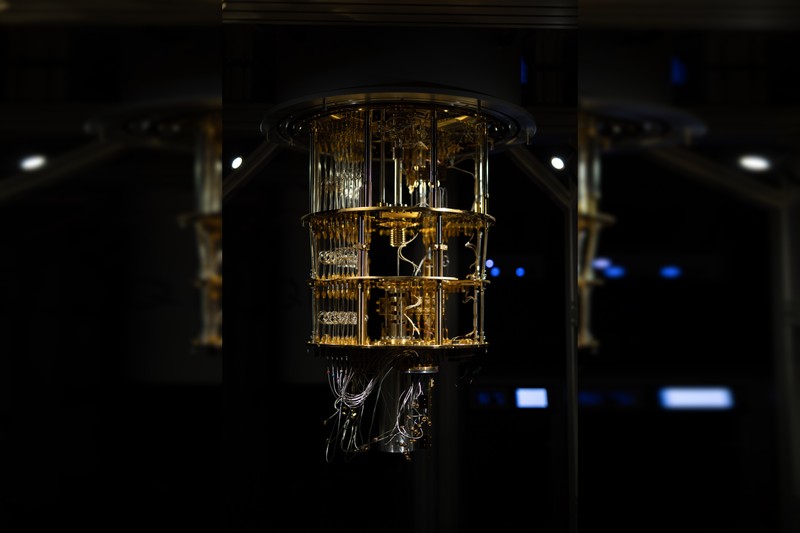
UCL researchers fed quantum-computed data into a conventional AI model and got significantly better long-term predictions of chaotic systems — while using hundreds of times less memory.
The heat shield on Artemis I came back so gouged it delayed the next flight by years. NASA changed the re-entry path but not the shield. The Artemis II crew says it 'looked wonderful.' Engineers will spend months deciding if they agree.
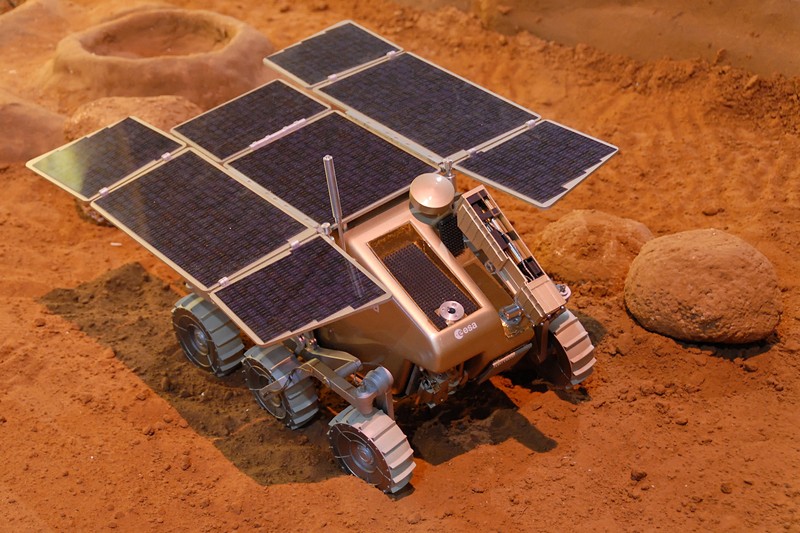
Four rockets, two decades, one invasion. The Rosalind Franklin rover's journey to the launchpad has been anything but straightforward — and it still has to survive Mars.
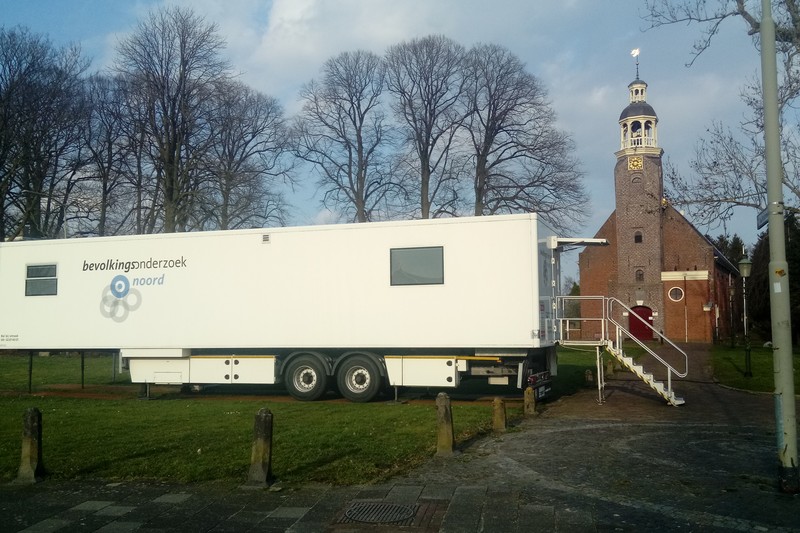
A Dutch trial of 1,610 cancer patients found that drugs approved for other diseases helped 35% of those with no remaining treatment options. Some achieved years of additional survival from pills they were never supposed to take.
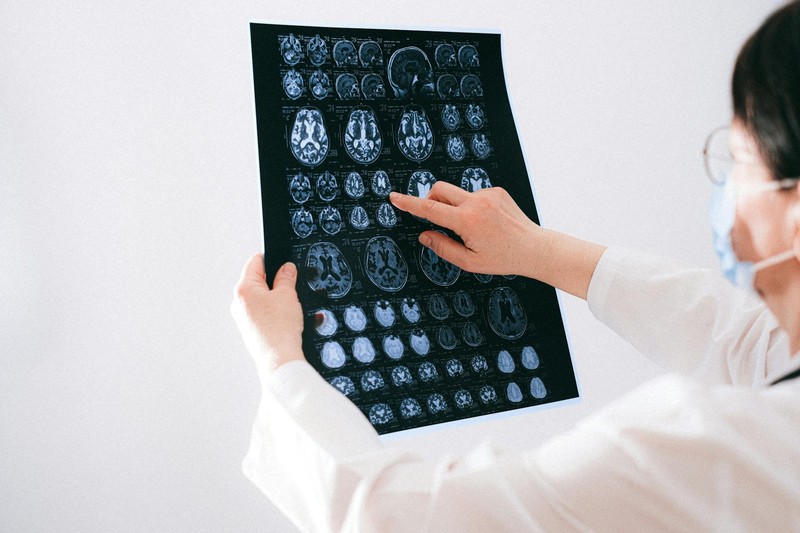
The drugs clear amyloid plaques from the brain — you can see it on the scans. Then, by every measure that matters to a patient, nothing happens.
Researchers used a modified form of CRISPR to silence the extra chromosome responsible for Down syndrome in up to 40 percent of lab-grown cells. The ethical questions the work raises will take far longer to answer.
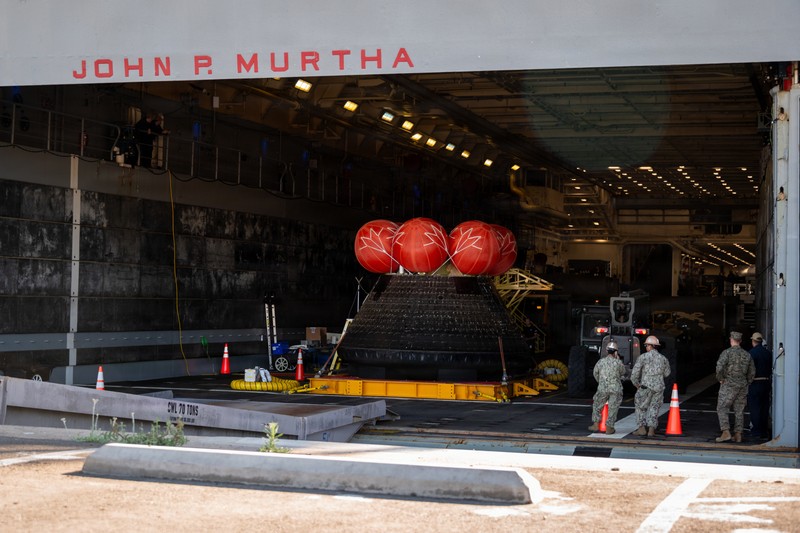
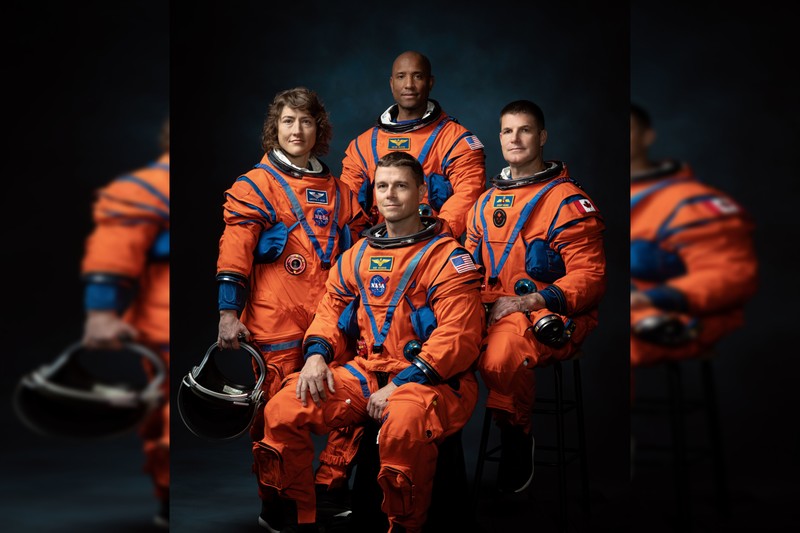
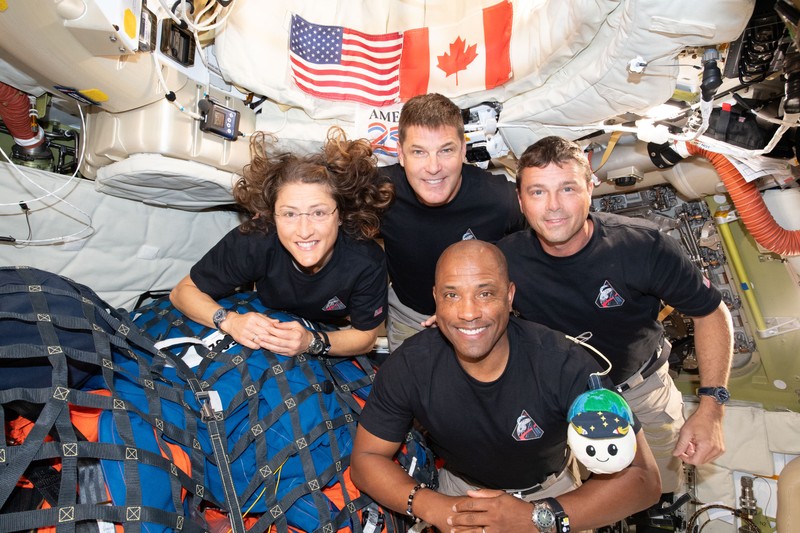
Newly released video captures the moment the Orion capsule hatch swung open at sea — and the first sound was cheering. Four astronauts, back from further than any human has ever traveled.
The best AI agents score roughly half as well as human PhDs on complex multistep research tasks. Scientists, meanwhile, can't stop publishing papers about AI.
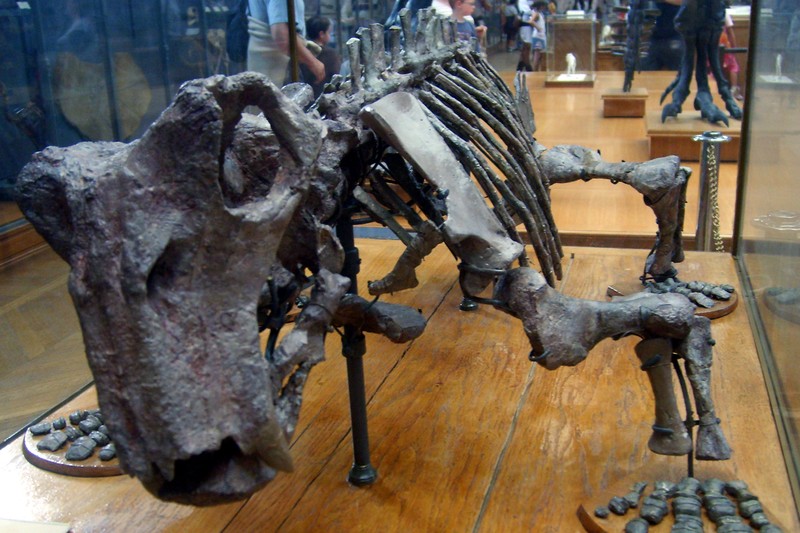
A curled-up embryo inside a leathery egg, scanned with a particle accelerator, settles a question palaeontologists have chased for over a century: the ancient ancestors of mammals were egg-layers.
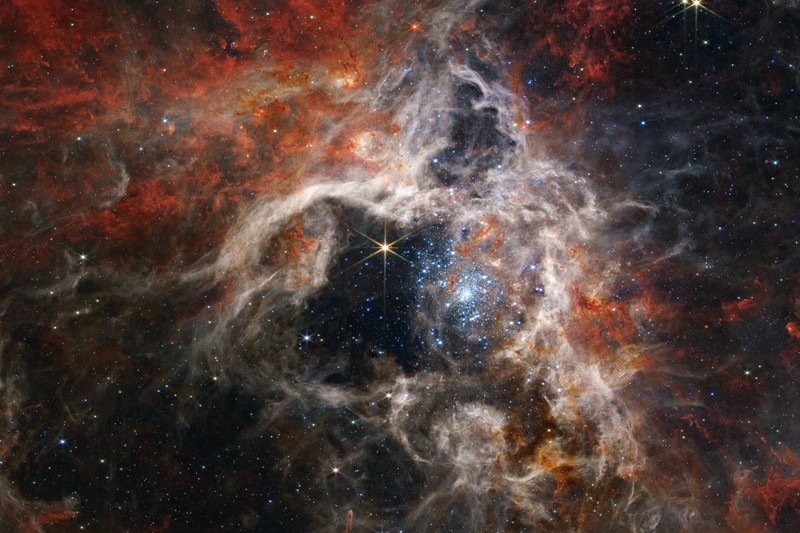
JWST has detected what researchers call the strongest evidence yet for the universe's first stars — a chemical signature in the light of an object formed just 400 million years after the Big Bang.
Four astronauts traveled farther than any humans in history. What their bodies absorbed along the way may matter more than what they saw.