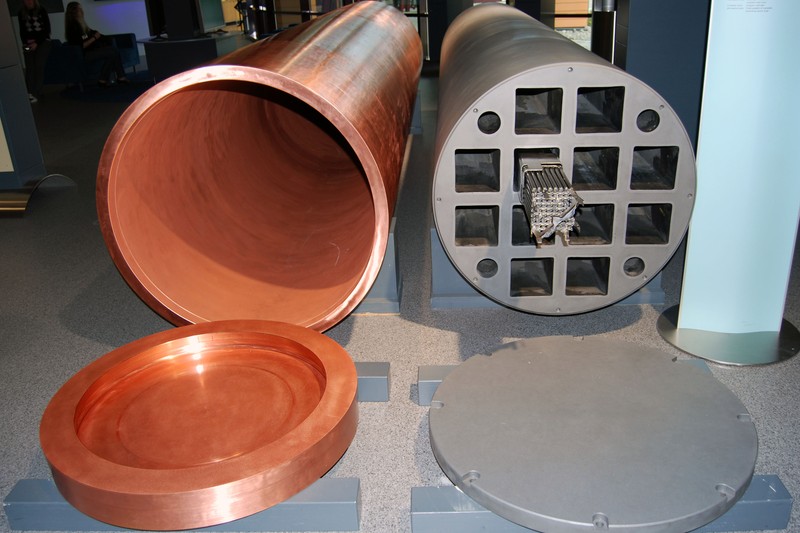
Finland Buries the Nuclear Industry's Oldest Problem
For 70 years, every nuclear nation has stored its waste above ground and hoped for the best. Finland just finished building the tomb it promises to keep it in for the next 100,000 years.
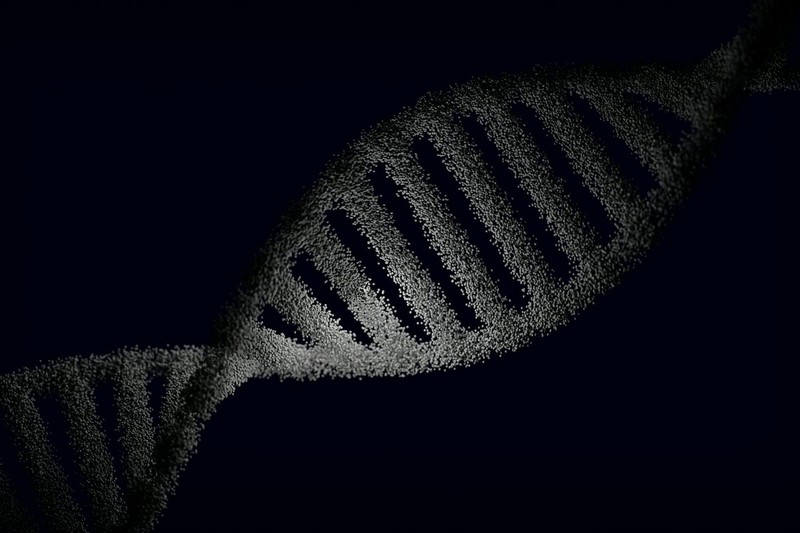
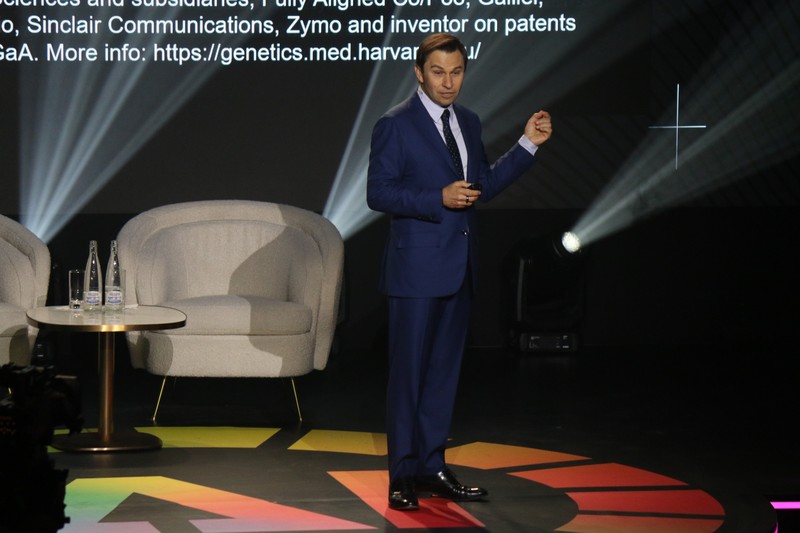
A single DNA letter — one out of 2.8 billion — was enough to override chromosomal sex in mice. The mutation didn't touch a gene. It edited the instructions for reading one.
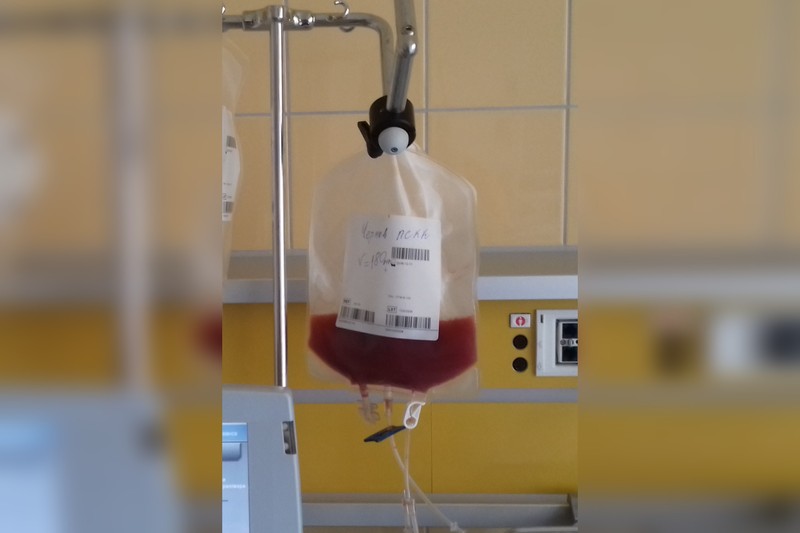
Five patients with a lifelong blood disorder received a single infusion of gene-edited cells. All of them stopped needing transfusions within weeks — and stayed transfusion-free for nearly two years.
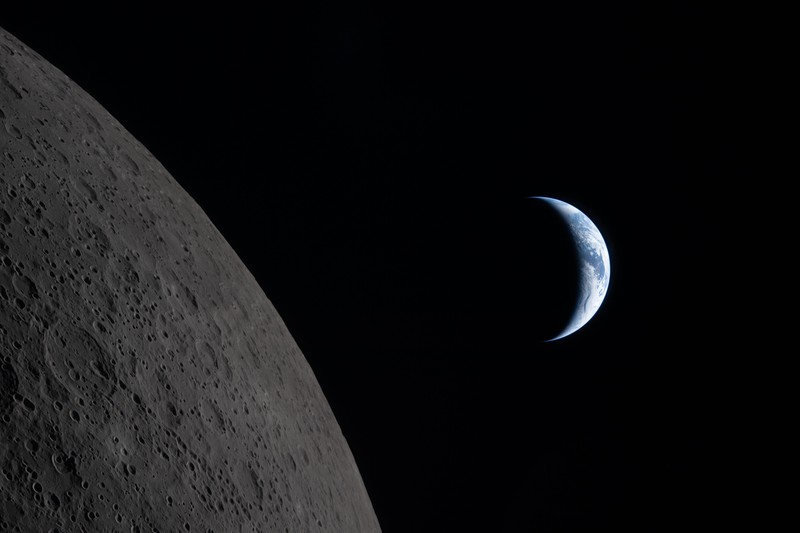
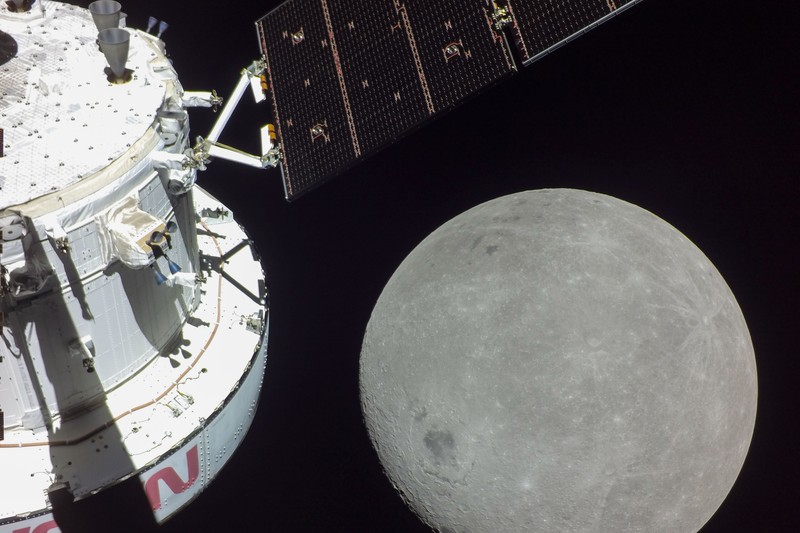
Two crews — one heading home from the Moon, one orbiting Earth — held a radio conversation across 230,000 miles, the first linkup between a moonship and a crewed spacecraft. The call came a day after Artemis II broke Apollo 13's distance record on a lunar flyby.
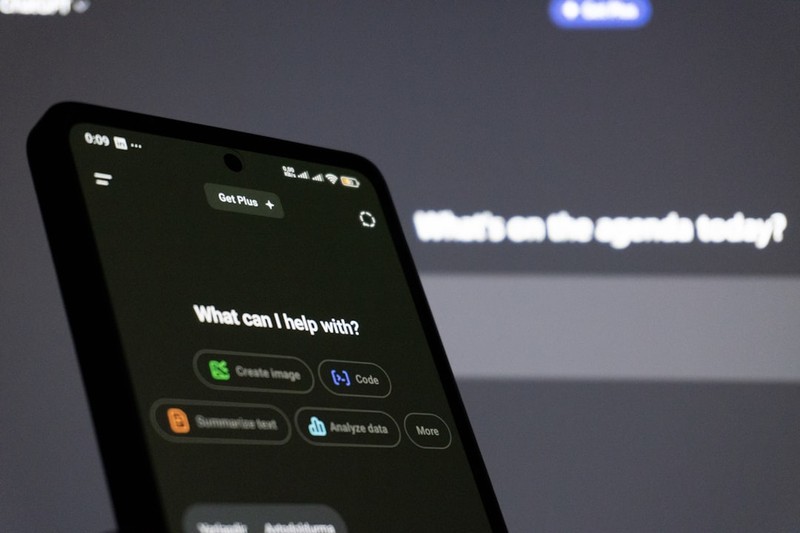
The fake papers thanked Starfleet Academy and the Sideshow Bob Foundation. The chatbots didn't notice — and neither did a peer-reviewed journal.
For the first time, a clinical trial will attempt to rewind aged human cells to a younger state. The treatment targets vision loss — but the question it asks could reshape what medicine thinks about aging.
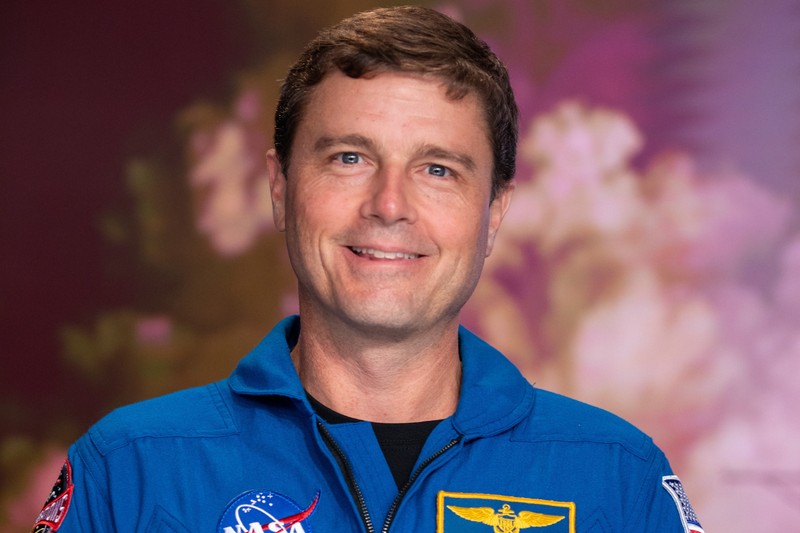
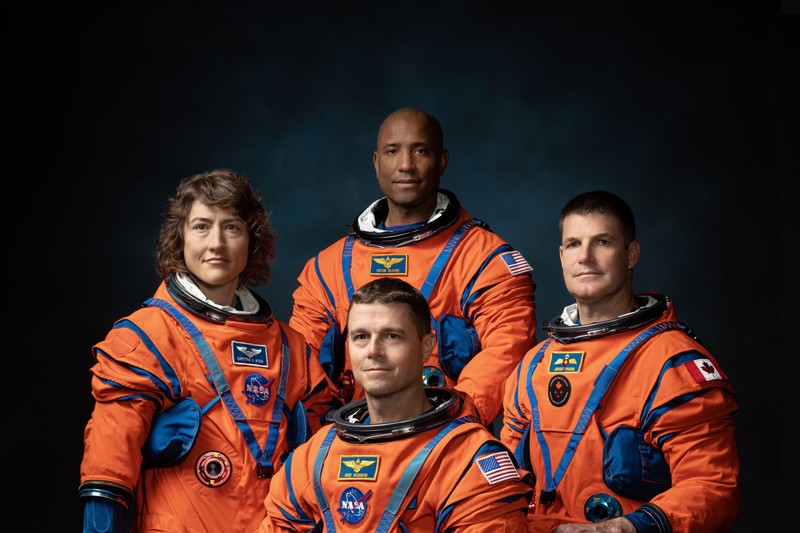
The Artemis II crew named a lunar crater after commander Reid Wiseman's late wife on Monday — the same day they became the farthest humans from Earth in history and watched an hour-long solar eclipse from beyond the Moon.
No human has been this close to the Moon since 1972. The Artemis II crew is on track to travel farther from Earth than anyone in history — and nobody has agreed on the rules for what we leave behind.
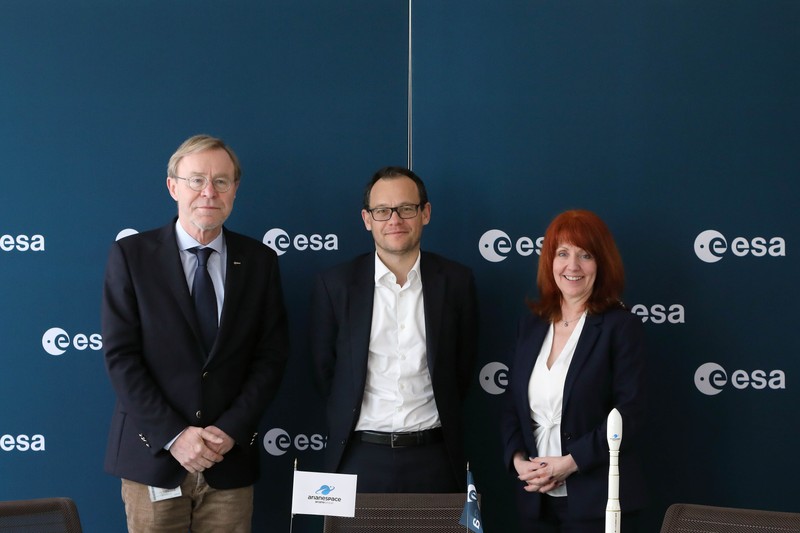
A European rocket will carry a Chinese-built spacecraft into orbit this week — the first full-scale space science partnership between Beijing and Brussels. The mission: watch the Sun try to destroy Earth's electronics, and learn to predict when it will happen.
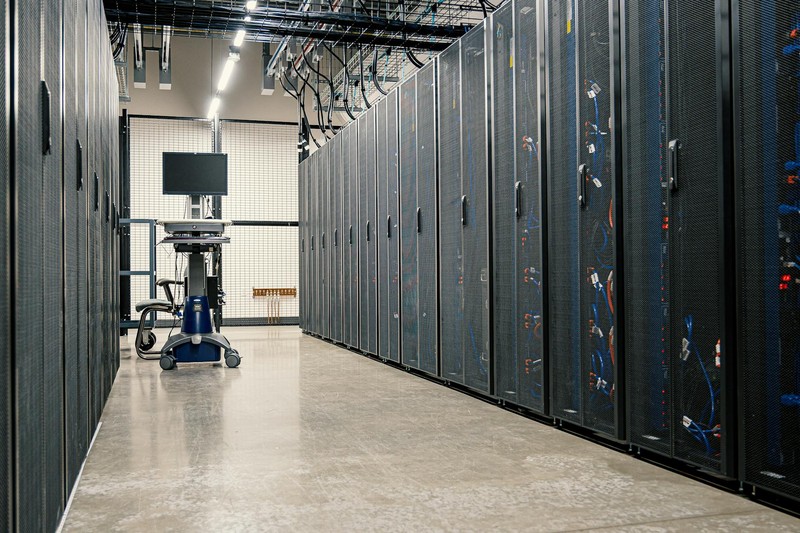
An Australian startup has 120 shoebox-sized units processing data with living neurons in a Melbourne facility. The cells need nutrients to survive.
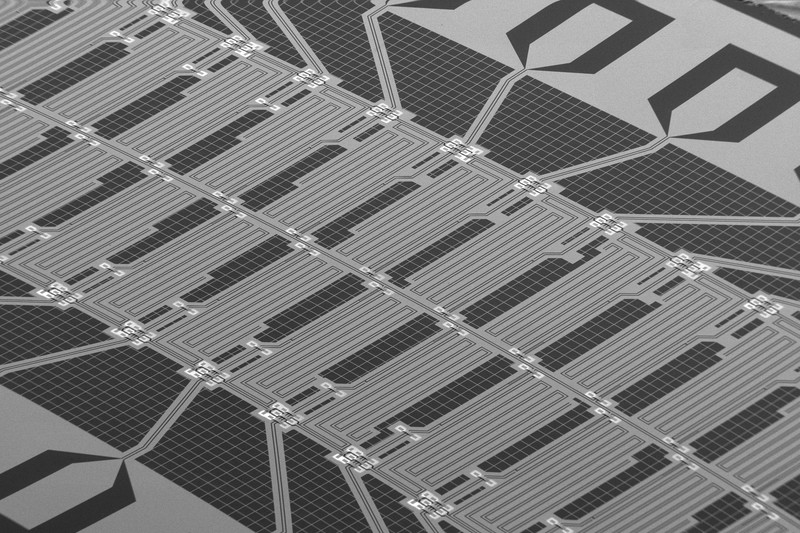
A quantum processor built from nine atomic nuclei inside a single molecule outperformed classical neural networks with thousands of nodes at predicting real weather. Nobody needed a perfect quantum computer to do it.
Commander Reid Wiseman's first call from Orion wasn't about the Moon — it was about Outlook crashing. The photos came later, and they were worth the wait.
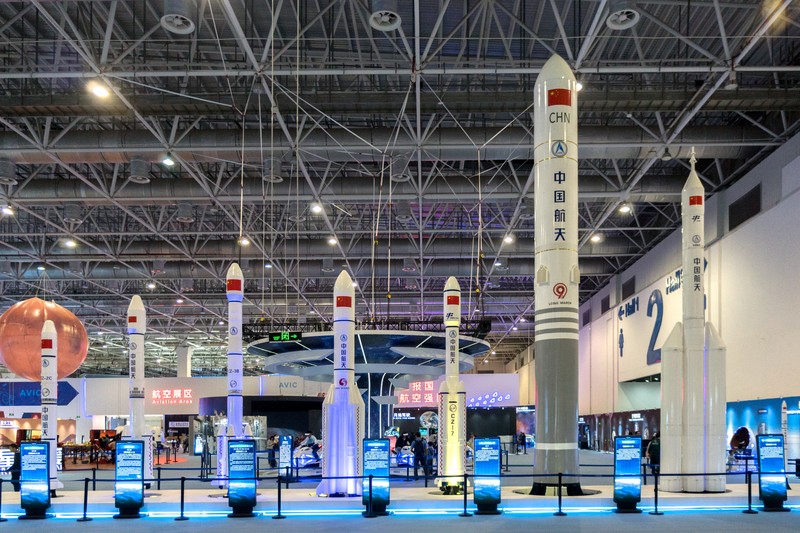
Artemis II just completed the first crewed lunar flyby in 50 years. China's hardware for a 2030 Moon landing is already being tested — and Beijing has a habit of hitting its deadlines.
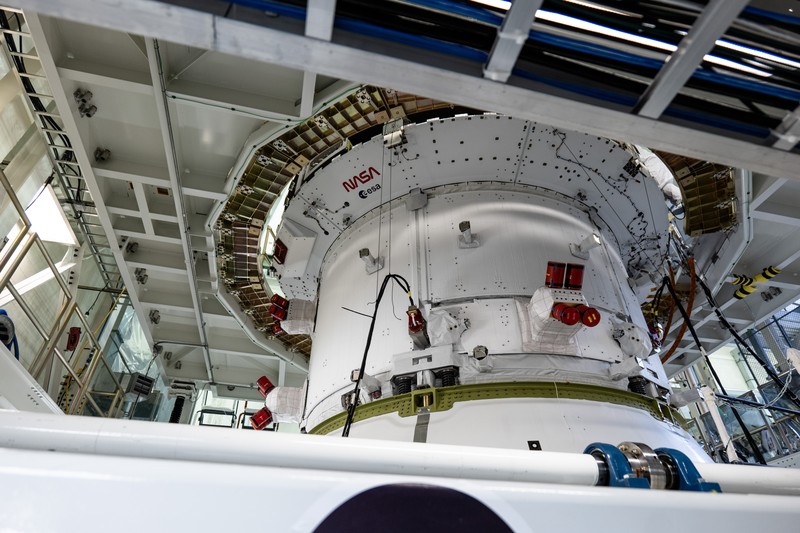
A five-minute engine burn just committed four astronauts to a lunar flyby — the first time humans have aimed for the moon since 1972. "We do not leave Earth," one said. "We choose it."
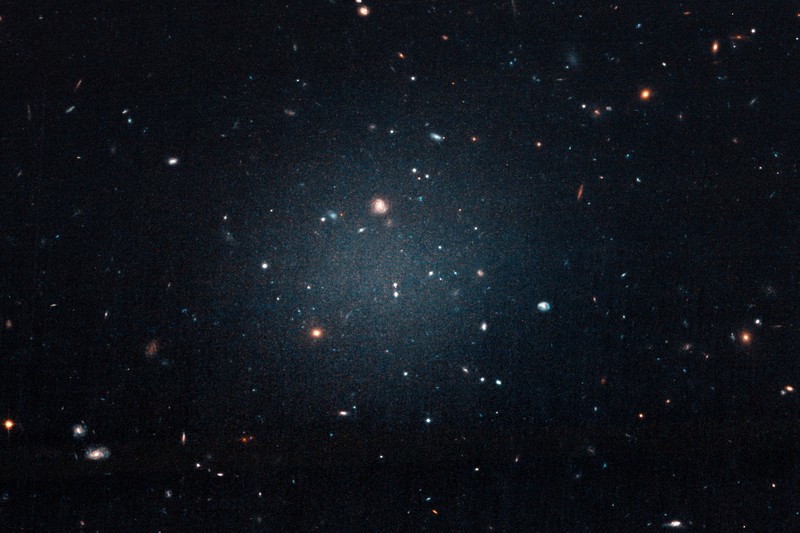
NGC 1052-DF9 is the third known galaxy apparently devoid of dark matter. Three is no longer a fluke — it's a pattern that has a violent cosmic collision theory looking very plausible.
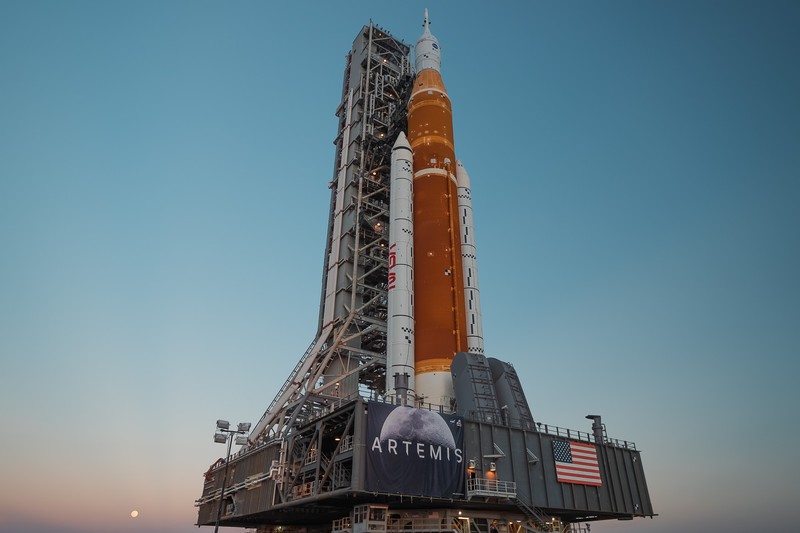
Four astronauts are on their way to the moon for the first time since 1972. The rocket that carried them costs as much as $4 billion per launch, and Congress may not keep paying for it.
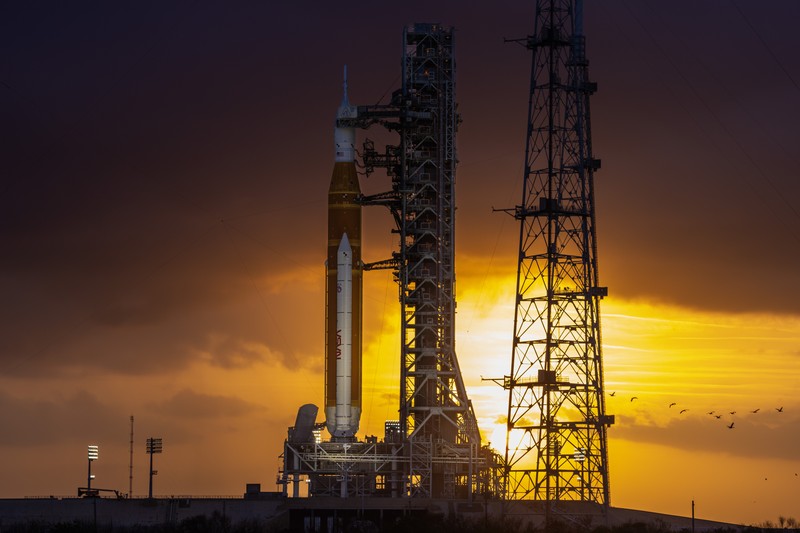
More than 700,000 gallons of super-cold propellant are loaded into a 32-story rocket at Cape Canaveral. By evening, four astronauts — including the first woman and first person of color to leave Earth orbit — will be on their way to the moon.
A Nature analysis estimates more than 110,000 papers from 2025 contain references fabricated by AI. Each fake citation that enters a database risks being cited by real research, compounding the contamination.
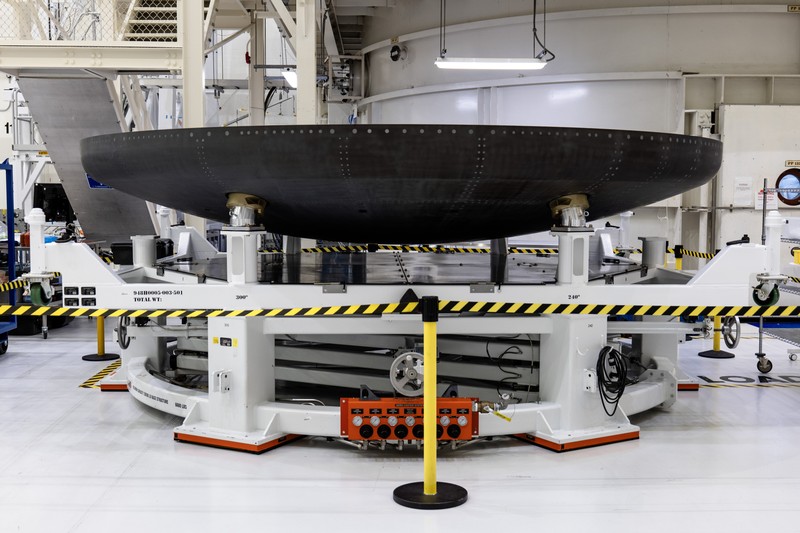
Over 100 cracks in the heat shield. Three melted separation bolts. NASA's response: full confidence and an April 1 launch date.
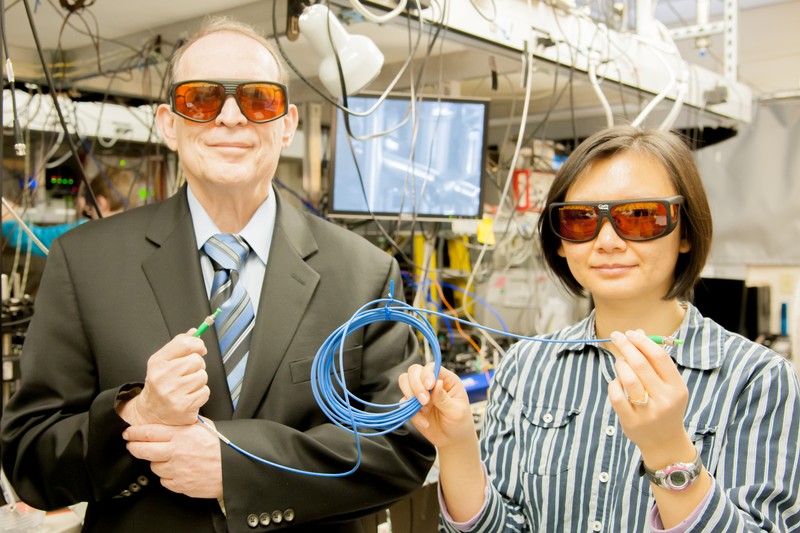
Two independent teams matched quantum-computer predictions against real experimental data from magnetic materials — the first time quantum simulations have been validated this way. The benchmark was not a classical supercomputer. It was nature.