 lop News
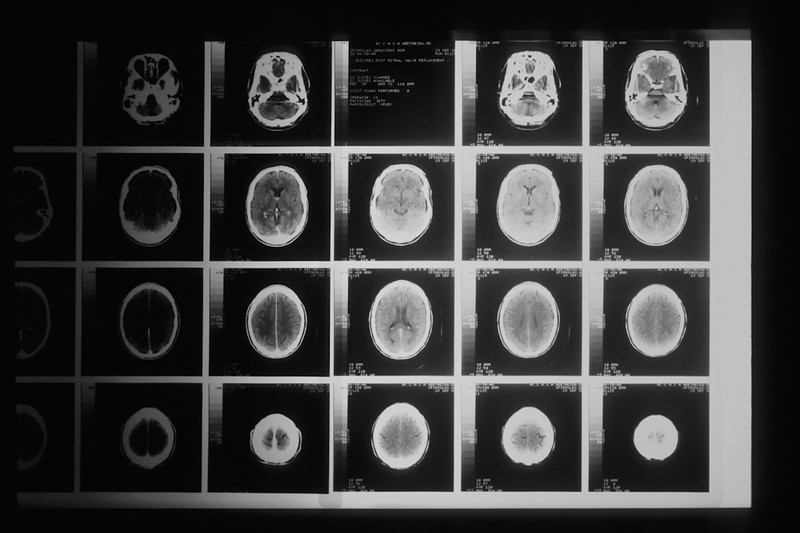
Something is getting through that shouldn’t. The blood-brain barrier — a tightly regulated wall of endothelial cells that keeps most foreign substances out of the central nervous system — appears to be failing where it matters most. A study published today in Nature Health found micro- and nanoplastics in 99.4% of brain tissue samples taken from around tumours, at concentrations significantly higher than in healthy brain tissue.
The numbers are striking in their universality, if not yet their precision. Researchers analysed 191 samples collected across China: 156 from 113 patients with brain tumours and 35 healthy samples from five post-mortem donors. Micro- and nanoplastics showed up in every single healthy brain and all but one diseased sample. Healthy tissue averaged 50.3 micrograms of plastic per gram — roughly 50 parts per million. For context, that figure is nearly 100 times lower than a contested earlier study published in Nature Medicine last year, which reported median concentrations of 3,345 to 4,917 micrograms per gram in frontal cortex samples. The gap between those numbers tells you something about where this field currently stands: the tools are still being calibrated.
The Barrier Question
The study’s central finding isn’t just that plastic is in the brain — it’s where it concentrates. Peritumoural tissue, the brain matter directly surrounding tumours, contained significantly higher MNP levels than healthy tissue. The blood-brain barrier near tumours is known to be compromised; the leading explanation is that this breakdown opens a physical door for particles that would otherwise be filtered out.
A Correlation in Search of a Mechanism
The researchers also found a positive correlation between microplastic surface area and the rate of tumour proliferation. More plastic, faster-growing tumours. But directionality remains unresolved.
Do microplastics accelerate tumour growth — through documented mechanisms like oxidative stress, mitochondrial dysfunction, and chronic neuroinflammation? Or do aggressive tumours simply destroy more of the barrier, passively accumulating whatever circulates in the bloodstream? Neuro-oncology experts not involved in the study lean toward the second explanation. The authors acknowledge as much, noting the need for further research to establish causal links.
Runting Li, the neurosurgeon who led the work, was candid about the limits. “Without mechanistic support, detection alone may lead to unnecessary public concern,” Li wrote in a companion post. The team has launched a follow-up clinical trial, the CLEAN study, to investigate environmental exposure and neurological health more systematically.
The Measurement Problem
Expert reaction has split along methodological lines. Dr Martin Wagner, who heads the bioanalytical toxicology lab at the Norwegian University of Science and Technology, called the new measurements significantly more dependable than prior estimates, citing the study’s dual-method approach. But Dr Dieter Fischer of the Leibniz Institute of Polymer Research in Dresden warned that the imaging techniques likely produced false positives — human proteins mistaken for polyamide, human fats read as polyethylene — and flagged laboratory contamination as a probable confounder.
Both critiques have merit. The researchers’ own supplementary data revealed that standard surgical equipment — plastic syringes, intravenous sets — sheds more than 30,000 microplastic particles per operation, directly into patients’ bloodstreams. Distinguishing environmental exposure from surgical contamination is exactly the kind of problem this field has not yet solved.
What’s harder to dismiss is the trajectory. Last year’s Nature Medicine study found that brain microplastic concentrations increased roughly 50% between 2016 and 2024, with polyethylene — the world’s most produced plastic — accounting for about 75% of what was found. The US Department of Health and Human Services has committed $144 million to developing clinical tests for measuring and removing microplastics from the body. Internationally, negotiations toward a binding plastic pollution treaty continue to inch forward.
This is incremental science — a single study with acknowledged limitations, published in a field still building its methodological foundations. But if the blood-brain barrier is no longer keeping plastic out, the follow-up question answers itself: what else is getting through?
Sources
- Microplastics and nanoplastics in brain tumours and the healthy human brain — Nature Health
- Microplastics: Brain Study Confirms Health Risks, Challenges Kennedy’s Claims — Health Policy Watch
- Bioaccumulation of microplastics in decedent human brains — Nature Medicine