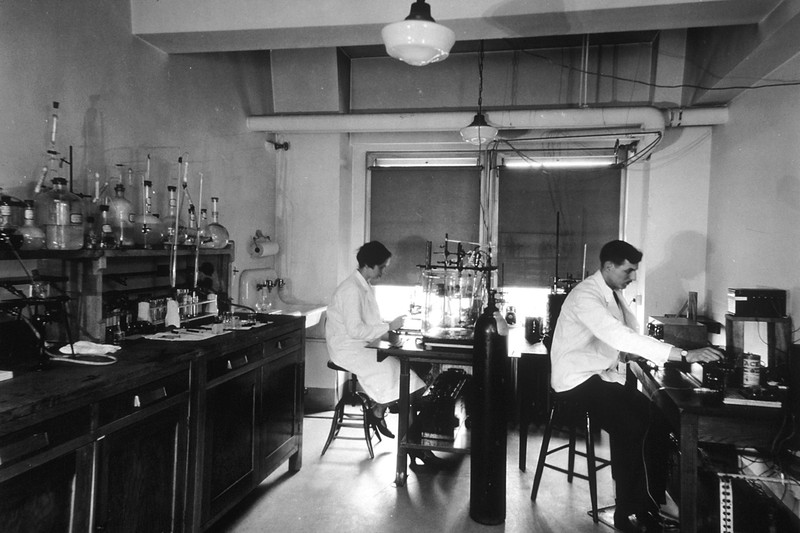
Erdős Was Wrong — and It Took an AI to Prove It
For 80 years, mathematicians assumed Erdős was right about the unit distance problem. An AI model proved them all wrong — using tools from a field most of them never worked in.
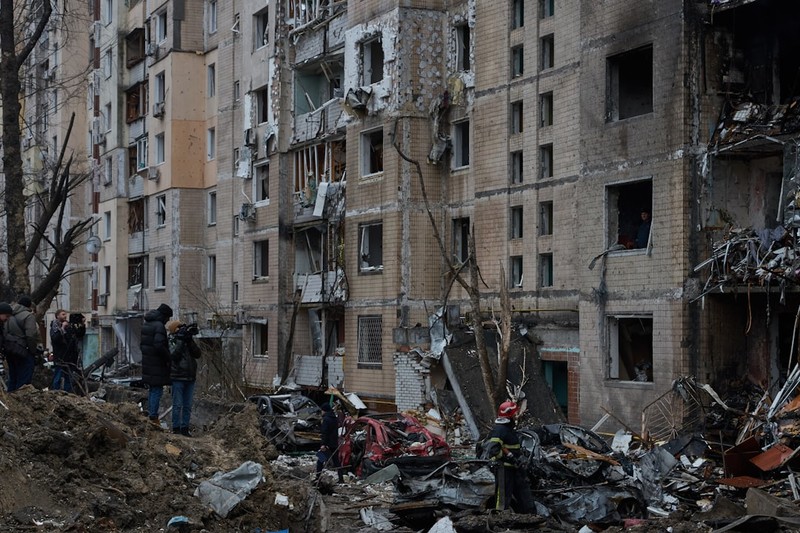
The overnight assault hit four cities at once, killing at least nine and injuring more than 100. Moscow had publicly announced it was coming — and then did exactly what it promised.
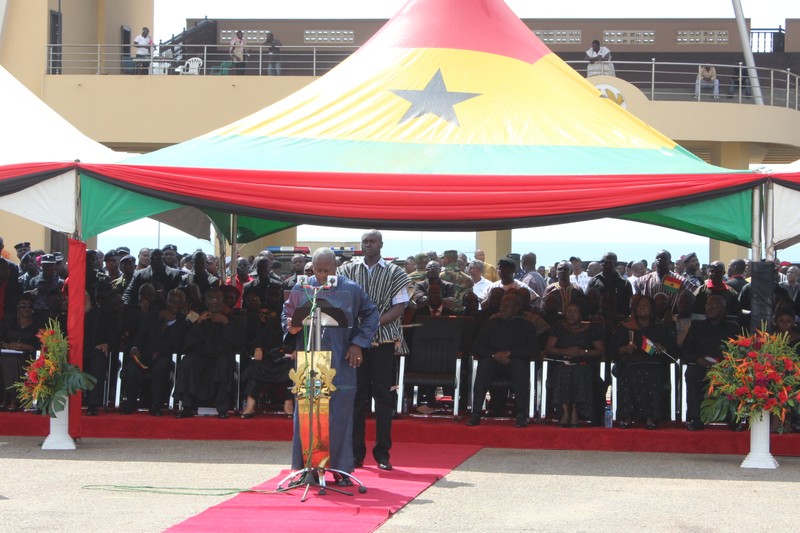
The bill passed with just 32 of 276 MPs present. Across Ghana, LGBTQ+ people are already deleting their digital lives and asking how to flee the country.
Trump announced a breakthrough. Hezbollah hasn't confirmed it. Within minutes of his post, Israel detected incoming missiles and warned civilians to take cover.
The bombs fall. The peace deal gets revised. Both are happening, and neither stops the other — because the systems were never designed to resolve contradictions, only to sustain them.
A personalized mRNA vaccine cut melanoma recurrence risk by nearly half over five years when combined with immunotherapy. The technology behind COVID shots may be even better suited to fighting cancer.
Jangmi spawned inside a vast, slow-spinning monsoonal gyre over the Philippine Sea — a formation pattern that gives storms broad wind fields and heavy rain without the compact eye of a typical typhoon.
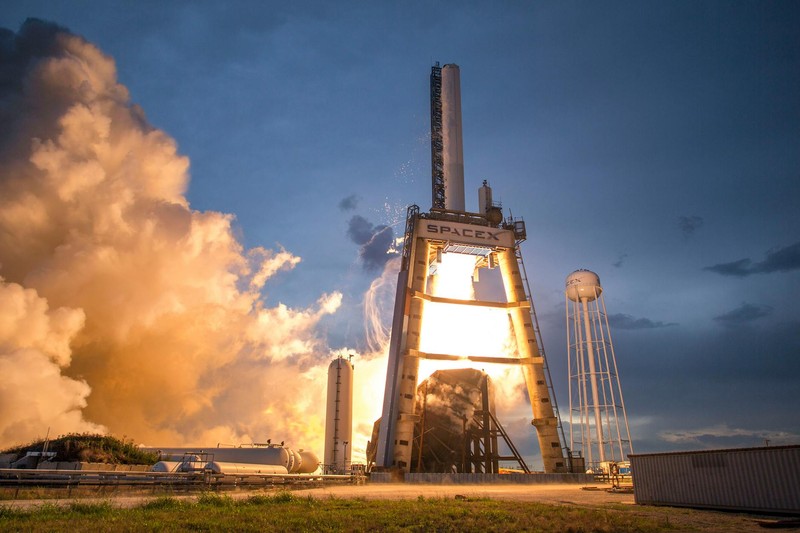
Buried in SpaceX's amended IPO filing is a warning about water access for data center cooling — and a share structure that hands one person absolute control over the company's future.
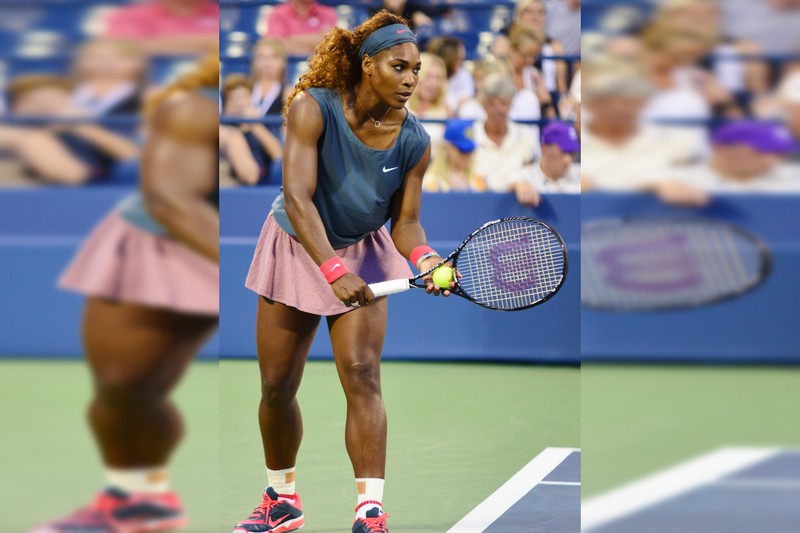
Six months after insisting she was "NOT coming back," Serena Williams is coming back. The 44-year-old, mother of two, will play doubles at Queen's Club next week — her first competitive match in nearly four years.
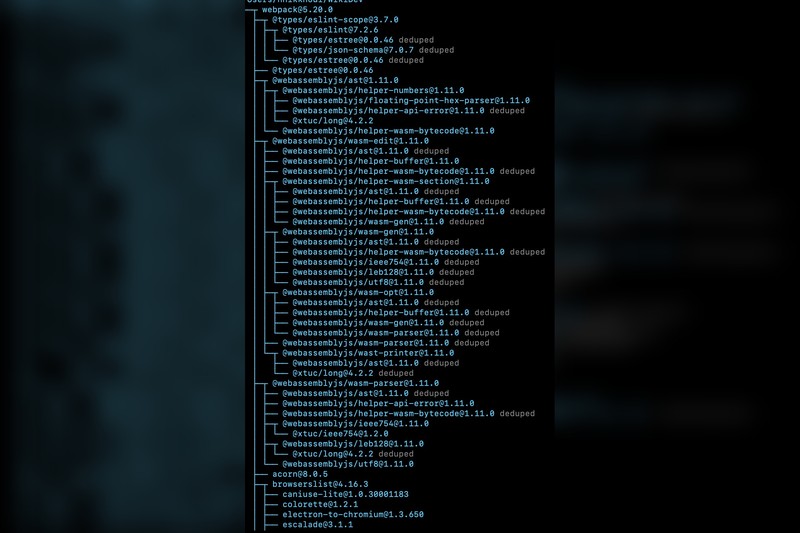
A compromised Red Hat GitHub account was used to lace 32 official packages with a credential-stealing worm. Roughly 80,000 downloads per week — and the malware targets developer workstations for persistent access.
The first drug to disable all three RAS proteins — long considered impossible to target — nearly doubled survival in advanced pancreatic cancer, from 6.7 months to 13.2 months.
Berkshire Hathaway is putting $10 billion into Alphabet's $80 billion stock sale — a stunning departure for a conglomerate that built its reputation on railroads and insurance, not compute infrastructure.
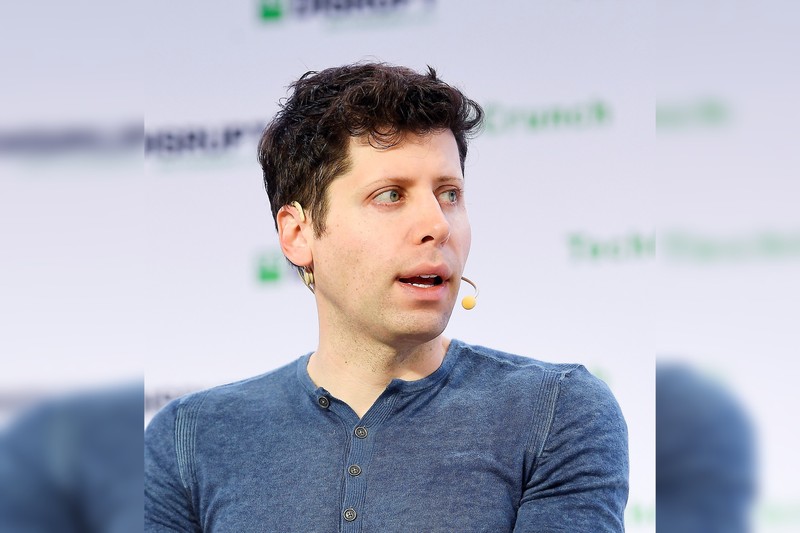
Florida's attorney general is trying to pierce the corporate veil and hold Sam Altman directly responsible for what ChatGPT has done. If he succeeds, every AI CEO is in the crosshairs.
Nvidia's RTX Spark puts a Grace CPU and Blackwell GPU on a single chip for Windows PCs, with Dell, HP, and Lenovo already building hardware. The x86 stronghold has its first real challenger in two decades.
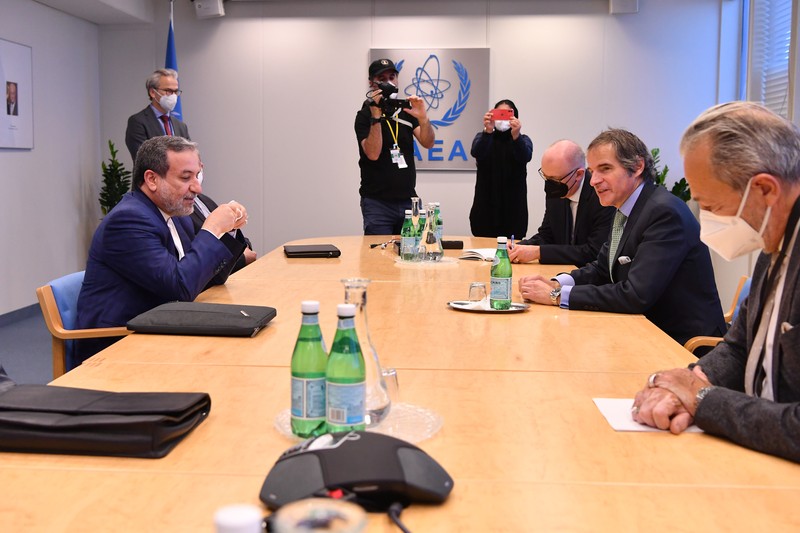
Iran's diplomats have stopped answering Washington entirely. What replaced the back channel was a plan to seal the Strait of Hormuz completely and open a second chokepoint at the mouth of the Red Sea.
At $965 billion, Anthropic's valuation already exceeds OpenAI's. Its confidential S-1 filing sets up the largest AI public listing ever — and the first real test of whether safety commitments survive quarterly earnings calls.
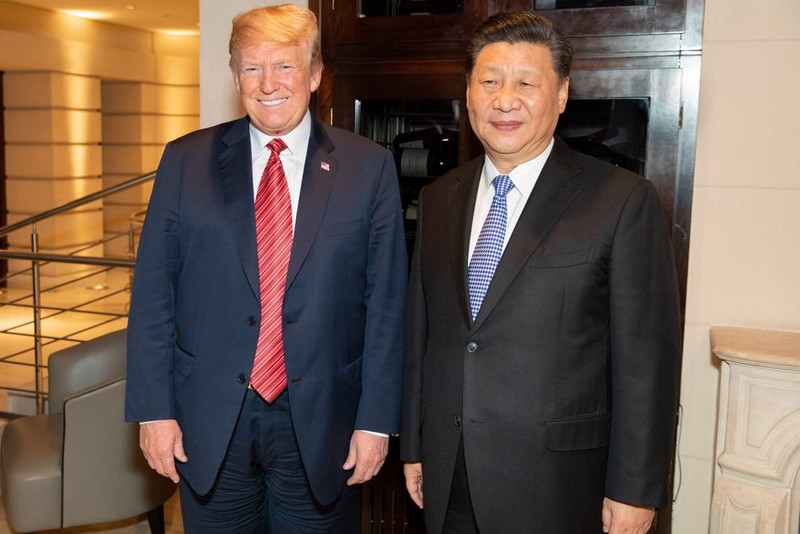
The US president personally asked Xi Jinping to bring Putin back to the negotiating table — outsourcing the war's resolution to the country Washington is simultaneously trying to contain on chips, trade, and the South China Sea.
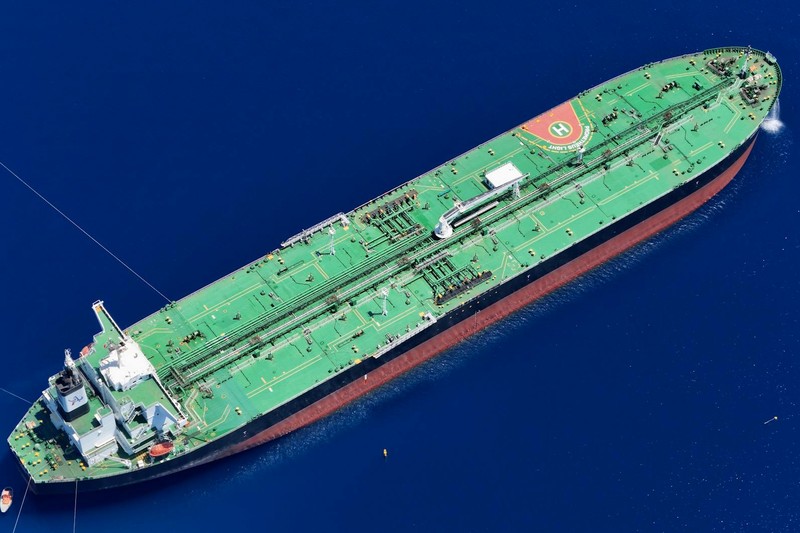
Brent crude fell 11 percent in a week on Hormuz reopening hopes. But three months of blockade have depleted reserves, damaged LNG infrastructure, and forced rationing across Asia — and the recovery won't arrive with a ceasefire.
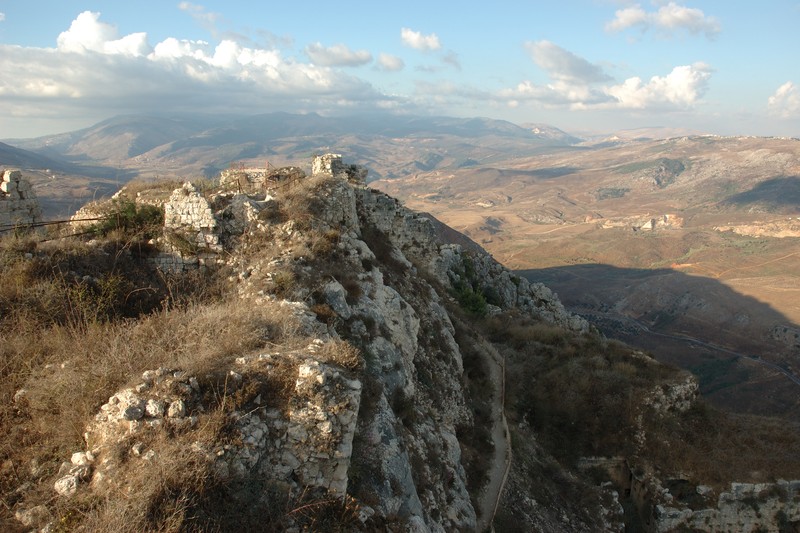
An Israeli flag now flies over a 900-year-old Crusader castle in southern Lebanon. In Beirut, Netanyahu has ordered new strikes on Hezbollah's stronghold. The April ceasefire exists in name only.