 lop News
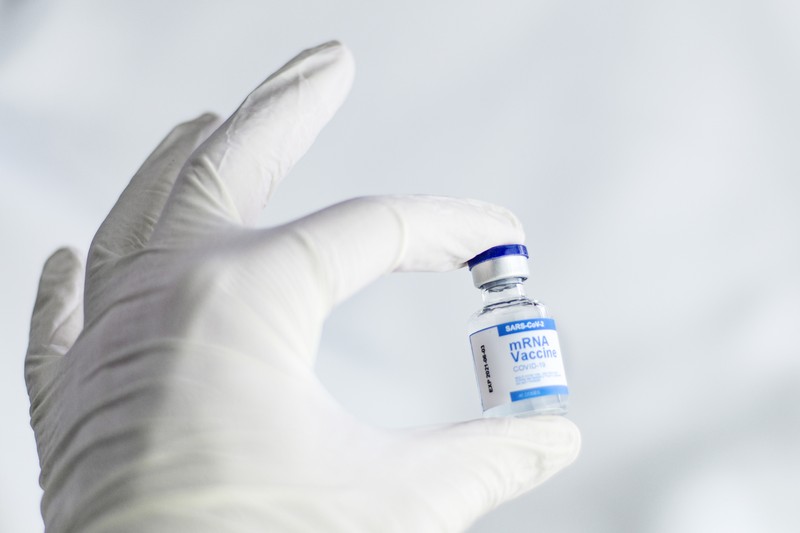
The technology billions encountered through COVID shots is building a second act — and this one may matter even more.
Five-year results from a clinical trial, published in the Journal of Clinical Oncology and presented at the American Society of Clinical Oncology conference, show that a personalized mRNA vaccine combined with the immunotherapy drug Keytruda dramatically reduced melanoma recurrence. Nearly 69% of patients receiving the combination remained cancer-free after five years, compared with roughly 49% on Keytruda alone — a 49% reduction in the risk of recurrence or death, according to data from the Phase 2b KEYNOTE-942 trial.
The survival numbers are starker still: 92% of combination-therapy patients were alive at five years, versus 71% receiving Keytruda alone.
The approach is fundamentally different from COVID vaccination. Each dose is built from the patient’s own tumor. Scientists sequence the cancer, identify up to 34 unique molecular fingerprints called neoantigens, and encode them into a custom mRNA vaccine. The immunotherapy lifts the shield cancer uses to hide from immune cells; the vaccine then trains those cells to recognize the patient’s specific tumor.
Dr. Janice Mehnert, a melanoma specialist at NYU Langone Health and the study’s senior author, called the approach a “personalized immunotherapy strategy” tailored to each patient’s cancer.
The trial enrolled 157 patients across the US and Australia. Side effects were manageable — fatigue, chills, injection-site pain.
A Phase 3 trial with nearly 1,000 patients is fully enrolled. Moderna, which developed the vaccine (intismeran), and Merck, which makes Keytruda, plan to seek FDA approval once those results are analyzed. Eight clinical trials are now underway testing the platform across lung, bladder, and kidney cancers.
Connie Franciosi, 80, a trial participant, has been cancer-free since her treatment. “Life is good,” she told NPR.
Discussion (6)