Indonesia Blocks Social Media for 70 Million Under-16s
Indonesia became the first non-Western country to ban under-16s from YouTube, TikTok, Instagram, and five other platforms. Nobody has explained how it will verify anyone's age.
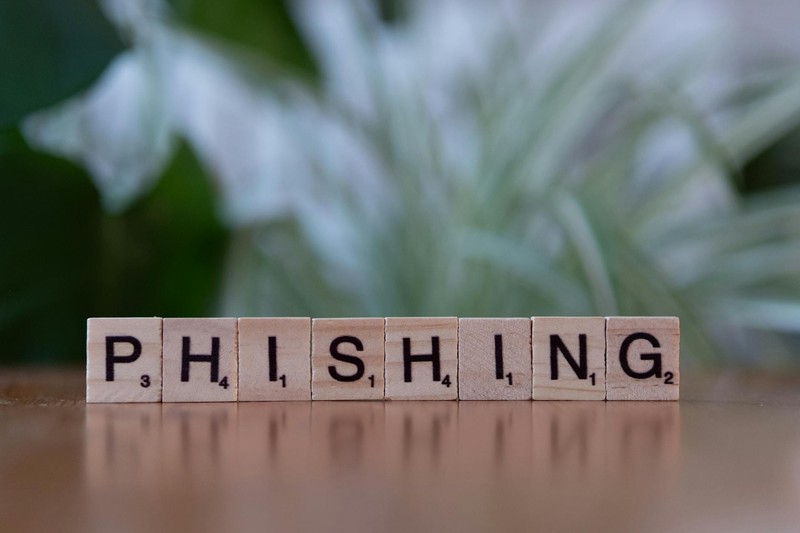
A Texas company promised millions of crime tipsters their identities were safe. Hackers just published 93GB of data — including names, addresses, and Social Security numbers — stored in plain text.
The vote was 40 to 2. But the new policy warns that some human editors write like machines — and catching AI text from style alone is explicitly discouraged.
A threat actor claims to have stolen over 350GB of data from the EU executive body's Amazon cloud environment — including employee databases and email server access. The Commission confirms the breach but says internal systems remain untouched.
The head of America's top law enforcement agency was using personal Gmail. Iranian hackers found it. Now they're publishing what they found — and it's part of a much bigger digital offensive.
A misconfigured CMS exposed details of Anthropic's 'most powerful model ever' — one the company warns could supercharge cyberattacks. Cybersecurity stocks tanked. The irony writes itself.
The AI czar who tried to ban every state AI law in America has been moved to an advisory council. Silicon Valley just lost its direct line to the Oval Office.
The Pentagon designated an American AI company as a 'supply chain risk'—a label usually reserved for foreign adversaries. A federal judge just said that looks a lot like punishment for protected speech.
Apple will let users route Siri queries to Claude, Gemini, and other rival AI services—breaking OpenAI's exclusive grip. The shift marks the biggest change to Siri's strategy since its 2011 debut.
A UK startup just fired plasma inside a fusion rocket engine for the first time. If the technology scales, Mars trips could shrink from months to weeks — and the outer planets become reachable.
The European Parliament has rejected the extension of a program that allowed untargeted scanning of private messages. Encrypted services like Signal and WhatsApp are now firmly out of scope.
The same week Meta handed executives stock options worth hundreds of millions, a six-year veteran posted her goodbye on LinkedIn. The company is spending up to $167 billion this year on AI.
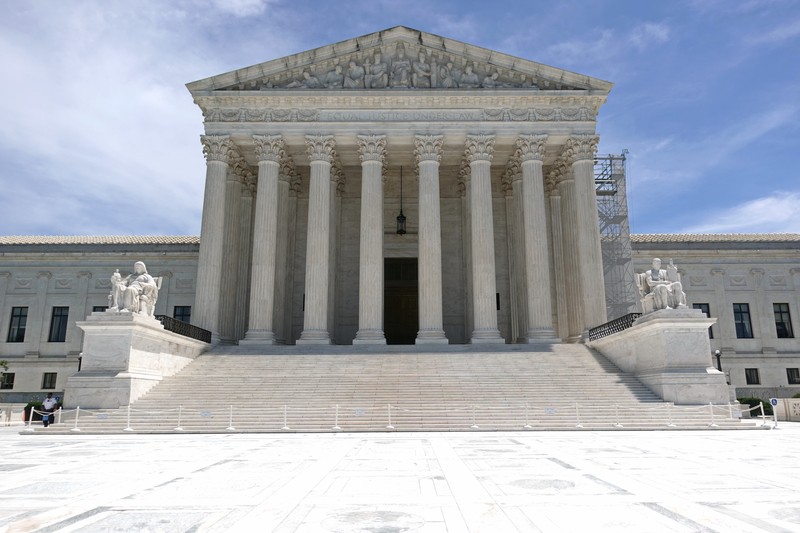
A unanimous Supreme Court ruled that internet providers cannot be held liable for user piracy simply because they knew about it. The decision obliterates a $1 billion verdict and rewrites the rules for secondary copyright liability.
A jury found Meta and Google liable by treating infinite scroll and push notifications as defective product design—not user content—opening a path around Section 230's liability shield.
Arm spent 35 years licensing blueprints to everyone. Now it's building its own silicon and competing with its own customers—with Meta as the first buyer.
Disney's planned $1 billion investment evaporated the moment OpenAI pulled the plug on Sora. The money never changed hands. The unit economics of AI video just failed their biggest test yet.
A New Mexico jury found Meta misled users about platform safety and enabled child exploitation — the first time a state has won at trial against a major tech company over harms to young users.
The FCC just banned imports of new foreign-made routers, citing national security. Since virtually all routers are built abroad—including those from US companies like Netgear—consumers could face higher prices and fewer choices for years.
The US Army now has a full-sized helicopter that can fly 70-mile resupply missions, conduct medical evacuations, and sling cargo—all without a pilot aboard. DARPA just handed over the keys.
A leaked exploit kit lets anyone with a GitHub account target hundreds of millions of iPhones. The code is just HTML and JavaScript — no iOS expertise required.