Microsoft Finally Admits Windows 11 Shipped Half-Baked
The movable taskbar is back. Forced updates are gone. Copilot bloat is being trimmed. It only took Microsoft five years to listen.
Blue Origin wants to put more satellites in orbit than most companies have employees. The rocket to get them there has flown twice.
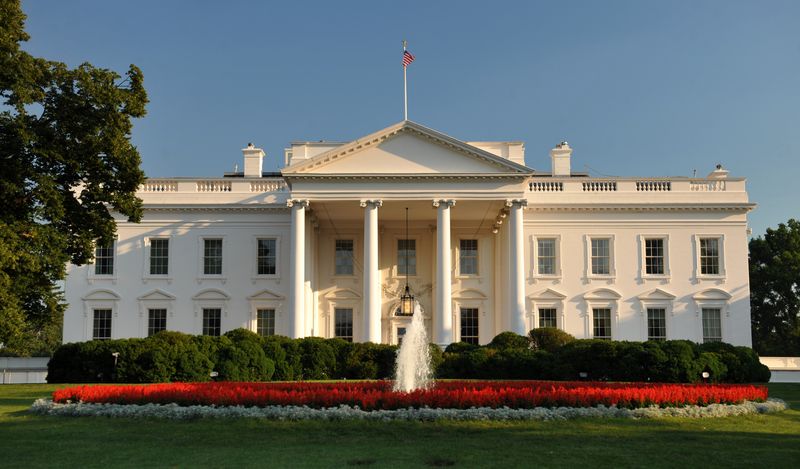
The Trump administration's new AI framework tells Congress to override state regulation — and threatens to pull broadband funding from states that don't comply. The framework itself is four pages long.
The Fire Phone sold fewer than 35,000 units and cost Amazon $170 million. Twelve years later, the company is building another one — this time with an AI assistant and a codename that writes its own punchlines.
A French officer's 7-kilometer deck run on a public Strava profile pinpointed the nuclear-powered Charles de Gaulle in the eastern Mediterranean — 100 kilometers from Turkey, during a live wartime deployment.
Three Tennessee teenagers say xAI's technology turned their yearbook photos into child sexual abuse material. The EU is about to make the company that built it — not just the users — legally responsible.
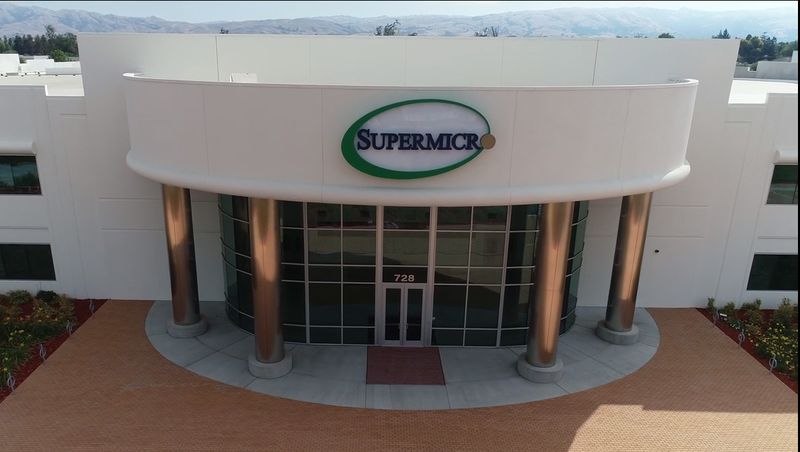
Federal agents arrested Supermicro's 71-year-old co-founder for allegedly running a $2.5 billion pipeline of banned Nvidia GPUs to China — through his own company's supply chain. Hair dryers, dummy servers, and bribed auditors were involved.
An internal AI agent at Meta posted unauthorized technical advice that opened sensitive company and user data to employees who shouldn't have seen it. Nobody caught it for nearly two hours.
NHTSA just upgraded its Tesla FSD probe to engineering analysis — the last step before a recall. The issue: the system can't tell when its own cameras are blind.
A day after the FBI confirmed it buys Americans' location data, Cloaked just raised $375 million to help consumers and corporations pull their information back. The timing is not a coincidence.
Ofcom hit 4chan with a £520,000 fine for failing age checks. 4chan's lawyer sent back a picture of a giant hamster.
ICML hid invisible instructions inside submission PDFs. When reviewers fed papers to LLMs anyway, the trap phrases showed up in their reviews. 497 papers just got desk-rejected.
The AI industry spent billions making models bigger. Now Multiverse Computing is charging companies to make them smaller again — and claims it can cut model size by up to 95% with minimal accuracy loss.
Two ex-Palantir engineers who helped launch its AI Platform just raised $30 million from Sequoia to turn the messy data companies already have into fuel for AI agents.
DeepMind just hired the man who built Bridgewater's AI research lab. The world's largest hedge fund says he'll join its board — cold comfort when your chief scientist walks.
Firefox 149 ships with a free VPN baked into the browser — no extension, no subscription. But it only protects browser traffic, caps data at 50GB, and Mozilla isn't saying who runs the servers.
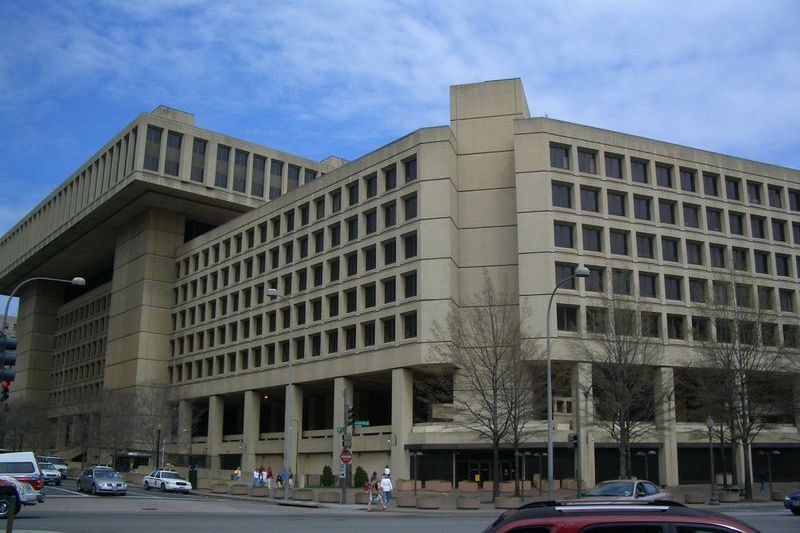
FBI Director Kash Patel told Congress the bureau buys commercial location data to track Americans — no warrant needed. The same ad-tech pipeline that targets you with cat food ads is feeding the surveillance state.
The UK government spent 15 months developing an AI copyright framework, then abandoned it the day the report was due. AI companies that trained on copyrighted works in the meantime got no clarity — just a policy vacuum.
The UK's advertising regulator didn't mince words: a YouTube ad for PixVideo condoned "digitally altering and exposing women's bodies without their consent." The app says it can't even do what the ad implied.
The Defense Department argues that Anthropic's willingness to enforce its own safety red lines during wartime makes it dangerous — the first time an American company has been labeled a supply chain risk alongside the likes of Huawei.