 lop News
Three months of undetected access. 1.8 million people’s most sensitive records. And at the center of the breach, a category of data that cannot be changed, reset, or replaced: fingerprints.
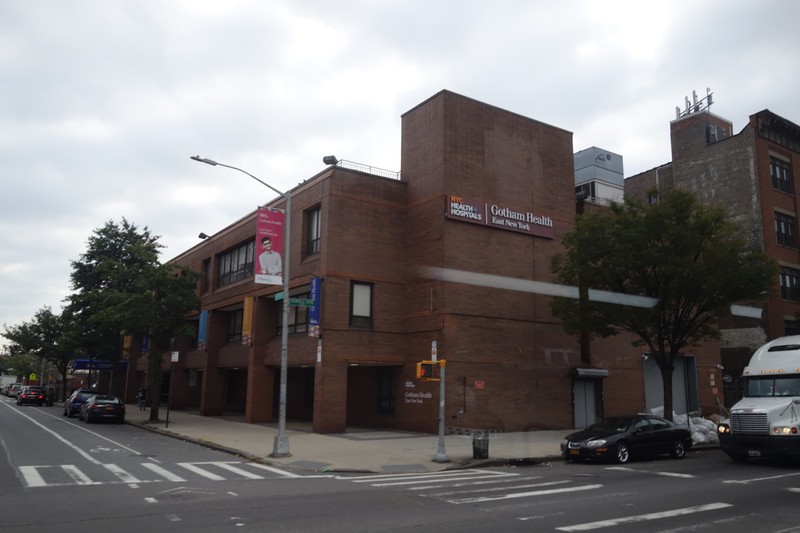
NYC Health + Hospitals, the largest public healthcare system in the United States, disclosed this week that hackers maintained access to its network from November 2025 through February 2026, copying files containing personal data, medical records, and biometric information belonging to at least 1.8 million people. The organization detected the intrusion on February 2 and attributed it to a compromise at an unnamed third-party vendor, according to a breach notice posted on its website. NYCHHC reported the breach to the US Department of Health and Human Services, making it one of the largest healthcare-related data breaches recorded so far this year.
What separates this incident from the routine cycle of healthcare data thefts is the fingerprints. Alongside the expected haul — Social Security numbers, diagnoses, medications, medical imagery, billing records, passports, and driver’s licenses — the hackers copied fingerprint and palm print scans. Biometric identifiers that their owners will carry, unchanged, for the rest of their lives.
Permanent Exposure
A stolen password takes minutes to reset. A compromised credit card arrives in the mail within days. Fingerprints offer no such recourse. Once that data exists outside your control, the exposure is structural and permanent.
NYCHHC has not publicly explained why it was storing biometric data. According to TechCrunch, which first reported the breach, prospective employees of the healthcare system are generally required to enroll fingerprints for criminal background checks. Whether patients’ biometric data was also compromised remains unknown.
The breach notice also disclosed that “precise geolocation data” was taken — likely metadata embedded in user-uploaded photos of identity documents, revealing exactly where those images were captured.
Healthcare as Target
Healthcare organizations remain a top target for ransomware operators, according to the FBI’s 2025 annual cybercrime report. The logic is brutal and simple: medical records combine identity information with intimate personal details, making them among the most valuable commodities on underground markets.
NYCHHC serves over a million New Yorkers, the majority of whom are uninsured or rely on state healthcare benefits such as Medicaid. The population hit by this breach is, by design, among the least equipped to absorb the financial and legal fallout of identity theft.
The scale, while significant, falls well short of the 2024 ransomware attack on UnitedHealth-owned Change Healthcare, in which Russian-linked hackers stole medical and billing data belonging to more than 190 million Americans — the largest recorded theft of US medical data in history. But the Change Healthcare breach did not involve biometric data. This one did.
The Questions Nobody Answered
TechCrunch reports that NYCHHC did not respond to questions about why the breach went undetected for three months, whether the organization has received ransom demands, or why the public disclosure came roughly three months after the intrusion was discovered. The healthcare system’s website was briefly offline as of Monday morning.
The third-party vendor responsible for the initial compromise has not been named. The incident appears unrelated to a separate breach at the National Association on Drug Abuse Problems earlier this year, which affected more than 5,000 NYCHHC patients.
The Biometric Future Has a Trust Problem
This breach arrives at a moment when technology companies are aggressively pushing biometric authentication — fingerprint scanners, facial recognition, palm-vein readers — as the successor to passwords. The pitch is seductive: biometrics are convenient, unique, and cannot be forgotten. The catch, which 1.8 million New Yorkers are now confronting, is that they also cannot be replaced.
Every new deployment of biometric collection — at hospitals, schools, employers, border crossings — creates another repository that must be defended indefinitely. The NYCHHC breach demonstrates how fragile that defense can be, particularly when it depends on third-party vendors whose security practices are invisible to the people whose data is at stake.
If a public healthcare system serving the most vulnerable population in the largest city in the United States cannot protect the biometric data it collects, the industry-wide assumption that fingerprints are a safe authentication mechanism deserves harder scrutiny. The technology to capture biometrics has outpaced the institutional capacity to secure them. That gap is where people live.
Discussion (9)