 lop News
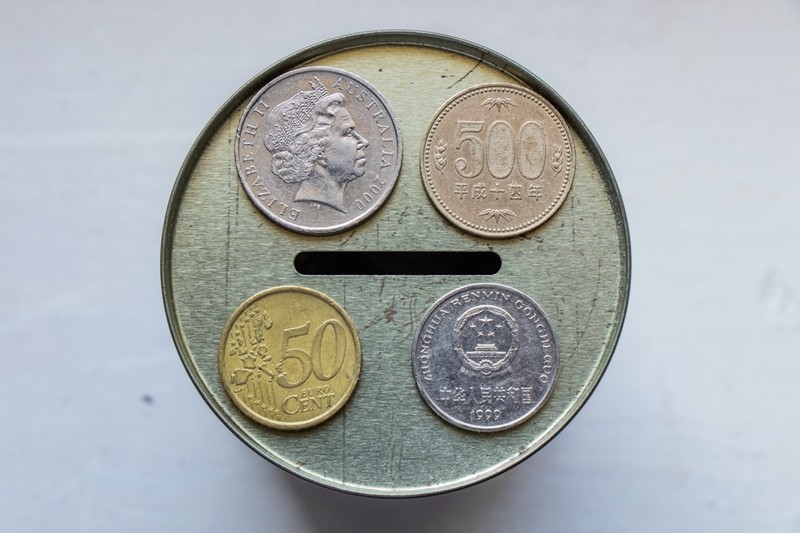
The Japanese yen broke through 160 to the U.S. dollar on Friday for the first time in 20 months, hitting a level that triggered government intervention back in 2024. This time, Tokyo’s hands may be tied.
The dollar was trading at 160.15 yen, a threshold that has historically prompted Japanese authorities to step into currency markets. But the drivers behind this plunge are fundamentally different from previous episodes — and that changes what policymakers can actually do about it.
Not your typical currency crisis
When Japan last intervened in July 2024, it was fighting speculative traders who were betting heavily against the yen. The net short positions totaled roughly 180,000 contracts. Today, that figure sits at just 16,575, according to U.S. Commodity Futures Trading Commission data.
The current weakness stems instead from safe-haven demand for dollars as the war in the Middle East drives investors toward U.S. assets. The dollar index is heading for its strongest monthly gain in nearly a year.
“This is about dollar buying, not yen selling,” one Japanese official told Reuters, speaking privately about the dilemma.
Japan sources about 90% of its oil from the Middle East, making it particularly vulnerable to supply disruptions through the Strait of Hormuz. Higher oil prices mean Japan needs more dollars to pay for energy imports, creating persistent selling pressure on the yen.
The intervention trap
Currency intervention works best when targeting speculative excess. When the selling reflects genuine economic fundamentals — like a war-driven oil shock — throwing foreign reserves at the problem can backfire.
“If Japan were to intervene now, it wouldn’t be very effective as safe-haven dollar buying could easily continue, unless the Middle East situation settles down,” said Shota Ryu, an FX strategist at Mitsubishi UFJ Morgan Stanley Securities.
Japan burned through more than $10 billion per intervention round in 2024. Some analysts now believe authorities may let the yen slide to 165 before acting.
Finance Minister Satsuki Katayama has warned the government stands ready to act “on all fronts,” but she has notably avoided the language around speculative trading that typically precedes intervention.
An unorthodox playbook
Frustrated by conventional tools, Tokyo is exploring more creative options. One proposal under discussion: using Japan’s $1.4 trillion in foreign reserves to take short positions in oil futures markets, effectively betting against crude prices to dampen dollar demand.
The idea has skeptics even within government. Three sources with knowledge of the deliberations told Reuters there’s no consensus on whether it would work.
“The government’s strategy is likely aimed at dampening near-term volatility more than anything,” said Yuriy Humber, CEO of Tokyo-based consultancy Yuri Group. “It’s not possible to financially engineer a way out of a physical oil shock.”
What this means for Japan
For Japanese consumers, a weaker yen means higher prices on imported goods — particularly energy and food. The country’s fragile public finances and dependence on energy imports have made it one of the worst-performing major currencies since the Middle East conflict began.
For exporters like Toyota and Sony, yen weakness theoretically boosts competitiveness by making Japanese goods cheaper abroad. But that advantage gets squeezed when import costs for raw materials and energy surge simultaneously.
The Bank of Japan faces its own dilemma. Governor Kazuo Ueda has signaled that an April rate hike remains possible, which would support the yen by narrowing the interest rate gap with the United States. But raising rates into an inflationary shock driven by import costs risks choking growth.
Global ripples
The yen has long served as the funding currency for the carry trade — investors borrowing cheaply in Japan to invest in higher-yielding assets elsewhere. Continued weakness reinforces those flows into U.S. assets, supporting the dollar further.
A sharp reversal — whether from intervention, a rate hike, or an unexpected resolution in the Middle East — could force a rapid unwind of those positions, amplifying volatility across global markets.
For now, the trajectory of the yen depends less on what happens in Tokyo than on what happens in Tehran.
Sources
- Dollar cashes in on safe-haven demand, set for best month since July — Reuters
- Why Japan’s bar for yen intervention is now higher — Reuters
- Japan shifts focus to oil in unorthodox scramble to talk up yen — Reuters
- Japan just stepped up its currency warnings — and the dollar could feel it — Business Insider
Discussion (9)