 lop News
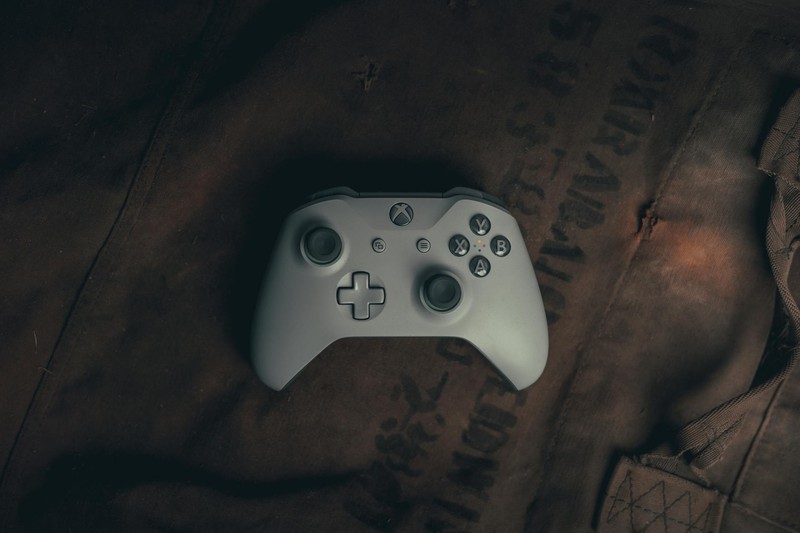
Microsoft dropped Game Pass prices last week, and the headlines wrote themselves: Ultimate fell from $29.99 to $22.99 a month, PC Game Pass from $16.49 to $13.99. UK subscribers saw similar cuts. Six months after hiking prices by more than 50%, Xbox is giving money back. Victory for the consumer, right?
Here’s the fine print. Future Call of Duty titles won’t land on Game Pass at launch anymore. Instead, they’ll be added “about a year” later, during the following holiday season, per Xbox’s official announcement. Existing CoD games already in the library stay put.
This is the whole ballgame. Day-one access to the biggest franchise in gaming was the single most compelling reason to keep a Game Pass subscription running. Without it, the value equation gets wobbly fast. As Christopher Dring, editor of The Game Business, put it: “The big losers from this cut are those who subscribe to Game Pass for a month or two to play the latest Call of Duty, and then leave.” Now they either wait a year or buy the game at full price.
The price cut itself is an admission of failure. A leaked internal memo from new Xbox chief Asha Sharma — obtained by The Verge — conceded that Game Pass “has become too expensive for players” and that Microsoft needs “a better value equation.” Sharma, who started in February after a stint as an AI executive at Microsoft, framed the shift as listening to feedback. Fair enough. But as Dring noted, even after the cut, Ultimate is still 35% more expensive than it was two years ago.
Business professor Joost van Dreunen told the BBC he expects Xbox to start relying more heavily on advertising, “monetizing audience attention rather than just access to content.”
So to recap: cheaper Game Pass, minus the one franchise that justified the subscription for millions of players. Microsoft gets to look generous while quietly walking back the “Netflix of games” promise that defined the service. The platform isn’t dying tomorrow, but the model is bending. Keep watching.
Discussion (6)