 lop News
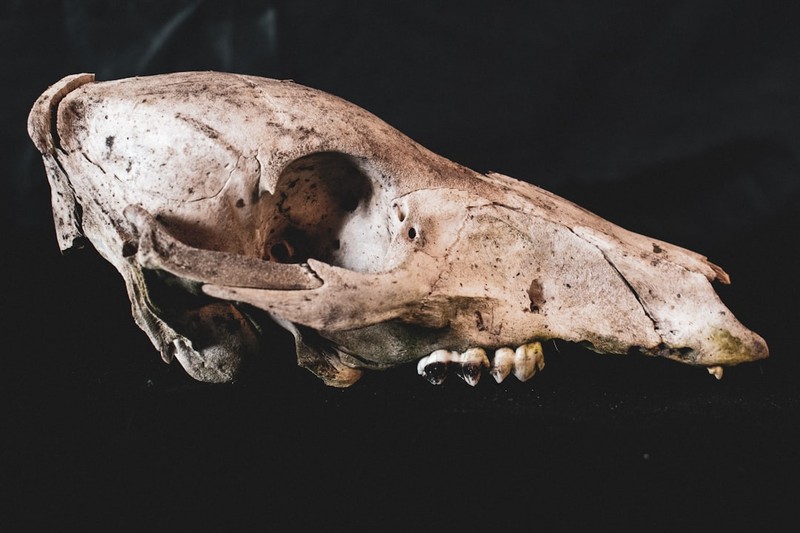
A jawbone tucked away in a museum drawer for decades has just rewritten the story of humanity’s oldest friendship.
Genetic analysis published today in Nature confirms that domesticated dogs were living alongside humans in Britain and Turkey 15,000 years ago — roughly 5,000 years earlier than the previous definitive evidence. The oldest specimen, from Turkey’s Pınarbaşı rock shelter, dates to 15,800 years ago.
The breakthrough came from extracting both nuclear and mitochondrial genomes from archaeological canid remains. Distinguishing dogs from wolves in ancient bones has long plagued researchers; the skeletons look nearly identical in the early stages of domestication. DNA settles the question.
“Everything sat in no man’s land because we simply couldn’t tell where dogs truly began,” Dr. Lachie Scarsbrook of Oxford University and LMU Munich told the BBC. The Gough’s Cave jawbone from Somerset became the key that unlocked specimens across Europe.
What emerged was striking: dogs from Britain to Turkey were genetically homogeneous, despite belonging to three culturally distinct human populations — Magdalenian, Epigravettian, and Anatolian hunter-gatherers. This suggests humans were actively exchanging dogs across Late Palaeolithic Europe.
Isotopic analysis revealed the dogs shared their owners’ diets: fish in Turkey, meat and plants in Britain. Some were buried alongside humans; others received ceremonial treatment after death.
The findings confirm that by 15,000 years ago, dogs were not just present but woven into human culture across western Eurasia — millennia before agriculture, before farm animals, before cats padded into our homes.
Discussion (6)