 lop News
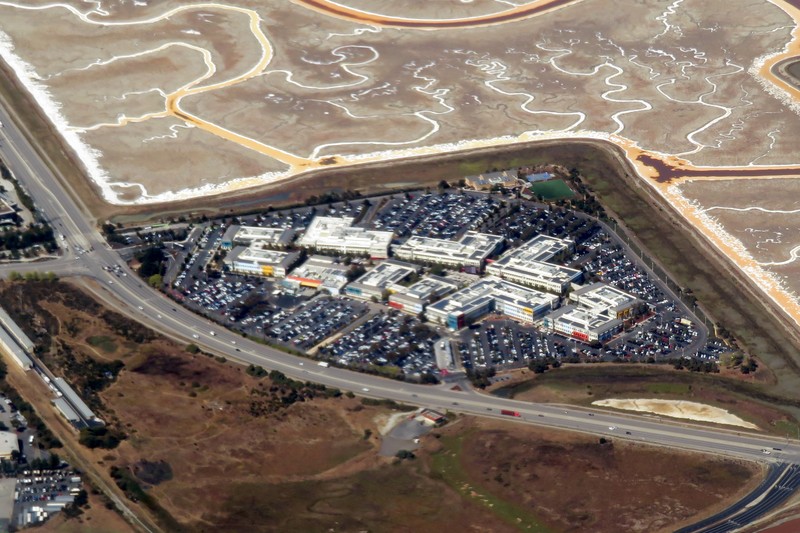
The numbers this week were remarkable. Meta is spending up to $167 billion on AI infrastructure. The same week, 700 employees lost their jobs while executives received stock packages worth hundreds of millions. A Stanford study put the economic damage from U.S. emissions at $10 trillion since 1990. Oil hit $120 a barrel. The Nasdaq entered correction territory. A fusion rocket fired plasma for the first time.
But the pattern underneath these numbers matters more than the numbers themselves: the people who bear the costs aren’t the ones making the decisions.
Meta’s $167 billion AI buildout is impressive. So is the timing of layoffs alongside executive stock packages. The workers who built the company’s infrastructure won’t be the ones deciding what AI replaces. They’ll just be the ones replaced. This isn’t hypocrisy—it’s the logic of concentrated power. Decisions get made by those who have it. Costs get distributed to those who don’t.
The same pattern repeats across every major story this week. Ukraine is being told that U.S. security guarantees require withdrawing from Donbas—territory their soldiers died defending. The officials in Washington making this demand won’t live under Russian occupation. The EU approved offshore detention centers for asylum seekers in countries they’ve never been to. The policymakers won’t be the ones inside. The IOC will mandate genetic testing for female athletes. The committee members won’t be submitting to the tests.
Even the climate bill follows the logic. The $10 trillion in damage from U.S. emissions represents real costs—flooded infrastructure, failed harvests, insurance markets collapsing. The companies that profited from those emissions won’t be paying the bill. Neither will the consumers who bought their products, though they’ll pay more at the pump and the grocery store as the Hormuz crisis drives up the cost of everything. The costs have already been distributed. The bill is just now arriving.
There’s something almost geometric about it. Power concentrates upward. Costs disperse outward. The institutions meant to mediate this imbalance—courts, legislatures, international bodies—are either too slow to matter or captured by the interests they’re supposed to regulate.
The technology sector talks constantly about building the future. And the future is being built: fusion rockets, AI systems, platforms that connect billions of people. But the question of who gets to live in that future—and who pays for the privilege of watching it be built around them—remains unanswered. The people asking that question rarely have the power to do anything about it.
This isn’t a new problem. What’s new is the speed. The AI transition will displace workers faster than any industrial revolution. The climate bill is arriving in real time. The geopolitical order is being rearranged by people who won’t have to live in the world they’re creating. The gap between decision-makers and cost-bearers has never been wider.
The fusion rocket fired plasma this week. Mars might actually be weeks away someday. But getting there won’t be free. The only question is who pays—and whether anyone will bother to ask them first.
Discussion (10)