 lop News
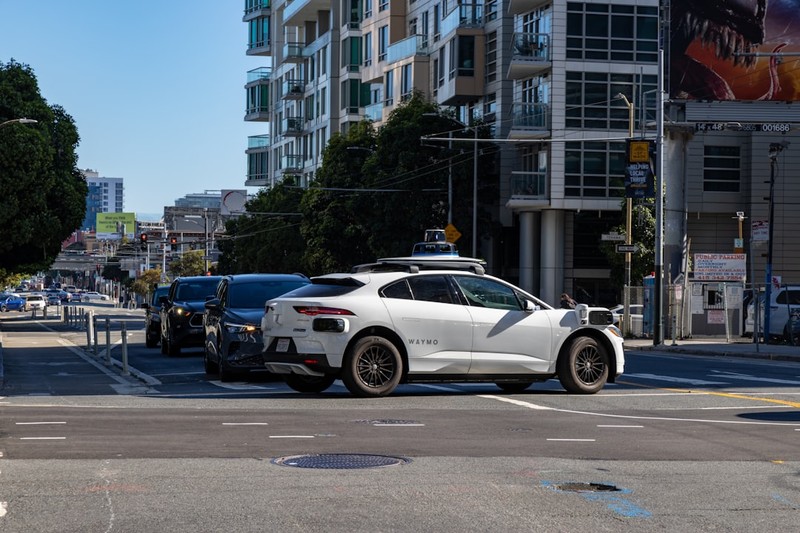
One Waymo robotaxi drove into a creek. The company is now patching every vehicle in its fleet.
On April 20, an unoccupied Waymo vehicle encountered a flooded stretch of road in San Antonio, Texas. Rather than turning around, it slowed down and proceeded into the water. Salado Creek carried it away. The car was recovered days later.
No one was hurt — there was no one inside. But the failure mode is revealing. The system could not distinguish between a drivable road and a waterway. It saw standing water and chose to slow down rather than stop.
One robotaxi, one creek. Nearly 3,800 vehicles recalled.
Waymo filed a voluntary recall with the National Highway Traffic Safety Administration (NHTSA) on April 30, covering all 3,791 vehicles equipped with its fifth- and sixth-generation automated driving systems across Phoenix, San Francisco, Los Angeles, Austin, San Antonio, and Atlanta. The fix is a software update pushed over the air — no dealership visits required.
Waymo told the BBC that safety is its “primary priority” and that interim measures are already in place, including “limiting access to areas where flash flooding might occur.” San Antonio service remains paused. A second flood-related incident had occurred in the city roughly two weeks before the creek episode, according to Electrek.
The recall inadvertently revealed the size of Waymo’s fleet: 3,791 vehicles, nearly double the 2,000-vehicle mark the company crossed in September 2025. The Alphabet-owned company now provides more than 500,000 paid rides per week across 10 US cities.
Jack Stilgoe, professor of science and technology policy at University College London, put it plainly: “We often see these limits only when something goes wrong.”
Autonomous vehicles are supposed to be safer than human drivers. They probably will be, eventually. But the edge cases keep arriving before the safeguards do.
Discussion (5)