 lop News
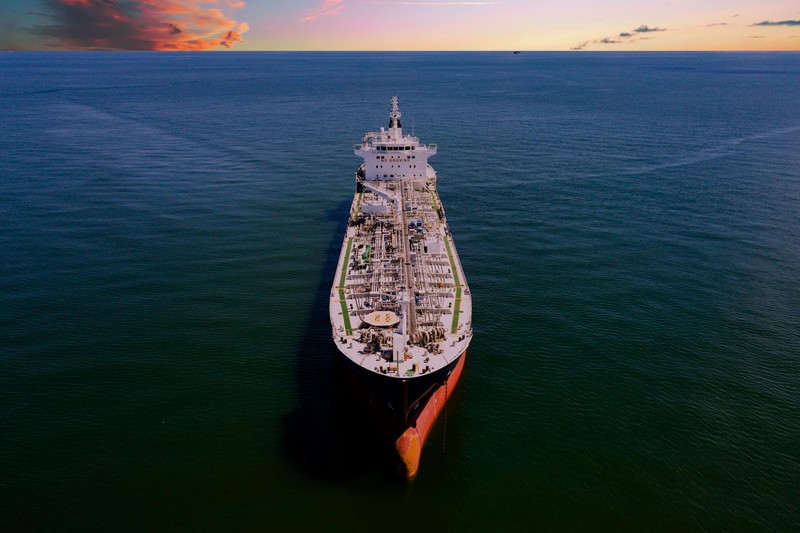
On Sunday, ship-tracking data showed the Russian-flagged tanker Anatoly Kolodkin cruising past the eastern tip of Cuba, loaded with roughly 700,000 barrels of crude oil and headed for the port of Matanzas. The vessel is sanctioned by the United States, the European Union, and Britain. Its destination is a country under a de facto American oil blockade. And the US Coast Guard, which had two cutters in the region capable of intercepting it, did nothing.
Nobody in Washington has explained why.
The anomaly is stark. Since January, the Trump administration has enforced a naval squeeze on Cuban fuel supplies — threatening nations that ship oil to the island, warning third countries with punitive tariffs, and, in one case, escorting a tanker away from Cuban waters. On March 12, the US Treasury specifically barred Cuba from receiving Russian oil. Then a Russian-government-owned tanker sailed through, and the order to stop it never came. A US official briefed on the matter told The New York Times it was unclear why the administration was allowing the shipment to proceed.
A Presidential Shrug
Aboard Air Force One on March 29, President Donald Trump did not directly confirm the report but offered a conspicuously relaxed posture. “If a country wants to send some oil into Cuba, right now, I have no problem whether it’s Russia or not,” he told reporters. He added: “We don’t mind somebody getting a boatload…because they have to survive.”
The comments sit awkwardly alongside other recent statements. At an economic forum in Miami on March 27, Trump said “Cuba’s next” while discussing military action — before adding, “pretend I didn’t say that please.” He has asked Secretary of State Marco Rubio to lead talks with Cuban officials and spoken publicly of a “friendly” takeover of the island. The same president extending Cuba an energy lifeline is the one publicly threatening its government with regime change.
Why Not Block It?
Blocking a Russian-government-owned vessel by force on the high seas would have risked a naval confrontation with Moscow at a moment of heightened global tension. The Russian navy reportedly escorted the Anatoly Kolodkin through the English Channel en route to the Caribbean.
The broader sanctions environment shifted earlier in March, when the US temporarily eased sanctions on Russian energy exports to stabilize global oil supplies disrupted by the US-Israeli military campaign against Iran. But allowing a sanctioned tanker to deliver oil to a country specifically barred from receiving Russian crude goes well beyond a general easing. Nobody has articulated why Cuba warranted an exception.
Cuba’s Reprieve
Cuba has not received oil imports in three months, according to President Miguel Díaz-Canel, forcing strict gasoline rationing and contributing to rolling blackouts across the island. The situation worsened after the US captured Venezuelan leader Nicolás Maduro on January 3, removing an ally who had provided oil to Havana on favorable terms. Mexico halted its own exports after Washington threatened tariffs on third-country suppliers.
Another vessel, the Hong Kong-flagged Sea Horse, had been bound for Cuba with 200,000 barrels of fuel but was rerouted to Venezuela. The Anatoly Kolodkin’s cargo — estimates range from 650,000 to 730,000 barrels, according to LSEG and MarineTraffic data — would buy Cuba at least a few weeks before reserves run out, analysts told the Times.
A Decision Without a Rationale
What remains unclear is whether this reflects a deliberate recalibration or a lapse in enforcement. The Treasury’s March 12 restriction is still on the books. The Coast Guard had the capacity to act. The White House has offered no formal explanation.
The temporary easing of Russian energy sanctions provides one possible rationale, as does a judgment that a naval standoff with Moscow was not worth the risk. Neither accounts for the administration’s choice of silence over a coherent public justification. Some US and European leaders, along with Ukrainian President Volodymyr Zelenskyy, have criticized the broader sanctions easing, arguing it helps Moscow fund its war in Ukraine.
What is clear is that a sanctioned Russian tanker sailed into Cuban waters this weekend carrying oil that should not have arrived, past a blockade that was never lifted — and the government responsible for both sets of restrictions has declined to explain the gap.
Sources
- U.S. to Allow Russian Oil Tanker to Reach Cuba, Breaking Blockade — The New York Times
- US to allow Russian oil tanker to reach Cuba, New York Times reports — Reuters
- Sanctioned Russian Oil Tanker Enters Sanctioned Cuba’s Waters, Possibly With US Permission — Radio Free Europe / Radio Liberty
- US will reportedly allow Russian oil tanker to reach Cuba amid blockade — The Guardian
Discussion (10)