 lop News
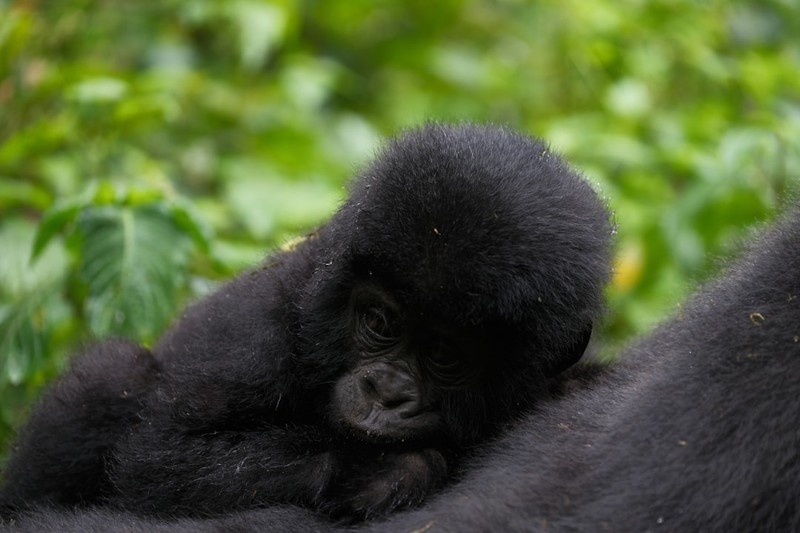
Two sets of twins. Three months. For mountain gorillas, where twin births occur in less than 1% of deliveries, that counts as extraordinary.
The latest arrivals—a male and female estimated at two weeks old—were discovered in the Baraka family in Virunga National Park, Democratic Republic of Congo. Just weeks earlier, rangers had found twin males born to a gorilla named Mafuko in the same park. Those infants are now 11 weeks old and thriving.
“Two instances of twin births within three months is an extraordinary event,” said Jacques Katutu, Virunga’s head of gorilla monitoring.
For a subspecies that dwindled to roughly 250 individuals in the 1970s, the births mark cautious progress. Conservation efforts pushed the global population past 1,000 in 2018, moving mountain gorillas from “critically endangered” to “endangered.” Nine infants have now been born in Virunga’s habituated groups in the first quarter of 2026 alone.
Twin gorillas face steep odds—about a quarter of mountain gorilla infants die from disease, trauma, or infanticide. Both sets are receiving enhanced monitoring.
The milestone comes despite relentless danger. Eastern Congo remains volatile, with rebel groups including M23 operating in the region. Over 220 rangers have been killed protecting Virunga in the past two decades.
Park authorities believe twin births may occur when females are in particularly good physical condition—a sign, perhaps, that the ecosystem supporting them is functioning despite the chaos around it.
Sources
- Rare second mountain gorilla twin birth recorded in 3 months in Virunga National Park — Virunga National Park
- ‘Extraordinary event’ for mountain gorillas as new twins born in DRC — The Guardian
- Rare mountain gorilla twins born in DR Congo: park authorities — AFP via Phys.org
Discussion (6)