 lop News
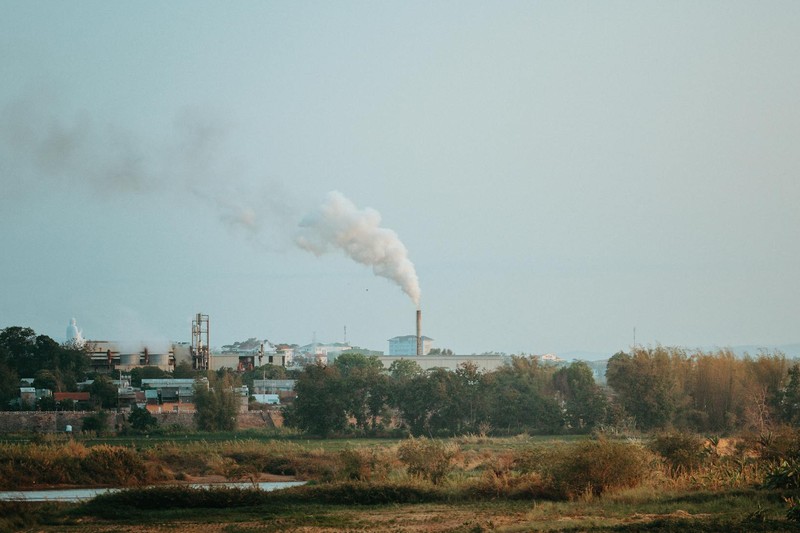
Nearly 160 environmental monitoring stations across Vietnam — more than half the national total — were tampered with and their data falsified, according to the state-run People’s Police newspaper. Police have arrested 74 people, including officials at state environmental agencies and employees at dozens of businesses responsible for wastewater discharge and monitoring equipment.
The stations tracked air pollution and wastewater emissions from some of Vietnam’s largest industrial sites, including the Quang Ninh, Hai Phong, and Thai Binh 2 thermal power plants, as well as aluminium and steel companies. Rather than reporting actual emissions, the data sent to local environment departments was, in the authorities’ words, “being manipulated and altered in a sophisticated manner.”
The method was straightforward: software-based remote adjustments that lowered the readings to within legal limits. Even sealed equipment under surveillance cameras was compromised. “The perpetrators interfered to reduce the output indicators thereby ensuring that the data sent to the management agency always remained within permissible levels,” the newspaper reported.
Vietnam has invested heavily in environmental monitoring as rapid industrialization has degraded air and water quality, particularly around its manufacturing corridors. The arrests suggest that investment was undermined not by technical failure but by coordinated, low-tech fraud — officials and operators working together to ensure the numbers looked right while the actual emissions went unrecorded.
The case raises an uncomfortable question beyond Vietnam’s borders. If more than half of a nation’s monitoring network can be silently compromised — in a country with sealed equipment and camera surveillance — what confidence should anyone have in emissions data from other rapidly industrializing economies with less oversight?
No further details on the scope of the investigation or potential environmental damage have been released, according to the South China Morning Post.
Sources
- Vietnam arrests 74 over falsified environmental, waste water data — South China Morning Post
Discussion (6)