 lop News
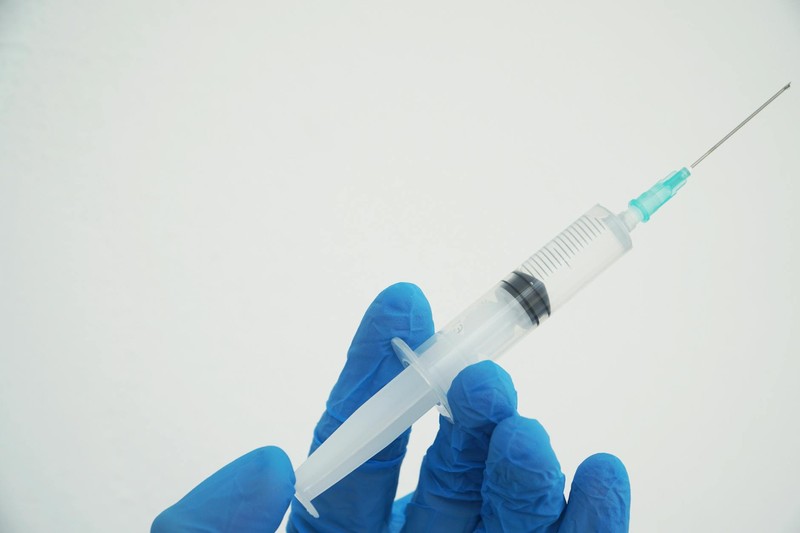
A nurse reaches under a counter, pulls out a used syringe, and hands it to a colleague. Moments later, it heads toward another child’s arm. A doctor injects a patient without sterile gloves. A volunteer — unqualified, officially banned from the children’s ward — draws medicine from a contaminated vial and injects child after child.
This is THQ Hospital in Taunsa, in Pakistan’s Punjab province, filmed covertly by BBC Eye over several weeks in late 2025. The hospital’s director, Dr Qasim Buzdar, says none of it is real.
“This footage could also be staged”
Buzdar was appointed in March 2025 to clean up the facility after it was linked to a devastating HIV outbreak among local children. Shown the undercover footage, he told the BBC it must have been recorded before his tenure. Told it was filmed on his watch, he offered: “This footage could also be staged.”
“Infection prevention controls are followed at THQ Taunsa,” he said. Asked what he would say to parents watching, he replied: “I can say to them with certainty, with confidence, that you should get your treatment done at THQ Taunsa.”
Over 32 hours of filming, BBC Eye witnessed syringes being reused on multi-dose vials on ten occasions. In four cases, medicine from the same vial was given to a different child. Staff injected patients without sterile gloves 66 times. Syringes, needles, and open vials were left scattered on countertops.
331 children, and a pattern of denial
BBC Eye identified 331 children who tested positive for HIV in Taunsa between November 2024 and October 2025, using data from the Punjab AIDS screening programme, private clinics, and a leaked police dataset. Of 97 infected children whose families were tested, only four mothers were positive — ruling out mother-to-child transmission in most cases. Provincial data lists “contaminated needle” as the mode in more than half.
Nine children have died. Nineteen new cases emerged in the past four months alone.
Eight-year-old Mohammed Amin died shortly after testing positive. His fevers were so severe he insisted on sleeping in the rain, his mother Sughra recalled. He writhed in pain “like he’d been thrown in hot oil.” His sister Asma, ten, also tested positive. Sughra does not have the virus. Both children had received injections at THQ Taunsa.
Asma now faces lifelong antiretroviral treatment. Neighbours stop their children from playing with her. “She asks her mother, ‘What is wrong with me?’” her uncle told the BBC.
Systemic failure, not a single bad hospital
The crisis mirrors a pattern. In 2019, hundreds of children in Ratodero, Sindh province, contracted HIV through contaminated equipment. By 2021, that number reached 1,500, and new infections continue. In Karachi, 84 children treated at a government hospital tested positive; the federal health minister confirmed syringe reuse as the cause.
Pakistan has one of the world’s highest rates of therapeutic injections, many medically unnecessary. Dr Fatima Mir of Aga Khan University Hospital says patients and doctors default to injections when oral medication would suffice. Supply shortages compound the problem — nurses must make limited stocks last an entire month.
The Punjab health department said “no validated epidemiological evidence” had “conclusively established THQ as a source,” pointing to a joint mission with Unicef, WHO, and UNAIDS that highlighted unregulated private clinics and unscreened blood transfusions. Auto-disable syringes had been supplied to all government hospitals, it said, and 240 unlicensed clinics sealed.
Yet the BBC obtained the joint mission’s own April 2025 inspection report, which found conditions at THQ Taunsa “especially concerning.” Unsafe injection practices were “common.” Cannulas were unlabelled. Hand hygiene was neglected. No sanitizers were available.
Suspended medical superintendent Dr Tayyab Chandio was quietly reassigned within three months to a rural health centre on Taunsa’s outskirts, where he continues to treat children. The local government said “no inquiry outcome has legally barred” him from practice.
Asma, standing at her brother’s grave, says she misses him. “He’s with God now.” She tells the BBC she works hard at school. “When I grow up,” she says, “I want to become a doctor.”
Sources
- Hospital at centre of child HIV outbreak caught reusing syringes in undercover filming — BBC News
- BBC Eye investigates a hospital linked to outbreak of HIV among children in Pakistan — BBC Media Centre
- Children among 300 affected by HIV in Taunsa — The News International
- BBC says infection control breaches persisted at Taunsa hospital after HIV outbreak — Pakistan Today
Discussion (9)