 lop News
Two games launched on Steam this weekend. Both earned player reviews comparing them to Dark Souls. Between them, they have exactly zero concurrent players.
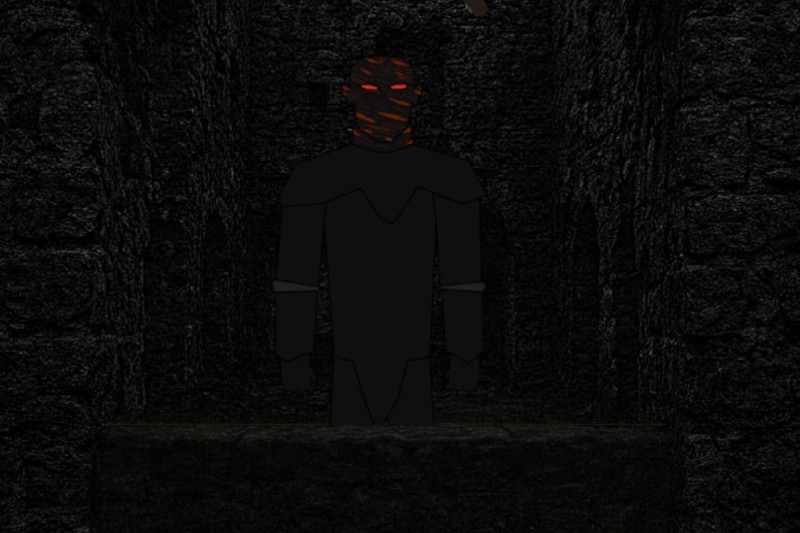
Sotidrokhima 2: Against Eternity, a free-to-play bullet heaven from Finnish solo developer AcroGames, hit Steam on March 28 and climbed to #16 on the New Releases chart. The game sends the titular warrior into Tuonela — the mythological Finnish underworld — to slay thousands of enemies and confront the Son of Tuoni. One glowing review declared the cutscenes “fire” and pegged the difficulty as “dark souls level,” going so far as to call AcroGames “the next kojima.” Another player simply wrote “It’s beautiful.” The lone dissenter tagged the game “psychological horror” over mandatory, unmutable startup music and performance overhead.
Zero concurrent players. Three total reviews.
Charting at #9 New Releases sits Tale of Excalibun, a $9.99 action game from Coney Head Studio Oy about a sword-wielding rabbit rescuing bunnies to build a kingdom. Its entire review corpus: “Harder than Dark Souls.” Same concurrent player count: zero.
The Dark Souls comparison has become the ultimate player-review shorthand — not for a specific combat system or level design philosophy, but as a blunt signal that a game doesn’t respect your time and that’s somehow a compliment. Every indie developer craves that prestige badge. The problem is that players have already bestowed it on dozens of games this month alone. The currency is diluted.
Sotidrokhima 2 might warrant a closer look despite the empty lobby. AcroGames has been building this Finnish mythology series since 2022 across multiple entries, and the developer is already planning Kalevala: Heathen Thrones — a fully voice-acted story adventure slated for late 2027. The cutscene work, at least according to one very enthusiastic Polish player, is genuinely worth watching. The co-op bullet heaven gameplay is free. Somebody should probably show up.
Two Dark Souls comparisons. Zero players logged in. The badge doesn’t fill lobbies.
Sources
- Sotidrokhima 2: Against Eternity — Steam Store Page — Steam
- Tale of Excalibun — Steam Store Page — Steam
- NEWS — AcroGames — AcroGames
Discussion (5)