 lop News
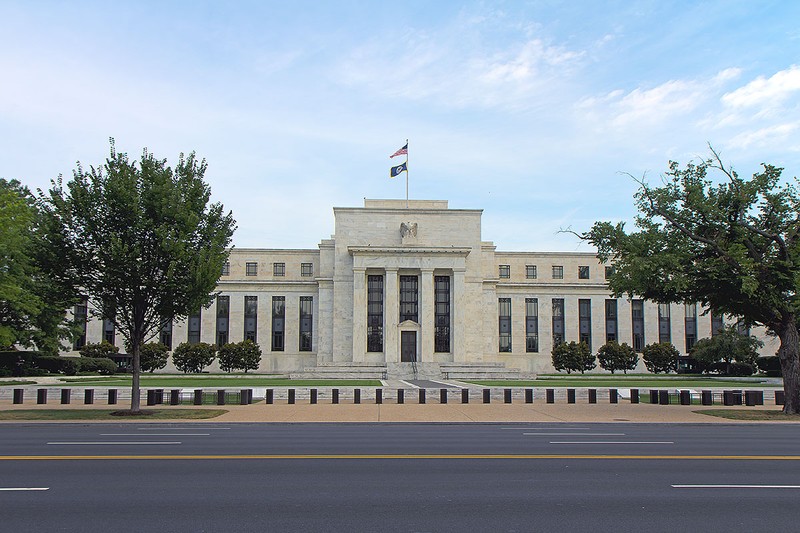
The White House doesn’t normally swear in Federal Reserve chairs. Presidents don’t attend. The whole point of the central bank is that nobody in the West Wing tells it what to do.
On Friday, Donald Trump will hold a swearing-in ceremony for Kevin Warsh in the White House, with the president presiding. The venue is the message.
Warsh, 56, was confirmed Wednesday by the Senate in a 54-45 vote — the narrowest margin ever for a Fed chair, according to Claudia Sahm, chief economist at New Century Advisors and a former Fed economist. Every Republican voted yes, joined by Democrat John Fetterman of Pennsylvania. The rest of the Democratic caucus voted no. The reason was blunt: nobody is sure Trump hired a man who will tell him no.
What the president has ordered
Trump has said publicly he would be “disappointed” if Warsh didn’t cut interest rates immediately. He told the Wall Street Journal last year that Warsh “thinks you have to lower interest rates.” In a December social media post, he wrote: “Anyone that disagrees with me will never be the Fed chairman!”
Warsh has denied any quid pro quo. “The president never once asked me to commit to any particular interest rate decision, period,” he told the Senate Banking Committee. “Nor would I ever agree to do so if he had.”
Those assurances collide with reality. Inflation reached 3.8 percent in April, driven by a roughly 50 percent spike in gasoline prices tied to the war in Iran, according to the Associated Press. The Fed’s 2 percent target hasn’t been met in five years. Rate cuts now would stimulate the economy — and almost certainly accelerate inflation.
At the Fed’s most recent meeting, three members of the 12-person rate-setting committee dissented from language suggesting a cut, preferring wording that would allow for a hike. It was the most dissent at a single meeting in over three decades. JPMorgan chief US economist Michael Feroli noted that “the other 11 members of the FOMC will act as a brake on any quick shift in monetary policy under Warsh.”
A hawk with a fortune
Warsh studied political science at Stanford and earned a law degree from Harvard in 1995 before a stint at Morgan Stanley. In 2002, President George W. Bush appointed him as an economic adviser. That same year, Warsh married Jane Lauder, heiress to the Estée Lauder cosmetics empire.
In 2006, at 35, he became the youngest-ever member of the Fed’s Board of Governors, earning a reputation as a hawk for criticizing then-Chair Ben Bernanke’s crisis response. He resigned in 2011 over disagreements about the Fed’s balance sheet.
His disclosure revealed more than $130 million in assets, likely making him the wealthiest Fed chair in history. His wife’s fortune is estimated at roughly $2 billion. Senator Elizabeth Warren called him Trump’s “sock puppet,” citing Trump’s public demands for a compliant Fed chair. She also pressed him on his refusal to detail holdings in Polymarket and SpaceX or to say whether Trump lost the 2020 election.
Powell stays. The world watches.
Outgoing chair Jerome Powell — whom Trump has called “incompetent,” a “fool,” and “corrupt” — will remain on the Fed’s Board of Governors until the Justice Department closes its investigation into a headquarters renovation. His governor term runs until January 2028, giving him a vote on rate decisions and creating what the AP described as a potential competing power center. Trump nominated Powell for the same job in 2017.
Harvard economist Kenneth Rogoff framed the global stakes: “The Federal Reserve’s independence is of unique importance in the global financial system. After all, the dollar is at the heart of the global financial system. If the US becomes unstable, it affects everyone.”
Warsh has also floated a new “Fed/Treasury accord” to govern the central bank’s balance sheet, saying he would be willing to work with Congress and the administration on “non-monetary matters.” Six former Fed officials interviewed by CNBC found those comments confusing at best, worrisome at worst. Former Richmond Fed President Jeffrey Lacker warned of “a less constructive agreement that lets the Treasury use the Fed’s balance sheet to bypass Congress, perpetuating bad practices and compromising the Fed’s independence.”
The question of dollar swap lines for Gulf states during the Iran war sits in the gray zone between monetary policy and foreign policy. Treasury Secretary Scott Bessent confirmed that several Gulf nations have requested swap lines. Warsh declined to say whether the Fed would follow Treasury’s wishes.
Warsh takes the chair with genuine credentials, genuine wealth, and genuine doubts about his independence. He has promised to follow the data. The president has promised lower rates. Both promises cannot survive contact with the same economy. The bond markets will decide which one breaks first.
Sources
- Kevin Warsh: Trump’s man at the Fed or independent voice? — Deutsche Welle
- Senate confirms Trump pick Warsh as chairman of the Federal Reserve, following Powell — Associated Press
- Warsh’s take on Fed independence is met with confusion and some concern — CNBC
- Warsh vows to keep distance from White House on Fed rate decisions — Politico
- Fed nominee Warsh questioned on independence from Trump and personal wealth — PBS NewsHour
Discussion (10)