 lop News
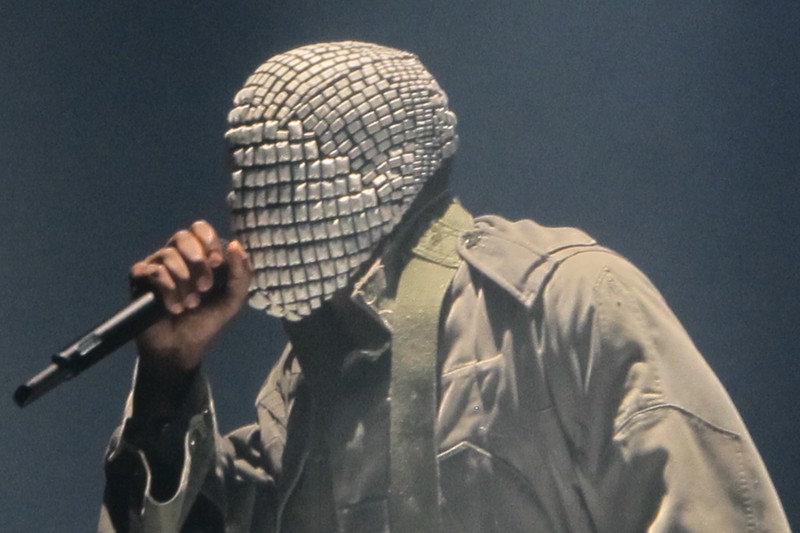
Six months after releasing a song called “Heil Hitler,” Kanye West wanted three nights on a London stage. The UK Home Office had a one-word answer: no.
West — now legally known as Ye — had his Electronic Travel Authorisation revoked Tuesday on the grounds that his presence in Britain “would not be conducive to the public good.” With their sole headliner barred from the country, Wireless Festival cancelled the entire event. Refunds will be issued to all ticket holders.
A major music festival, scrapped not because of weather or logistics or low ticket sales, but because a government decided that one musician’s platform would do more harm than his absence.
From Swastika T-Shirts to Apology Tours
The arc that led here is long and well-documented. West has spent years making antisemitic, racist, and pro-Nazi statements. He voiced admiration for Adolf Hitler. He sold swastika T-shirts on his website. He released “Heil Hitler” as a single. He has been condemned across the political spectrum — and, until recently, showed no sign of contrition.
In January, he took out a full-page Wall Street Journal advertisement apologizing for his antisemitic behavior and attributing it to bipolar-1 disorder. On Tuesday, as political pressure over his Wireless booking intensified, he offered to “meet and listen” to members of the UK’s Jewish community. “I know words aren’t enough — I’ll have to show change through my actions. If you’re open, I’m here.”
His latest album, released amid this apology tour, includes a track titled “Gas Chamber.”
The Campaign and the Collapse
The Campaign Against Antisemitism (CAA) had promised mass protests outside the festival if West performed. A spokesperson called the booking an exercise in “profit, not forgiveness,” warning that “nobody knows what might come out of Mr West’s mouth on that stage.”
After the government’s decision, the CAA turned on Wireless itself. Organizers had claimed that “multiple stakeholders were consulted in advance of booking Ye and no concerns were highlighted at the time.” The response was withering: “Who were they consulting? A wall? That’s what happens when the only stakeholders you speak to are those who stand to make a profit.”
The Board of Deputies of British Jews, the UK’s largest Jewish communal organization, had offered to meet West — but only if he agreed not to perform. President Phil Rosenberg called for lessons across the industry, noting that even West’s current album contained antisemitic material.
A Festival Exposed
Wireless promoter Melvin Benn, a major figure in British live music, had defended the booking as purely artistic — “not giving him a platform to extol opinion of whatever nature, only to perform the songs that are currently played on the radio stations and streaming platforms.” He cited West’s mental health and called for forgiveness, noting personal experience with mental illness in his own life. “Mental health is not something that disappears overnight,” Benn told BBC Radio 4.
Health Secretary Wes Streeting dismissed the argument. “Does using bipolar disorder as an excuse to write and release a song called Heil Hitler and plaster it across T-shirts — does bipolar disorder really justify that? Or is it an excuse to justify rotten behaviour?” He called the apology “mealy-mouthed and self-serving.”
By the time the Home Office intervened, sponsors Pepsi and Diageo had already withdrawn. Presale tickets had sold out. General sale was due to open Wednesday. Benn admitted the festival could have engaged the Jewish community earlier, conceding it “may prove to be a mistake.”
A Sovereign Choice
Prime Minister Keir Starmer said West “should never have been invited to headline Wireless,” adding that the government “will not stop in our fight to confront and defeat the poison of antisemitism.” The opposition concurred — shadow home secretary Chris Philp urged the home secretary to act, and Liberal Democrat leader Ed Davey had also called for a ban.
The lone dissenting voice among senior politicians came from SNP leader John Swinney, who argued Britain is “a free country” where people should be able to “listen to the music they want to.”
West joins a short list of American cultural figures denied UK entry — Snoop Dogg in 2007, Tyler, the Creator for four years from 2015, Martha Stewart in 2008. But those cases turned on criminal incidents or lyrics deemed to incite violence. This one turned on a government’s judgment about who deserves the legitimacy of a stage.
The Community Security Trust, which protects British Jews, framed it simply: “People who show genuine and meaningful remorse for previous antisemitic behaviour will always receive a sympathetic hearing from the Jewish community, but that process must come before this kind of public rehabilitation.”
West said he wanted to start a conversation. He got his answer at the border.
Discussion (8)