 lop News
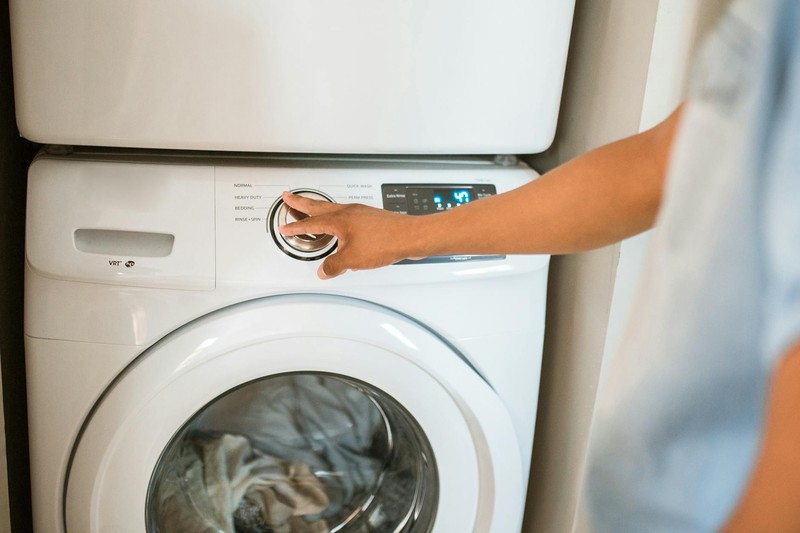
The last time Americans stopped buying appliances this fast, Lehman Brothers was still a going concern. Whirlpool reported a first-quarter loss of $85 million on Wednesday, with CEO Marc Bitzer describing the collapse in demand as comparable to the 2008 financial crisis.
“This level of industry decline is similar to what we have observed during the global financial crisis, and even higher than during other recessionary periods,” Bitzer told analysts on a conference call.
The Benton Harbor, Michigan-based company pointed to a war three time zones away as the primary catalyst. The conflict in Iran sent gas prices to $4.56 a gallon — the highest since July 2022, per AAA data — and consumer sentiment to an all-time low in the University of Michigan’s April survey, where respondents expected prices to rise 4.8% over the coming year and assessments of personal finances plunged 11%. Whirlpool’s North American sales fell 7.5%. Operating earnings in the segment collapsed 96%, to $6 million from $149 million a year earlier. Shares fell as much as 21% in premarket trading, approaching a 17-year low.
Whirlpool is not alone in reading the vital signs. Across earnings calls this week, a chorus of consumer-facing executives described an American shopper who has simply run out of runway.
“They’re literally running out of money at the end of the month,” Kraft Heinz CEO Steve Cahillane said in an interview. “We’re seeing negative cash flows in the lower-income brackets where they’re dipping into savings.”
Squeezed From Every Direction
The forces bearing down on household budgets are multiple and reinforcing. Gas prices spiked on Middle East war fears. Groceries remain expensive. Student loan payments resumed. The personal savings rate dropped in March to its lowest in three years. Enlarged tax refunds cushioned some of the blow, but not enough to reverse the slide in spending. And a Supreme Court ruling striking down the administration’s emergency tariffs upended pricing across industries — Whirlpool estimated the tariff disruption hit competitors at 10% to 15% on costs, versus roughly 5% for Whirlpool, which manufactures about 80% of its major appliances in US factories.
The tariff chaos stung, but the real damage came from demand vanishing entirely. McDonald’s CEO Chris Kempczinski said shopper confidence is deteriorating, with gas prices landing hardest on low-income customers. Dine Brands, owner of Applebee’s and IHOP, reported that its value-oriented guests are “staying home a bit more,” in the words of CEO John Peyton. Warby Parker flagged unemployment and student debt pressures squeezing younger shoppers. Planet Fitness fell the most on record after slashing its outlook and pausing a nationwide price increase. “The consumer and economic backdrop have shifted,” CEO Colleen Keating said.
Raising Prices Into the Wind
Whirlpool’s answer to collapsing demand was, counterintuitively, to raise prices — a 10% hike in April, its largest in a decade, with another 4% increase coming in July. The company said it had absorbed years of cost inflation rather than pass it to customers, but a quarterly loss forced its hand. It also suspended its dividend and plans to pay down more than $900 million in debt this year.
Whether consumers who have stopped buying washers at current prices will return at prices 14% higher is an open question. Whirlpool cut its full-year earnings forecast nearly in half, to $3 to $3.50 per share from roughly $6 — a signal it doesn’t expect a quick recovery.
Bill Adams, chief economist at Comerica Bank, framed the dynamic plainly: Americans can draw down savings or tap credit cards in the short term, “but the longer gas prices stay high, the more consumers will change their spending patterns to balance their budgets.”
What the Rally Misses
There is a jarring gap between Main Street and the market. Betting odds of a recession this year dropped to an all-time low last week as ceasefire talks progressed. The Dow rose 7.1% in April. The S&P 500 gained 10.4%. The Nasdaq surged 15.3%, its best month in six years. Resilient federal data buoyed investors even as consumer sentiment plumbed record lows.
The people selling washing machines, hamburgers, and gym memberships see something the equity rally does not. The US consumer is the engine of the American economy and anchors demand for exports from Europe to East Asia. When Whirlpool’s CEO says demand hasn’t been this weak since the financial crisis, that is a distress signal from the engine room of the global economy.
The next round of earnings calls — retailers, automakers, airlines — will reveal whether Whirlpool and its peers are canaries or outliers.
Sources
- Whirlpool Corporation Announces First-Quarter Results; Accelerates Cost and Pricing Actions to Restore Margins — Whirlpool Corporation
- Whirlpool warns of ‘recession-level’ slump as Iran war and tariff ruling hit sales — The Guardian
- ‘Recession-Level Industry Decline’ Pummels Whirlpool—Hits 17-Year Low — Forbes
- Consumers Are ‘Running Out Of Money’ And Cutting Back, CEOs Warn — Bloomberg News via FA-MAG
Discussion (9)