 lop News
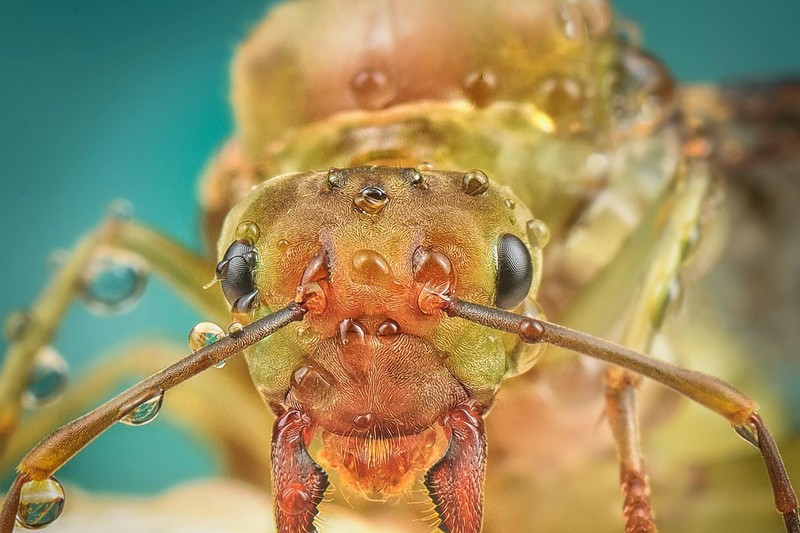
More than 2,200 live queen ants, individually packed in test tubes and tissue paper, were found in a traveler’s luggage at Nairobi’s Jomo Kenyatta International Airport this month. The suspect, 27-year-old Chinese national Zhang Kequn, had spent two weeks in Kenya collecting them. Immigration officials flagged his passport because he had evaded arrest in the country last year in connection with another ant smuggling ring.
On the black market, a single queen of the giant African harvester ant — Messor cephalotes, a large red species native to East Africa — can fetch up to $220. Zhang’s haul, by that math, was worth nearly half a million dollars.
A Pet Trade Hiding in Plain Sight
The demand comes from a niche but growing global community of ant hobbyists who keep colonies in formicariums: transparent enclosures designed to observe the insects building tunnels, gathering food, and tending to their queen. UK retailer Ants R Us describes the giant African harvester as “many people’s dream species,” though the queens are currently listed as out of stock.
The trade operates largely online. A 2023 study published in Biological Conservation, led by researchers at Sichuan University, monitored more than 58,000 ant colony sales in China over six months. Over a quarter of the species traded were not native to China, despite import restrictions. Assistant professor Zhengyang Wang, who worked on the study, told the BBC the trend could “wreak havoc” with local ecosystems if ants escape captivity and establish themselves in the wild. The giant African harvester, one of the world’s largest seed-harvesting ants, could potentially disrupt grain agriculture in southeast China.
How the Smuggling Works
The logistics are surprisingly simple. During Kenya’s rainy season, winged queens leave their nests for mating flights, making them easy to collect near the town of Gilgil in the Rift Valley, the apparent epicenter of the trade. A former broker told the BBC that foreign buyers would wait in guest houses while local collectors brought queens packed in syringes and small tubes. Airport scanners generally don’t flag organic material the size of an ant.
Thai authorities seized another Kenyan-origin ant shipment in Bangkok the same week Zhang was arrested, according to the Kenya Wildlife Service — a sign, the agency said, of a widespread and organized smuggling network.
Last April, four men — two Belgians, a Vietnamese courier, and a Kenyan broker — were arrested at a guest house in Naivasha with 5,440 queen ants packed in test tubes filled with moist cotton wool, enough to keep each ant alive for two months. They were convicted of biopiracy, fined $7,700 each, and the foreign nationals left Kenya after paying.
Ecosystems Without Lobbyists
The ecological case for concern is straightforward, even if the subject lacks the charisma of elephants or rhinos. Entomologist Dino Martins, based in Kenya, describes harvester ants as “keystone species and ecosystem engineers” that disperse grass seeds across the savannah. A single colony can persist for decades — Martins says he has monitored nests near Nairobi for 40 years — and removing queens collapses the colony entirely.
Sérgio Henriques, a researcher studying the global ant trade, notes that no ant species is currently listed under the Convention on International Trade in Endangered Species (CITES), making the trade “largely invisible to policy makers and the global community.” Kenya’s wildlife service has called for better surveillance equipment at airports and border points, acknowledging that insect trafficking is “under-reported.”
There is an alternative path. Kenya’s cabinet approved guidelines last year to commercialize the wildlife economy, including sustainable ant farming. Scientist Mukonyi Watai of Kenya’s Wildlife Research and Training Institute says the framework would promote “sustainable use trade of wild species such as ants to generate jobs, wealth and community livelihoods.” The legal permit process requires benefit-sharing agreements with local communities.
So far, no one has applied for one.
Discussion (10)