 lop News
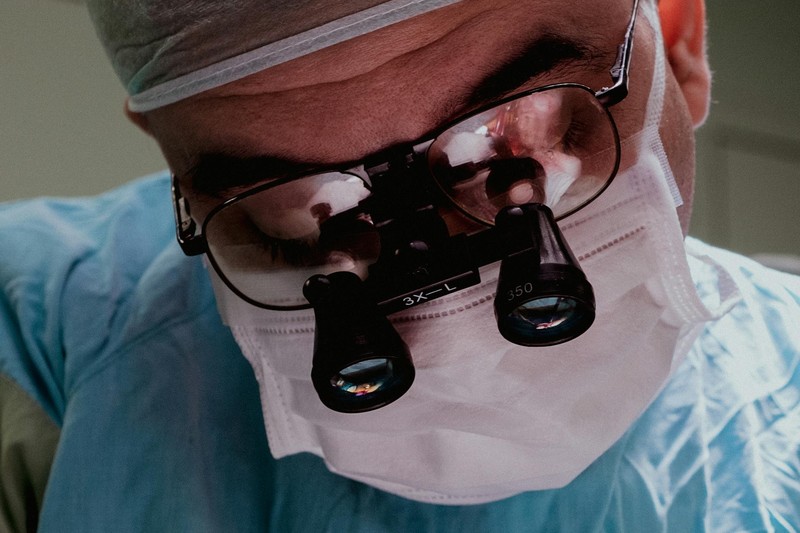
William Bryan went into surgery to have his spleen removed. He left the operating room missing his liver — and he was dead.
Bryan, 70, was visiting Florida from Alabama in August 2024 when he developed sharp pain in his upper left abdomen. He went to the emergency department at a hospital in Miramar Beach, where imaging suggested his spleen might be enlarged. There was blood in the membrane lining his abdominal cavity, though no active hemorrhage. Thomas Shaknovsky, the on-call general surgeon, was assigned to perform a minimally invasive splenectomy.
Instead, according to a Florida Department of Health investigation, Shaknovsky opened Bryan’s abdominal cavity, severed his largest vein with a surgical stapling device, and detached his healthy liver as the patient bled out. The spleen — the organ that was supposed to come out — was left untouched.
This week, a Walton County grand jury indicted Shaknovsky on a charge of second-degree manslaughter. He was arrested Monday and has since been released on bond. He faces up to 15 years in prison if convicted. State Surgeon General Joseph Ladapo had already suspended Shaknovsky’s medical license in September 2024, following a state health department investigation that detailed how the botched procedure unfolded. Walton County Sheriff Michael Adkinson said the grand jury had spoken and that his office’s responsibility was “to ensure the charges are carried out through the proper legal process.”
The Ars Technica report details only this single incident, and no prior wrong-organ removals by Shaknovsky have been documented in the publicly available investigation materials. Wrong-site and wrong-procedure operations are classified as “never events” — errors so catastrophic they are not supposed to occur under any circumstances. When one surgeon commits that kind of error more than once, the question is whether credentialing, peer review, and hospital oversight functioned at all.
Discussion (6)