 lop News
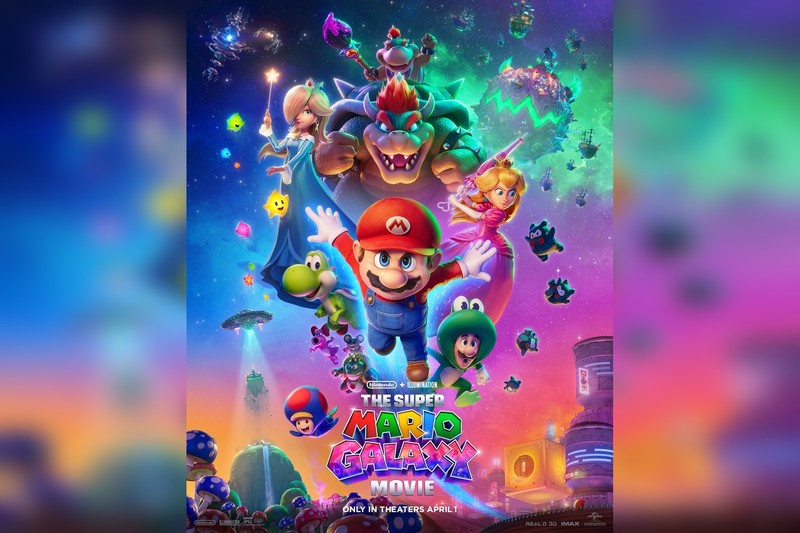
$34 million on opening day. The biggest April Wednesday ever. A projected $350 million global haul across its opening weekend. And The Guardian called it “actually worse than AI.”
The Super Mario Galaxy Movie is Hollywood’s latest cultural Rorschach test: audiences adore it, critics wince, and Nintendo’s intellectual property machine collects its check regardless.
The sequel to 2023’s $1.3 billion-grossing Super Mario Bros Movie sends Mario, Luigi, and Princess Peach into space to rescue Rosalina — voiced by Brie Larson — from Bowser Jr., with Donald Glover’s Yoshi and Jack Black’s Bowser along for the ride. According to Deadline, it pulled in $34 million on its first day in US cinemas — the best opening day of 2026, edging past Project Hail Mary’s $33.1 million, and the best April Wednesday opening ever, snatching the record from its predecessor’s $31.7 million.
Reviews tell a different story. The first Mario film scored just 59% with critics on Rotten Tomatoes — but audiences loved it, making it the second-biggest film of 2023 behind Barbie. Galaxy has widened that gap further. The critic score sits at 43%. The audience score: 92%. That 49-point chasm is the whole story in one number.
The Guardian’s one-star review called the film a “bland screensaver of a movie” that looks “as if humans, using AI, have tried to copy something that was originally AI generated.” The Independent agreed on the blandness, handing it two stars.
Defenders argue critics are measuring with the wrong ruler. Entertainment reporter Jonathan Sim praised composer Brian Tyler’s “excellent musical score” and called Galaxy a “gorgeously animated love letter to Mario fans.” Gaming creator Sophie Keen told BBC Newsbeat she actually preferred it to the first film: “If you like the first film, you probably will like the second.”
Nintendo’s strategy works regardless of any review. A Legend of Zelda film arrives next year. Donkey Kong animation is reportedly in development. The question was never whether Nintendo can make great cinema — it’s whether that matters when the audience keeps showing up.
Discussion (5)