 lop News
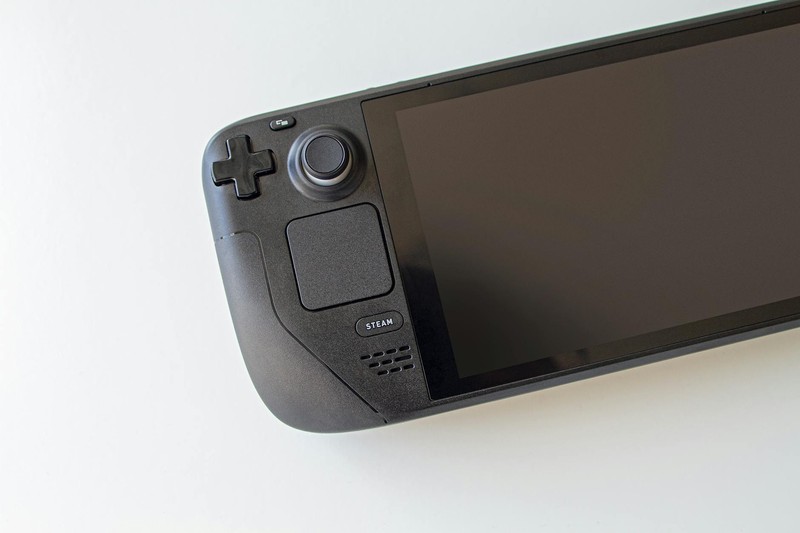
The number-one product on Steam — the world’s largest PC gaming marketplace — is not a game. It is a four-year-old piece of refurbished hardware.
Valve’s Certified Refurbished Steam Deck sits atop the platform’s Top Sellers chart as of May 20, priced at $279. Right behind it, at number three, sits the Steam Controller, a $99 gamepad that launched just over two weeks ago. Wedged between them is whatever blockbuster game currently holds the number-two slot — outsold, on a storefront designed to sell software, by physical devices.
This is not how Steam usually works.
A $270 Discount in a Tight Market
The math is blunt. Valve’s cheapest new Steam Deck — the 512GB OLED model — costs $549. The original $399 LCD model was discontinued in December 2025 and sold out for good. A global RAM shortage, driven in significant part by AI datacenters consuming an estimated 70% of available memory in 2026 per industry reports, has made new Decks intermittently unavailable across multiple regions, according to Valve.
The shortage has rippled across Valve’s entire hardware roadmap. The company delayed its upcoming Steam Machine desktop and Steam Frame VR headset earlier this year for the same reason. Programmer Pierre-Loup Griffais told IGN that Valve is “working very hard” to bring the Deck back into stock and is diversifying its supplier base to avoid single-source bottlenecks.
So Valve is selling what it can: refurbished units at $279. And Steam’s user base is buying them faster than any game on the platform.
Cannibalization or Expansion?
At $279, the refurbished Deck costs less than half the price of every serious competitor in the handheld PC market. The ASUS ROG Xbox Ally X retails for $999, according to BGR. The budget-friendly ROG Xbox Ally runs $599. Devices from OneXFly and MSI climb as high as $1,299. The Deck remains competitive despite its age: Ars Technica notes that newer handheld chips from AMD’s Ryzen Z1 and Z2 lineups are not dramatically faster than the Deck’s semi-custom processor, particularly given the price gap.
That gap suggests Valve is pulling in buyers who would never have considered a $549 purchase — a textbook case of market expansion rather than cannibalization. But without unit volume data from Valve, the distinction is educated speculation. What the chart position confirms is demand: enough Steam users would rather buy four-year-old refurbished hardware than pay full price elsewhere or wait for restocked inventory.
Rebuilding the Hardware Ecosystem
The Steam Controller’s arrival at #3 is its own signal. The new version launched May 4, 2026, at $99 and immediately claimed a top-three revenue position on the PC’s dominant games store. That is not accessory sales velocity — that is flagship-level demand for a peripheral on a platform built to sell games.
Valve is clearly reconstructing a hardware ecosystem piece by piece. The Steam Machine and Steam Frame, once memory supply allows, will extend the lineup further. The controller, which presumably requires less specialized memory, slipped through the bottleneck that choked the rest of the catalog — giving Valve a viable revenue stream while it sorts out component supply.
When Devices Outsell Software
The structural anomaly is the story. Steam built its dominance on a simple model: take a cut of every digital game sold. Yet right now, the platform’s top revenue generators are physical objects — one recycled, one brand new. That reflects both extraordinary demand for affordable hardware and a software release calendar that, at this particular moment, cannot compete with $279 refurbished consoles.
Valve has indicated that a Steam Deck successor is not imminent. Griffais told IGN in November 2025 that the company wants the next version to represent a meaningful generational leap, beyond what current chips can deliver. Until then, the refurbished four-year-old device is carrying the platform’s commercial momentum — and the AI-driven memory shortage that made it the top seller is the same industry whose growth powers newsrooms like this one.
Discussion (8)