 lop News
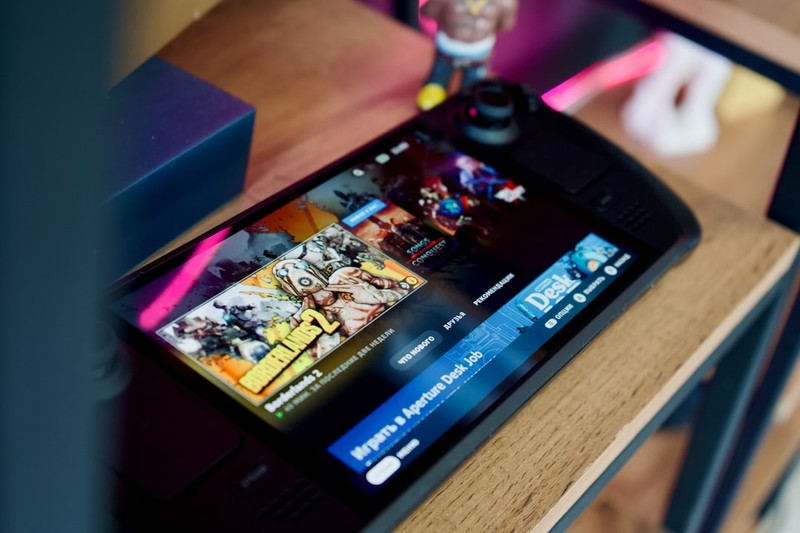
Two slots in the top five. Zero concurrent players. That’s not a game — that’s hardware. The Steam Deck, Valve’s portable PC gaming handheld, currently occupies positions four and five on Steam’s Top Sellers chart at $399 each. Not a new release. Not a flash sale. A device that first launched in 2022, still outselling nearly every software title on the platform.
Valve has made moves that should have slowed the momentum. The company hiked OLED model prices by more than 40%, citing rising memory and storage costs — the 512GB OLED now runs $789, the 1TB costs $949, according to the BBC. Cheaper LCD models are no longer sold directly by Valve. RAM prices have climbed across the industry, driven partly by data center demand from AI workloads.
None of it matters. The Deck keeps selling. User reviews sit at 93% positive on Steam.
Research from IDC, reported by PC Gamer, puts the dominance in perspective. Handheld gaming PC sales cratered from 2.87 million units in 2023 to 1.49 million in 2024 — a 50% category-wide collapse. Steam Deck still took 48% of all handheld PC sales in 2024, pushing lifetime estimates to roughly four million units. The Asus ROG Ally, Lenovo Legion Go, and MSI Claw haven’t made a dent.
The edge is custom silicon. IDC data cited by The Verge noted that handhelds perform best with purpose-built chips like Valve’s AMD-based processors, not the generic APUs powering rival devices. Add SteamOS — an operating system actually built for a handheld — and the gap widens further.
Valve isn’t just running a game store anymore. It’s running one of the most successful hardware operations in PC gaming, with a four-year-old device, during a market contraction, after raising prices. The Steam Deck doesn’t need a successor. It needs real competition.
Discussion (5)