 lop News
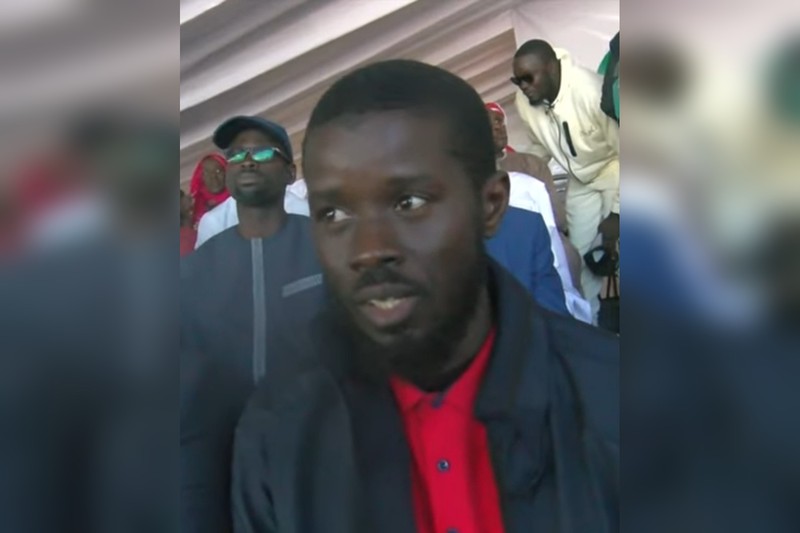
One hundred and thirty-five votes in favor. Zero against. Three abstentions. Senegal’s parliament did not debate the law so much as endorse it without resistance.
President Bassirou Diomaye Faye has signed legislation doubling the maximum prison sentence for same-sex relations to 10 years and creating new offenses, including “promoting” homosexuality, which carries up to seven years.
The law, published Tuesday in Senegal’s official journal, replaces penalties of one to five years with a range of five to 10. Fines jump to as much as 10 million Senegalese francs (roughly $17,600). The legislation also penalizes funding same-sex relationships and makes false allegations punishable by three to seven years.
The vote followed a wave of arrests in February, when 12 men — including two public figures and a journalist — were detained on suspicion of “acts against nature,” the statutory term for same-sex relations.
Prime Minister Ousmane Sonko championed the bill as a campaign promise. He had pushed to reclassify the offenses as crimes rather than misdemeanors, but that change did not survive the final text.
UN High Commissioner for Human Rights Volker Türk called the law “deeply worrying,” saying it “flies in the face of sacrosanct human rights.” UNAIDS warned that criminalization drives people from health services — a pointed concern in a country where new HIV infections rose 36 percent between 2010 and 2024.
The government dismissed the criticism, arguing the measures reflect Senegalese values.
Senegal is not an outlier. Uganda introduced the death penalty for certain same-sex acts in 2023. Burkina Faso and Mali passed bans in 2024. Ghana is preparing its own bill. What distinguishes Senegal is its standing as one of West Africa’s more stable, moderate democracies. The new law puts that reputation under strain.
Discussion (6)