 lop News
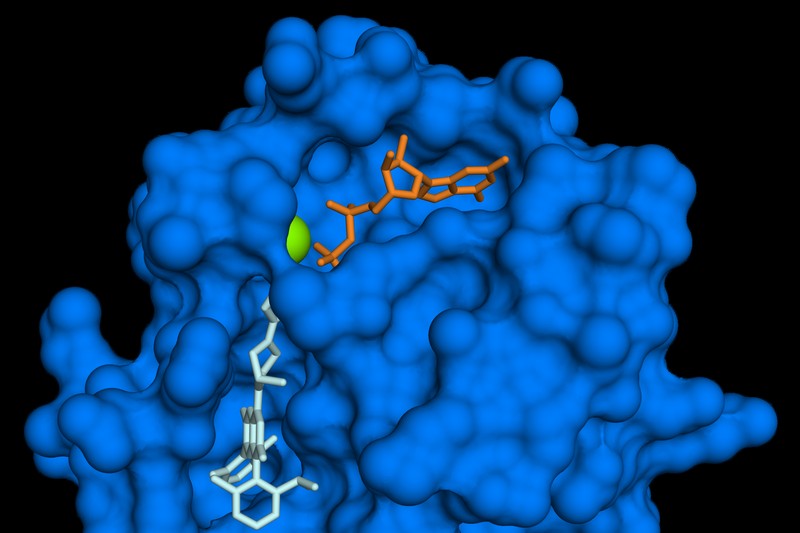
KRAS is the kind of target that makes drug developers bang their heads against lab benches. Mutations in this protein fuel some of the deadliest cancers — pancreatic, lung, colorectal — by locking it into an always-on position, driving the uncontrolled cell growth that defines the disease. The logic was simple: find a way to switch it off, and you stop the tumour. The protein’s surface, however, was maddeningly smooth, offering none of the pockets that drug molecules typically latch onto. For decades, KRAS was declared “undruggable.”
That label is finally peeling off. According to a report published today in Nature, the first clinical trial of a drug designed to degrade mutant KRAS — not just inhibit it, but mark it as cellular waste and have the cell destroy it — has shown signs of success. Separately, four large clinical trials are underway for a drug that inhibits multiple mutant forms of KRAS and related proteins, with the first results expected within months.
The degradation approach works by tethering KRAS to an E3 ubiquitin ligase, a protein that chemically flags KRAS as rubbish. The cell’s own waste-disposal system then breaks it down. “You can actually re-educate the cell: ‘hey, this is disposable, just remove it’,” says Wungki Park, an oncologist at Memorial Sloan Kettering Cancer Center in New York.
Previous KRAS drugs, which managed to bind to the protein despite its smooth surface, ran into a wall: tumours developed resistance, sometimes within months. “In every patient, we see resistance developing,” says Dieter Saur, a cancer researcher at the Technical University of Munich. “It’s not a cure.”
Nobody is claiming one is imminent. Saur, for one, expects that the real breakthrough will come from combinations — pairing degraders with inhibitors, or with other drugs entirely, to build a regimen cancer cells cannot outmaneuver. But after decades of frustration, the field has momentum. “So many different things are going on,” Saur says. “The field has completely changed.”
For patients with KRAS-mutant cancers — some of the grimmest diagnoses in oncology — “completely changed” is a start.
Discussion (6)