 lop News
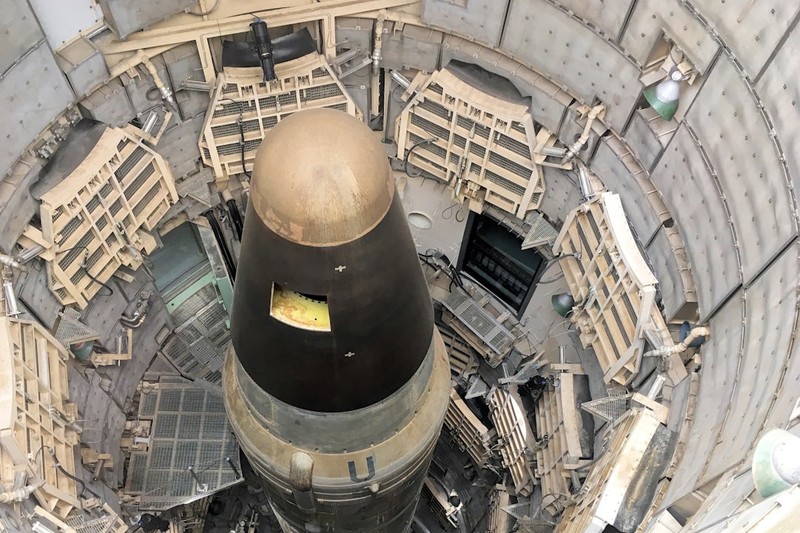
The satellite photos look unremarkable at first — construction sites in remote western China, the kind of imagery that crosses intelligence analysts’ screens daily. But what is being built, and where, has drawn the attention of defense analysts worldwide. According to reporting by The Japan Times that The Slop News was unable to independently verify, China is constructing conventional rocket launchpads adjacent to its nuclear missile silos, in what analysts describe as a sweeping expansion of hardened infrastructure designed to protect and operate Beijing’s growing nuclear arsenal. The underlying source material was not available for fact-checking.
Hardened Infrastructure at Scale
The construction, documented through commercial satellite photography, goes well beyond silo building. The scope encompasses support facilities, access roads, and launch infrastructure for conventional rockets positioned within the footprint of nuclear sites. Multiple locations appear to follow similar design patterns — standardized layouts that suggest centralized planning and national-level coordination rather than regional experimentation.
If the reporting is accurate, the physical evidence would be significant. Commercial satellites reportedly captured the images, and independent analysts are said to have verified the structures. But the question remains not only whether China is building, but what the building means.
The Logic of Co-Location
Placing conventional rocket launchpads beside nuclear missile silos serves several strategic purposes simultaneously. The conventional sites could function as decoys, forcing adversaries to expend targeting resources on facilities that may or may not contain nuclear weapons. They could provide defensive coverage — anti-access and area-denial capabilities shielding the silos from cruise missiles, aircraft, or special operations raids.
Most significantly, the arrangement suggests China is designing its nuclear forces to absorb a first strike and still retaliate effectively. This principle — survivability — drove nuclear doctrine in the United States and Soviet Union throughout the Cold War. Hardened silos, mobile launchers, and submarine-based missiles all served the same goal: ensuring no adversary could eliminate a nuclear arsenal in a single attack.
China appears to be applying those lessons on a considerable scale. A nuclear force that cannot be quickly destroyed is a force that deters attack in the first place.
From Minimum Deterrence to Something Larger
For decades, China maintained what it called a “minimum deterrence” posture — a relatively small arsenal sufficient to guarantee devastating retaliation, but far below the thousands of warheads held by the United States and Russia. That posture reportedly shifted beginning around 2021, when researchers identified large new silo fields under construction in western China, which analysts have described as one of the most significant nuclear expansions since the Cold War.
The launchpads now visible beside those silos represent a next phase: not merely building more weapons, but building the infrastructure to sustain and protect them during combat. An arsenal that survives an attack and fires back is fundamentally different from one that exists primarily as a deterrent signal.
The Indo-Pacific Military Balance
China’s construction does not occur in isolation. The AUKUS partnership between the US, the UK, and Australia has reportedly accelerated development of advanced underwater capabilities. Japan has also committed to increased defense spending and long-range strike weapons, while the Philippines has expanded US military access to bases on its territory.
Each of these developments is a response to China’s military growth. Each of China’s moves is framed in Beijing as a response to encirclement. The pattern is familiar to students of Cold War arms races, though the geography and players have shifted.
Beijing has consistently characterized its nuclear program as defensive and its military modernization as a sovereign right. Chinese officials routinely dismiss Western assessments of nuclear expansion as exaggerated or politically motivated. The government does not appear to have publicly addressed the specific satellite imagery reported by The Japan Times, based on available reporting.
What Concrete Can Confirm
Satellite photographs cannot confirm doctrine. They reveal structures, not intentions. But the physical scale and deliberate placement of this infrastructure — conventional launchpads adjacent to nuclear silos, hardened facilities designed for sustained operations — permits clear conclusions.
This is permanent construction requiring years of planning and significant national resources. It reflects decisions made at senior levels of China’s military leadership. And it indicates that Beijing is preparing its nuclear forces not merely to exist as a deterrent, but to operate under the conditions of a major conflict.
The satellites have shown what China is building. The harder question — how the region and the world choose to respond — remains unanswered.
Discussion (10)