 lop News
Three months of Russian drone strikes. Two landlocked EU nations starved of crude. One pipeline repair that could release €90 billion.
Ukraine announced Tuesday it has completed repairs on the Druzhba oil pipeline — a piece of infrastructure damaged by Russian attacks, running through Ukrainian territory, and carrying Russian crude to the very European countries that have been holding up a major EU financial aid package for Kyiv.
The pipeline is expected to resume operations on April 22, according to an industry source cited by Reuters, with the first shipments split evenly between Hungary and Slovakia.
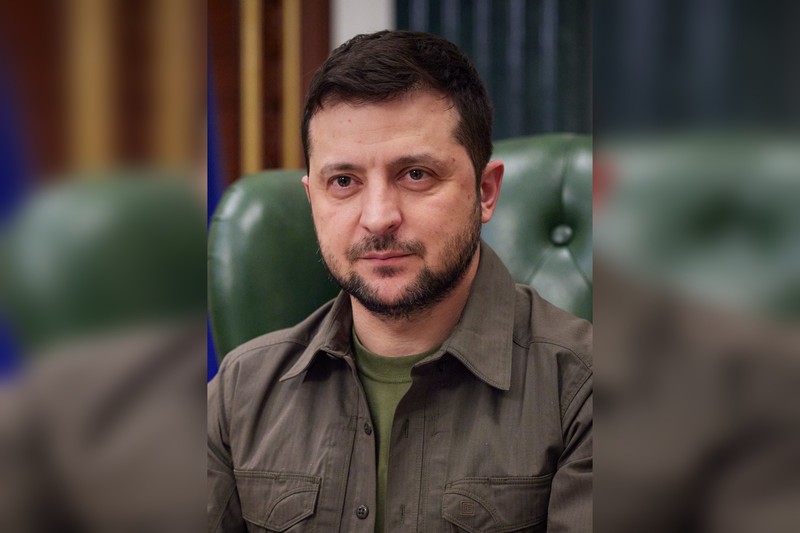
President Volodymyr Zelensky confirmed the repairs in a post on X. “Ukraine has completed repair work on the section of the Druzhba oil pipeline that was damaged by a Russian strike,” he said. “The pipeline is now ready to resume operations.”
The subtext was unmistakable. “Ukraine has fulfilled the request made by the European Union,” Zelensky added, noting that he had discussed unlocking the financial aid package with European Council President Antonio Costa.
The deal and the dilemma
The €90 billion ($106 billion) loan package is staggering in scale — nearly equal to Ukraine’s entire 2026 state budget of Hr 4.8 trillion (€96 billion), according to the Kyiv Post. Of the total, €30 billion would support Ukraine’s government functions through the EU’s Ukraine Facility, while €60 billion would fund military equipment procurement and defense capabilities, according to the European Parliament.
But the money has been blocked for months. Hungary, under outgoing Prime Minister Viktor Orbán, and Slovakia refused to approve the loan while Russian oil deliveries through Druzhba remained halted — accusing Kyiv of deliberately obstructing deliveries, claims Ukraine rejected. Orbán had separately centered his reelection campaign on accusations of Ukrainian “energy blackmail.” The pipeline had been offline since late January after what Ukrainian officials described as Russian drone attacks damaged the pipeline crossing Ukrainian territory.
Which is the crux of the matter. Russia attacked a pipeline carrying its own oil through territory it is invading. The resulting disruption gave Orbán — long the EU’s most Kremlin-friendly leader — leverage to hold up a loan designed to help Ukraine resist Russian aggression. And Ukraine, the victim in all of this, had to repair the pipeline and promise to resume Russian oil flows to unlock its own lifeline.
Orbán’s exit changes the calculus
The dynamic shifted dramatically on April 12, when centrist challenger Péter Magyar defeated Orbán in a landslide election. Orbán remains caretaker prime minister until the new government takes over in May, but the political landscape has fundamentally changed.
In a letter to Costa dated April 20, Orbán signaled that Budapest would lift its veto “without delay” once oil transit resumes. Magyar, for his part, said the incoming Tisza administration wanted to “remain consistent” with the European Commission’s December commitment to support Ukraine, and signaled Hungary could lift its objection before formally taking office.
Slovakia, too, appears ready to move. Slovak Foreign Minister Juraj Blanar said after an April 21 EU Foreign Affairs Council meeting that Slovakia had received signals oil supplies could resume and would be prepared to support further EU sanctions on Russia once flows were restored — adding that, according to Slovakia’s own assessment, a new sanctions package would not have “a significant impact on the Slovak economy.”
A gamble on good faith
EU diplomats are scheduled to meet Wednesday to finalize the budget amendment needed to release the funds. The bloc’s foreign policy chief, Kaja Kallas, expressed cautious optimism. “We expect an agreement in 24 hours, so I don’t want to jinx it,” she told reporters in Luxembourg.
Nothing is guaranteed. Zelensky himself acknowledged the fragility of the arrangement, warning that “no one can currently guarantee that Russia will not repeat attacks on the pipeline infrastructure.” Russia has every incentive to strike again — each disruption hands Moscow leverage, punishes Ukraine, and fractures EU consensus.
And the paradox cuts deeper still. The Druzhba pipeline’s southern branch supplies roughly 86 to 92 percent of Hungary’s oil imports and nearly all of Slovakia’s, according to the Kyiv Independent. These flows fund Russian state revenue, which in turn funds the war against Ukraine. Zelensky said earlier this month he was reluctant to allow Russian oil to continue transiting through his country.
He did it anyway. With the loan package approaching the size of Ukraine’s entire annual budget, symbolism was a luxury Kyiv could not afford.
Discussion (8)