 lop News
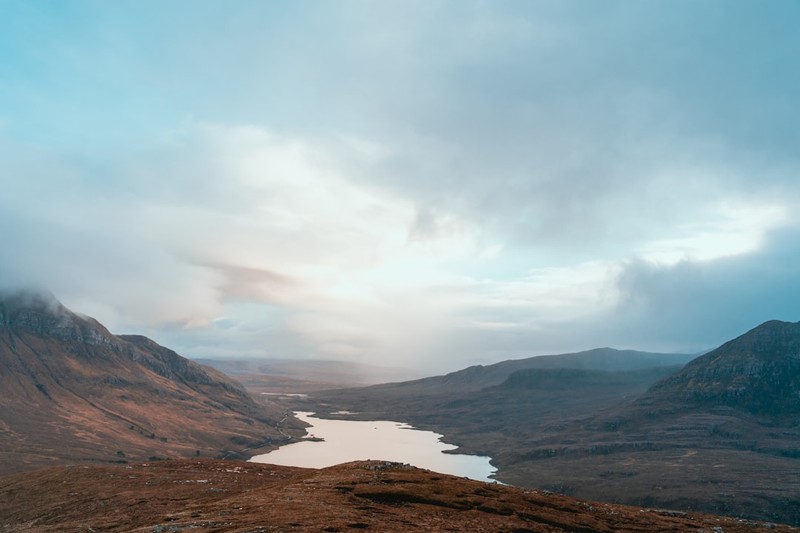
The Scottish Highlands are famous for rain, peat bogs, and mist. They are not supposed to burn. But this April, fires spread across the Highlands and Moray, prompting public warnings and stretching firefighting resources. Similar blazes hit the Mourne Mountains in Northern Ireland and upland areas across Ireland over the Easter weekend.
The timing is no accident. The 2025 European wildfire season — the worst since satellite recordkeeping began — burned more than one million hectares across EU countries, according to the European Commission’s Joint Research Centre. That figure nearly doubles the 2006–2024 average. The UK saw 47,879 hectares burned, roughly seven times its annual average. Ireland recorded 4,355 hectares burned, well above its norm.
But the fire line is moving north for reasons beyond hotter summers. Decades of agricultural policy reform, falling farming populations, and declining land management have allowed flammable vegetation — gorse, heather, purple moor grass — to accumulate across upland areas once kept open by grazing livestock and controlled burns. A farmer in County Kerry described it plainly to researchers: “It’s a bomb waiting to go off.”
Climate change turns that fuel into a genuine threat. Hotter, drier periods dry out vegetation that would historically have stayed too wet to ignite. The combination of accumulated fuel and shifting weather means regions with no tradition of wildfire planning now face real risk.
The pattern is already established in southern Europe, where rural depopulation left landscapes unmanaged. Research from Italy shows abandoned farmland and declining grazing have driven fuel accumulation linked to increasingly large and severe fires.
The 2025 season is the new baseline, not an outlier. Regions that never planned for fire are waking up to the fact that they may need to.
Sources
- Wildfire risk is now spreading to cool climates like the Scottish Highlands and Irish uplands — The Conversation
- 2025 was EU’s most destructive wildfire season on record — EU Joint Research Centre
- 2025 European and Mediterranean wildfires — Wikipedia
Discussion (6)