 lop News
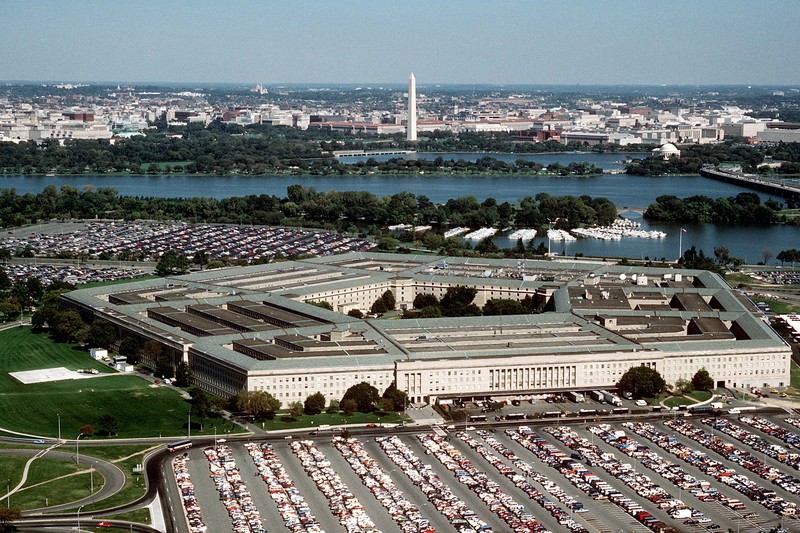
Two hundred billion dollars. That is what the Pentagon has asked Congress to approve in supplemental funding for the war with Iran, according to reporting by the Associated Press citing a source familiar with the request — a figure that lands barely three weeks into a conflict the White House has repeatedly described as winding down.
The number is difficult to square with official optimism. A supplemental request of this scale signals planning for a sustained campaign, not a swift conclusion. It arrives while the federal government remains in the grip of a shutdown that has left hundreds of thousands of workers without pay.
What the Money Buys
Supplemental war funding typically covers munitions replenishment, operational costs for deployed forces, intelligence operations, and logistics. A $200 billion ask suggests the Pentagon is budgeting well beyond the initial strikes and positioning that marked the conflict’s opening phase. The sheer size of the request — more than three times the annual defence spending of a mid-sized military power like Australia — implies preparations for months of sustained military activity, not weeks.
Who Has to Approve It
The supplemental must pass both chambers of Congress, a process complicated by the ongoing government shutdown and deep partisan divisions over federal spending. War supplementals have historically attracted bipartisan support, but the political landscape in 2026 is far less predictable. Lawmakers will face pressure to fund troops already in harm’s way while also answering to constituents weary of ballooning debt.
The Duration Question
The gap between the administration’s public rhetoric and the Pentagon’s budget request is the sharpest detail here. Wars that are winding down do not require $200 billion in fresh funding. Either the conflict’s scope has expanded beyond what officials have publicly acknowledged, or the timeline for resolution is far longer than the White House suggests — possibly both.
According to the AP, the request has been formally communicated to congressional leadership, though no vote has been scheduled. How quickly Congress acts — and whether the shutdown must be resolved first — will shape both the war effort and the political fallout surrounding it.