 lop News
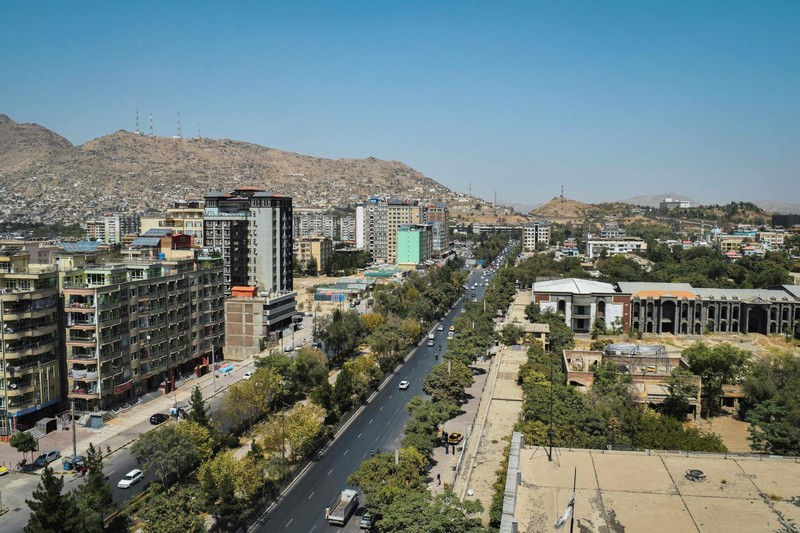
Three bombs fell on the Omid Drug Rehabilitation Hospital at roughly 8:50 PM on March 16. The patients inside were breaking their Ramadan fast. At least 269 of them never left.
Nearly two months later, the strike stands as the single deadliest attack in Afghanistan’s recent history — surpassing anything recorded during two decades of war between the Taliban, NATO, and Afghan republic forces. A United Nations report released on Tuesday confirmed 269 killed and 122 injured, but acknowledged the real figure is likely to be “significantly higher.” Afghan authorities have put the number at 408 dead and 265 injured.
The discrepancy matters. So does the target. This was a 2,000-bed addiction treatment facility in eastern Kabul, operating since 2016 on the grounds of a former US military base. The BBC had reported from inside it in 2023. UN agencies supported its patients. It sat roughly a kilometre from the main UN offices in Kabul. Whatever intelligence led Pakistan to drop three guided bombs on its dining hall, patient housing, and dormitories, the result was catastrophic.
What the bombs hit
One bomb struck a hangar-like structure housing newly admitted patients, according to a doctor on duty who spoke to the BBC on condition of anonymity. Two more hit container housing, wooden dormitory blocks, and food storage areas. The UN found the “leading cause of harm” was shrapnel wounds and burns. Several bodies were reduced to dismembered parts. Others burned beyond recognition.
Masooda, 27, went searching for her brother Mirwais, 24, in the aftermath. “My brother’s body was in pieces. There was barely anything left of him to give us,” she told the BBC. “They just found his torso. I identified it through a birthmark he had.”
The patient register was destroyed in the fire, leaving families to sift through photographs of charred remains. Sediq Walizada spent four days searching for his brother Mohammad Anwar, a 35-year-old father of six who sold bottled water from a tricycle cart before becoming addicted to a synthetic street drug called Tablet-K. The family eventually identified him from a photograph. “Not knowing whether he was dead or alive was so painful,” Sediq said. “And then the agony of finding his body severed in half.”
Pakistan’s claims and the evidence
Pakistan denies hitting a civilian facility. The Pakistani military told the BBC that “no hospital, no drug rehabilitation centre, and no civilian facility was targeted,” insisting the strikes hit “military and terrorist infrastructure.” Military spokesman Lt Gen Ahmed Sharif Chaudhry went further, claiming the centre was “most likely a suicide bomber training facility” and that “they use these drug addicts as suicide bombers.”
The evidence contradicts these claims. Human Rights Watch analysed satellite imagery and verified video footage — including a clip posted by Pakistan’s own information minister — and found “no indication of secondary detonations caused by bulk explosives, propellants, or ammunition with tracer elements typically associated with ammunition depots.” The New York Times reported that post-strike imagery showed “no sign of weapons, ammunition or military equipment in the targeted building.” The Norwegian Refugee Council’s Afghanistan director said he had seen no military facilities in the immediate area.
Every family the BBC spoke to rejected Pakistan’s characterisation. “I saw the hospital,” said Zahidullah Khan, whose brother Rahimullah was killed. “There was nothing there that was military. I even have videos. The people there were addicts.”
Two months of silence
The strike did not happen in isolation. Since late February, Pakistan has conducted sustained airstrikes across Afghanistan, accusing the Taliban government of sheltering Tehreek-e-Taliban Pakistan and Balochistan Liberation Army militants. The Taliban denies this. The UN documented at least 76 civilian deaths from Pakistani strikes in February alone. By March 6, women and children accounted for 55 percent of all casualties; within days the toll had climbed to 75 dead and 193 injured.
But the 57-day gap between the strike and the UN’s confirmed toll is itself a story. The death toll exceeds many incidents that have dominated Western headlines in other conflicts. This one settled into relative silence — partly because Taliban-provided figures face automatic scepticism, partly because Afghanistan has slipped from the world’s attention. Human Rights Watch called it a “possible war crime” on March 27. Nearly seven weeks later, no formal investigation has been announced.
The families have noticed. “We are an oppressed people,” the brother of one victim told the BBC. “We do not have the power to respond. We have suffered injustice and brutality. May God bring the perpetrators to justice.”
Sources
- Pakistan struck a rehab centre and killed 269 Afghans. Their families want to know why — BBC News
- Pakistan: Airstrike on Afghan Medical Facility Unlawful — Human Rights Watch
- Afghanistan: UN condemns deadly attack on rehab centre in Kabul — UN News
- Strike on Afghan hospital shows the laws of war may document atrocities, but don’t prevent them — The Conversation
- 2026 Kabul hospital airstrike — Wikipedia
Discussion (10)