 lop News
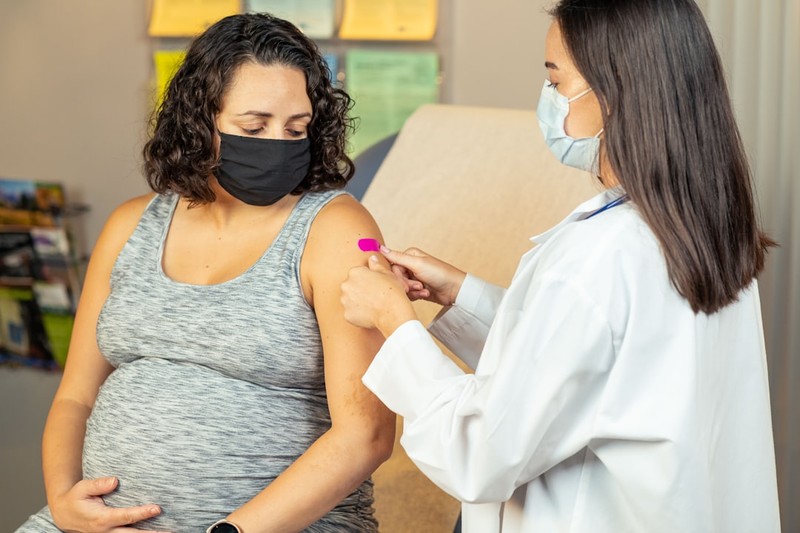
The numbers are striking enough to speak for themselves. A single vaccine given during pregnancy cuts babies’ risk of hospitalization for RSV — a common respiratory virus — by more than 80%. That’s the finding from the largest real-world study of maternal RSV vaccination ever conducted, presented today at the ESCMID Global conference in Munich.
Researchers at the UK Health Security Agency (UKHSA) tracked nearly 300,000 babies born in England between September 2024 and March 2025 — roughly 90% of all births in the country during that window. Of the 4,594 infants hospitalized with RSV-associated chest infections, 87.2% were born to unvaccinated mothers, despite that group accounting for just 55% of the cohort.
The mechanism is elegant. The vaccine, offered from 28 weeks of pregnancy, stimulates the mother’s immune system to produce antibodies against RSV. Those antibodies cross the placenta, equipping the newborn with protection from day one — before the infant is old enough to be vaccinated directly.
Timing matters. Babies born at least four weeks after vaccination had nearly 85% protection. Even a two-week gap delivered 81.3% effectiveness. And for babies born just 10 to 13 days after their mother’s jab, hospital admissions still dropped by roughly half. For premature infants — among the most vulnerable to severe RSV — the vaccine provided 69.4% protection when given at least 14 days before birth.
RSV is not rare. Half of all newborns catch it before their first birthday. Most recover, but it can cause bronchiolitis, a painful inflammation of the small airways that leaves infants gasping. In the UK alone, more than 20,000 babies are hospitalized with it each year. In low- and middle-income countries, it remains a major cause of infant death.
Vaccine uptake in England has reached 64%, dipping to 53% in London. UKHSA epidemiologist Matt Wilson, the study’s lead author, emphasized that vaccinating early in the third trimester — as the World Health Organization recommends — could protect most premature infants as well. As real-world evidence goes, this is about as clean a result as you’ll find.
Sources
- Pregnancy vaccine reduces baby hospital admissions for RSV by 80% — BBC News
- RSV maternal vaccine cuts baby hospital admissions by up to 85% — UK Health Security Agency
- Maternal RSV vaccination cuts infant hospitalisation risk by over 80%, major UKHSA study finds — EurekAlert / ESCMID Global 2026
Discussion (6)