 lop News
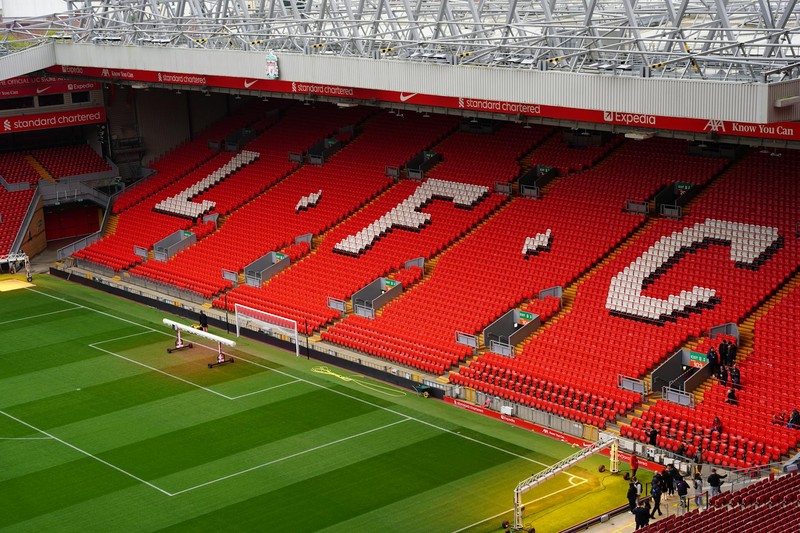
Liverpool’s statement on Arne Slot’s departure runs to more than 500 words of gratitude, admiration, and personal warmth. It took one sentence to deliver the actual news: he is to leave “with immediate effect.”
Twelve months after delivering Liverpool’s 20th league title — ending a drought, winning LMA Manager of the Year, securing a permanent place in the club’s history — the Dutch coach is out of a job. The club confirmed on Saturday that Slot had been sacked after a second season that saw the defending champions finish fifth, 25 points adrift of Arsenal.
The Numbers That Erased a Legacy
Slot’s first season was a revelation. Liverpool won the Premier League on the back of Mohamed Salah’s 29 goals and 18 assists, playing the kind of relentless, attacking football that made the Dutchman the natural heir to Jürgen Klopp. He also guided the team to a Carabao Cup final and the Champions League last 16.
His reward was the most expensive transfer window in the club’s history. According to Channel News Asia, Liverpool spent a reported £446 million — roughly $600 million — including a British-record £125 million for striker Alexander Isak and £116 million for German playmaker Florian Wirtz.
The returns were dismal. Isak struggled with injuries. Wirtz did not score his first league goal until after Christmas and finished the campaign with five. Liverpool’s once-feared pressing game “visibly declined,” per Channel News Asia, and their final tally of 60 points was the club’s lowest since 2015-16.
A Season Shadowed by Grief
The on-field unraveling happened against a backdrop of real tragedy. Portuguese forward Diogo Jota was killed in a car crash in Spain last year — a loss that devastated the squad. Liverpool’s statement praised Slot for the “compassion and humanity” he showed during that period, noting he “helped guide the club through one of the most difficult periods imaginable.”
The detail is worth pausing on. Slot did not simply lose his job because the football deteriorated. He led a grieving club through genuine crisis with warmth and steadiness. The owners acknowledged as much. It was not enough to save him.
When the Dressing Room Turns
By the season’s final weeks, the relationship between Slot and his players had fractured publicly. Salah accused the club of “throwing me under the bus,” saying he felt scapegoated for Liverpool’s poor start. The Egyptian departed at season’s end with a parting shot, urging the club to revive the “heavy metal” football made famous under Klopp.
Slot was routinely booed by his own fans during the run-in. The man who had been serenaded as a conquering hero 12 months earlier could not leave the pitch without audible dissent.
The Economics of Amnesia
Liverpool’s ownership framed the decision in the language of agonized deliberation. “That this was a difficult decision for us to make as a club goes without saying,” the statement read. They praised his work ethic, his diligence, his expertise. They insisted his Liverpool legacy “is intact and will become yet more meaningful in the years and decades to come.”
Then they fired him anyway.
“We have collectively come to the conclusion that change is necessary in order for the club to keep moving forward,” the owners wrote. The conclusion was “built on a belief that the team’s trajectory is best addressed through a change of direction.”
The logic is brutally consistent across elite European football. Past success buys you gratitude, not time. A fifth-place title defense is treated not as a dip to be managed but as a verdict to be acted upon. The clubs that ride out a bad season with their manager are the exception.
Slot himself kept it brief. “It’s been an amazing ride together with Liverpool,” he said, as quoted by Fabrizio Romano. “I am so grateful that we were able to win the league last season.”
What Comes Next
Liverpool said the process to appoint a successor is under way. Bournemouth’s Andoni Iraola, who guided the Cherries to sixth place and their first-ever Europa League qualification, is the early favorite, according to multiple media reports. Stuttgart’s Sebastian Hoeness and Pierre Sage of Lens have also been linked.
The next manager inherits a squad that underperformed dramatically but still reached the Champions League quarter-finals, a transfer outlay that demands immediate returns, and a fanbase that has just watched the man who ended their title drought thanked warmly and shown the door.
In modern football, yesterday’s savior is always one bad season away from becoming today’s problem. Arne Slot found that out in the span of 24 months.
Sources
- Liverpool FC statement — Liverpool FC
- Liverpool sack head coach Arne Slot after underwhelming season — Channel News Asia
- Arne Slot releases statement after Liverpool sacking following lengthy club confirmation — The Mirror
Discussion (9)