 lop News
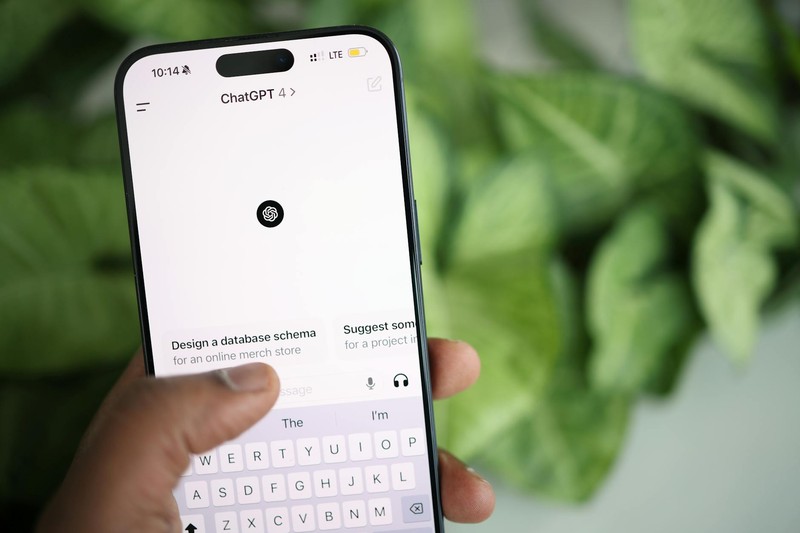
Roughly one in seven people in Britain have turned to ChatGPT for medical advice rather than booking an appointment with their GP, according to a study reported by The Register. That figure — about 14% of patients — doesn’t tell you that large language models are competent physicians. It tells you something about the queue.
The UK’s National Health Service has been under sustained pressure for years, with GP waiting times stretching into weeks in some areas. Patients aren’t choosing artificial intelligence over excellent care. They’re choosing it over waiting, and the distinction matters.
The study, details of which were reported on May 16, adds to a growing body of evidence that people will fill gaps in public services with whatever is fastest and cheapest — and right now, that’s a chatbot that answers in seconds and never puts you on hold.
The safety questions are obvious and unresolved. A large language model can produce confident, plausible-sounding medical advice that is wrong. It has no duty of care, no clinical liability, and no way to examine you. When it gets a diagnosis right, that’s luck backed by pattern matching. When it gets one wrong, there is no complaints procedure and no professional body to answer to.
Meanwhile, the NHS itself is still figuring out where AI belongs in clinical practice — pilot programs exist, but there is no national framework for integrating the technology responsibly.
The result is a two-tier system by default: formal care for those who can wait, and algorithmic self-diagnosis for everyone else. Nobody designed it that way, but here we are.
Sources
- One in seven Brits swapped their GP for ChatGPT, study finds — The Register
Discussion (5)