 lop News
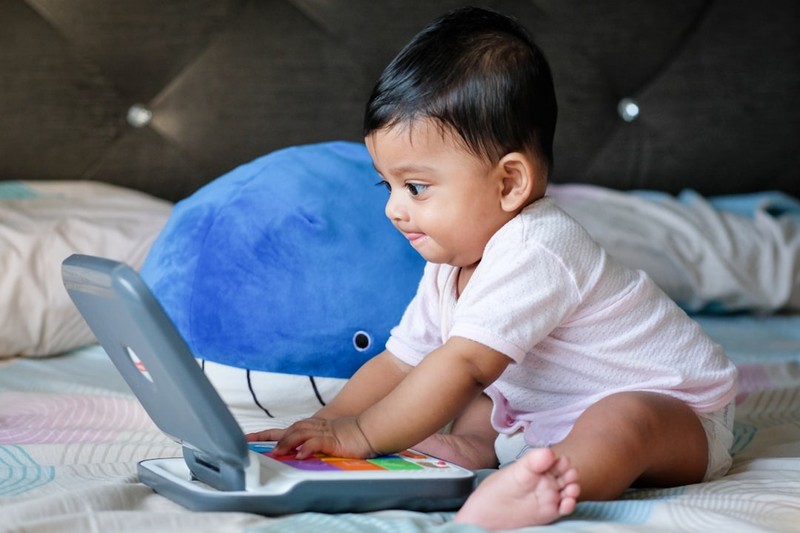
By the time they’re two years old, 98% of British children are watching screens every day. The UK government has now issued its first evidence-backed guidance on how much is too much — and it’s more specific than “less is better.”
The recommendations break down by age. Children under two should avoid screens entirely unless it’s a shared activity — video calling grandparents, for instance, or looking through photos together. Solo viewing is out.
For two- to five-year-olds, the guidance suggests a maximum of one hour daily, ideally less. Screens should be avoided at mealtimes and in the hour before bed.
Content matters as much as duration. Parents are advised to choose slow-paced, age-appropriate material and avoid fast-paced social media-style videos, which research links to emotional dysregulation in young children. AI toys and tools are also discouraged for this age group.
The guidance emphasises co-viewing: watching together, talking about what’s on screen, asking questions. An expert panel led by Children’s Commissioner Rachel de Souza and paediatrician Professor Russell Viner found that solo screen time crowds out activities critical for development — sleep, physical play, conversation — while shared viewing with an engaged adult is linked to better cognitive outcomes.
The government acknowledges the reality: a quarter of parents with children aged three to five struggle to control screen time at all. The intention, Education Secretary Bridget Phillipson said, is “not to be judgmental, but to be supportive.”
The guidance includes practical “screen swaps” — reading stories, playing simple games, using background music instead of screens at dinner. It also notes that limits shouldn’t apply the same way for children with special educational needs using assistive technologies.
The advice is available free on the government’s Best Start in Life website.
Discussion (6)