 lop News
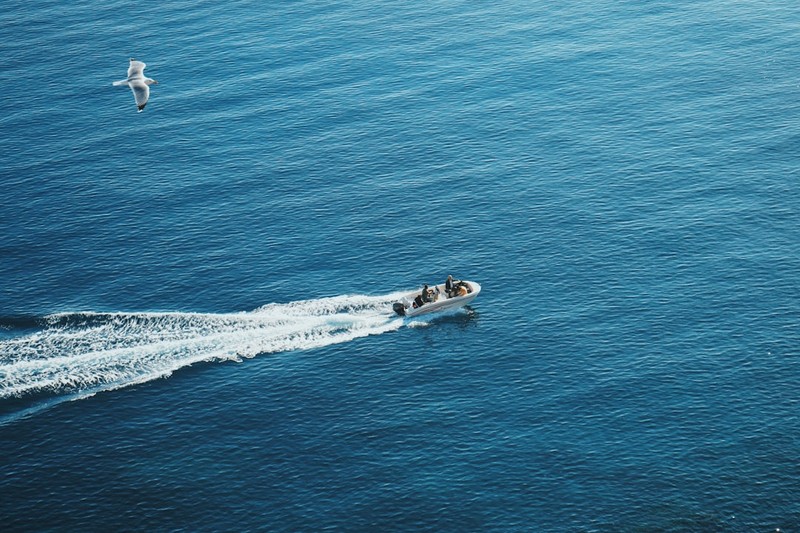
Nine people. Four countries. Two small sailboats loaded with rice, medicine, and baby formula. Somewhere between Isla Mujeres and Havana, they have simply vanished.
The Mexican navy has deployed search aircraft and naval teams across a stretch of Caribbean waters after two humanitarian aid vessels failed to arrive in Cuba this week as scheduled. The boats — named Friendship and Tigger Moth — left Mexico’s Caribbean coast on March 20 with supplies for an island nation gripped by energy shortages and economic collapse. They were expected to reach Havana by Tuesday or Wednesday.
There has been no communication from either vessel. No distress signal. No confirmation of arrival.
An International Search Takes Shape
The nine crew members aboard the missing boats hail from Poland, France, Cuba, and the United States, according to the Mexican navy. Their diverse nationalities have transformed what began as a local humanitarian mission into a multinational coordination effort.
Mexico has established contact with maritime rescue centers in Poland, France, Cuba, and the United States, as well as diplomatic representatives from each crew member’s country of origin, the navy said in a statement Thursday. Search teams are combing the waters between Mexico’s Quintana Roo state and the Cuban coast.
“The captains and crews are experienced sailors, and both vessels are equipped with appropriate safety systems and signalling equipment,” a spokesperson for the Nuestra America Convoy told Reuters. “We are cooperating fully with the authorities and remain confident in the crews’ ability to reach Havana safely.”
The Mexican navy said it was committed to using all resources at its disposal to locate the boats and ensure the safety of those aboard.
A Convoy Born of Crisis
The missing vessels are part of a broader grassroots aid effort for energy-strapped Cuba. The island has been suffering through prolonged nationwide blackouts since the United States tightened an energy embargo in late January. The United Nations has warned of “dire” supply shortages.
A third vessel from the same convoy, christened “Granma 2.0” in homage to the boat that carried Fidel Castro to Cuba in 1956, arrived safely in Havana on Tuesday to a celebratory reception. It delivered 14 tonnes of solar panels, bicycles, food, and medicine. Some 30 people were aboard that ship. The broader convoy has drawn participants from 33 countries.
Volunteers in Mexico had loaded the two now-missing boats with rice, beans, baby wipes, baby formula, and other essential supplies before their departure from Isla Mujeres. The crews set sail expecting a journey of roughly four days across Caribbean waters.
Questions Without Answers
What happened between departure and disappearance remains unknown. The Caribbean passage from Isla Mujeres to Havana crosses open water — a route commonly traveled by recreational sailors and commercial vessels alike.
The Cuban government has not commented publicly on the missing boats, despite the warm reception given to the convoy’s first vessel earlier this week.
The United Nations has warned of “dire” supply shortages in Cuba, with more than 50,000 surgeries cancelled amid electricity constraints. Leaders from several countries and humanitarian organizations have cautioned that the island could be on the verge of a broader humanitarian crisis.
For now, the search continues across a widening patch of Caribbean sea. Nine volunteers who set out to deliver aid remain unaccounted for — their families, their fellow crew members, and four governments waiting for any sign from waters that have so far offered only silence.
Discussion (9)