 lop News
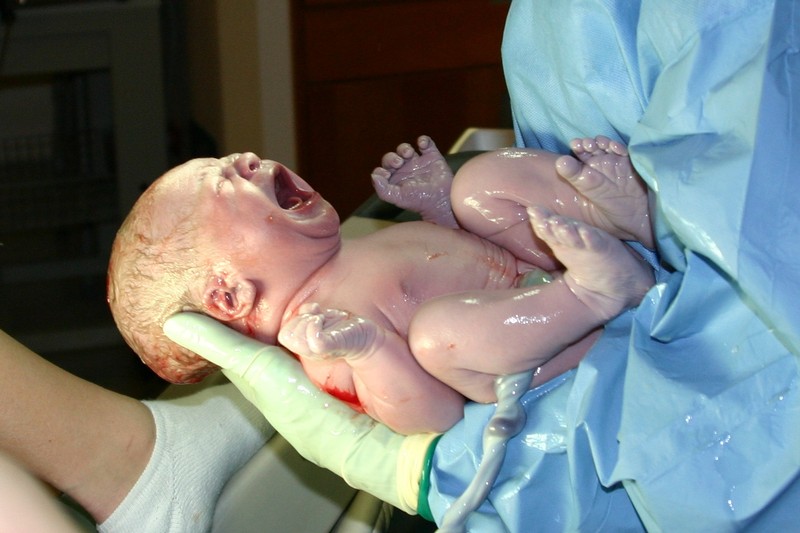
A baby who does not receive vitamin K at birth can, within days or weeks, begin to bleed internally. The blood cannot clot properly. It pools in the gastrointestinal tract, seeps from the umbilical stump, collects in the nose. In the worst cases, it gathers in the brain — causing seizures, permanent neurological damage, and death. The condition is called vitamin K deficiency bleeding, or VKDB. A single injection, administered in the first hours after delivery, virtually eliminates the risk.
For decades, that injection was one of the most routine interventions in obstetrics — as standard as weighing the newborn. Not anymore.
At St. Luke’s Health System, Idaho’s largest hospital network, 3.8 percent of families declined the vitamin K shot for their newborns in 2020. By 2025, that figure had reached 9.8 percent. One St. Luke’s hospital recorded a 20 percent refusal rate, according to data shared with ProPublica.
The pattern repeats across the country. At Mercy, a St. Louis-based system operating birthing hospitals in Missouri, Kansas, Oklahoma, and Arkansas, 536 babies did not receive the injection in 2021. By last year, that number had nearly tripled to 1,552.
Doctors at Mercy first noticed the increase during the pandemic, when vaccine hesitancy was reshaping public attitudes toward routine medical interventions. Vitamin K is not a vaccine. It is a nutrient the body uses for blood clotting, delivered in a single dose with no booster schedule. But in an environment of eroded institutional trust, the distinction appears to matter less than it once did.
Infants Dying From a Preventable Condition
At least two babies treated at St. Luke’s died within the past year from complications of VKDB, hospital officials confirmed. Dr. Tom Patterson, a pediatrician who treats newborns at St. Luke’s hospitals and has become one of the most vocal clinicians warning about rising refusal rates, told ProPublica he suspects the real number may be higher.
Patterson recently pleaded with a family to let their newborn receive the shot. The father refused — then went further, approaching the nurses to complain about Patterson pushing the matter. The encounter captures the position many clinicians now find themselves in: bargaining for permission to deliver care that was once automatic.
VKDB has become so rare, thanks to decades of near-universal supplementation, that some emergency physicians no longer recognize it. ProPublica found that doctors in several emergency rooms failed to identify the condition when bleeding infants arrived, and did not know how to reverse the damage from the declined shots. The knowledge gap is a direct consequence of the injection’s success. When prevention works this well for this long, the disease it prevents becomes a textbook footnote.
No National Picture of a Growing Problem
There is no centralized system in the US for tracking vitamin K refusal rates or VKDB cases. Hospitals that collect the data generally keep it internal, and the numbers that do exist are scattershot. ProPublica contacted 55 hospitals and birthing centers, interviewed more than 30 doctors, and filed nearly 90 public records requests with state and local health departments, medical examiners, and other agencies to assemble its findings. The outlet also analyzed data from the Centers for Disease Control and Prevention and reviewed hundreds of pages of medical and autopsy records.
A handful of hospitals agreed to share their internal data. Without that cooperation, the trend would be largely invisible.
The Science Has Not Changed
Vitamin K deficiency bleeding is almost entirely preventable. The injection has been given to newborns for generations with a strong safety record. It involves no live virus, no immune response, no schedule of doses. A nutrient, delivered once, that allows blood to clot.
Two infants at one hospital system are dead. Refusal rates are climbing — tripling at Mercy, more than doubling at St. Luke’s, reaching one in five at one Idaho hospital. The science has not changed. The treatment has not changed. What has changed is the willingness to accept it.
Sources
- Infants are bleeding out after parents decline vitamin K shots given at birth — Ars Technica / ProPublica
Discussion (9)