 lop News
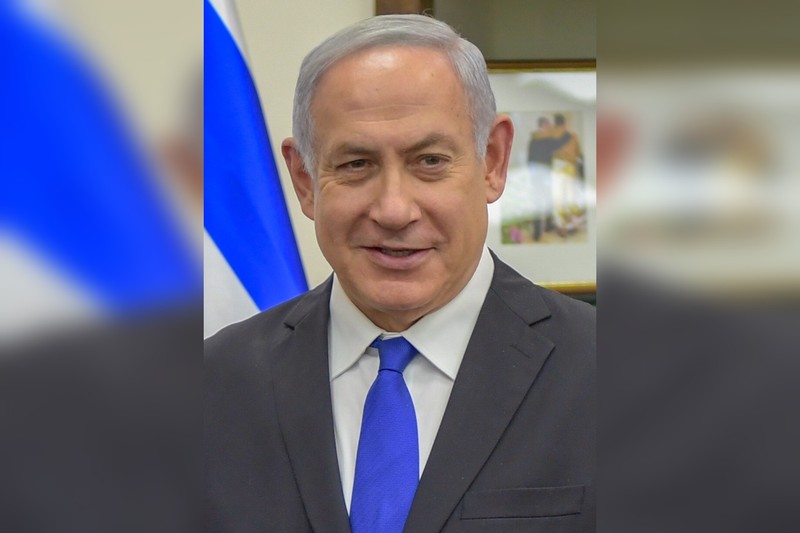
Benjamin Netanyahu was overseeing strikes on Iranian targets and managing wars on three fronts. He was also being treated for prostate cancer, and telling almost no one.
On Friday, the 76-year-old Israeli prime minister publicly disclosed that a malignant tumour was discovered during a routine follow-up to prostate surgery he had in December 2024. The growth, measuring less than a centimetre, was treated with targeted radiation at Jerusalem’s Hadassah Hospital roughly two and a half months ago, according to a source familiar with the matter who spoke to CNN. His doctors say the treatment was “fully successful.”
Netanyahu said he delayed releasing the medical report by two months to prevent Iran from exploiting the diagnosis. “I chose to delay the report’s publication so it would not come out at the peak of the war and be used by Iran for propaganda,” he said in a statement.
A Wartime Secret Kept Quiet
The timing matters. At the height of Israel’s war with Iran — a conflict involving significant Israeli military operations and close US coordination — the prime minister was carrying a cancer diagnosis shared with almost no one outside his medical team. The decision to withhold that information raises questions about wartime transparency that extend well beyond one man’s prostate.
Netanyahu framed the delay as a strategic necessity. Iranian state media had previously circulated fake, AI-generated images claiming he had died during the early weeks of the war, according to the Associated Press. A confirmed cancer diagnosis in the middle of an active conflict would have handed Tehran a ready-made narrative about Israeli leadership under strain.
The logic is defensible. It is also politically convenient.
A Pattern of Controlled Disclosure
This is not the first time Netanyahu has been less than forthcoming about his health. In July 2023, he was fitted with a pacemaker after doctors identified a “transient heart block.” His office only disclosed the procedure a full week after he fainted at a public appearance — an episode the public was initially told was dizziness. He was sedated for the operation, requiring a temporary transfer of authority to another minister. That detail, too, emerged after the fact.
In March 2024, he underwent hernia surgery — a procedure he had also had 11 years earlier.
The pattern is consistent: Netanyahu treats health information as a strategic asset, disclosed on his timeline. In peacetime, that might be a private matter. During multi-front wars, the calculus shifts. The Israeli public, military planners, and allied governments all have a stake in knowing whether the person authorising military operations is physically capable of the job.
The Succession Question Nobody Wanted to Answer
Prof. Aharon Popovtser, director of Hadassah Hospital’s oncology unit, confirmed that imaging and blood work showed the disease had disappeared. Prostate cancer caught at an early stage in a man of 76 is among the more treatable forms of the disease.
But the episode underscores a structural vulnerability. Israel is fighting in Iran, Gaza, and Lebanon simultaneously. Netanyahu is due at the White House in the coming weeks as the US pushes for a lasting peace deal with Iran. The Lebanon ceasefire has just been extended by three weeks. Each track demands sustained diplomatic and military focus from a leader who was secretly undergoing cancer treatment weeks ago.
Within Likud, Netanyahu’s party, the health disclosure will sharpen the quiet but persistent question of succession. The prime minister has dominated Israeli politics for a generation. No clear heir has emerged. Had his condition worsened during the two months it was concealed, the question of wartime succession would have been settled in crisis, not in planning.
Netanyahu said Friday he is “in excellent physical condition,” and his doctors agree. The disclosure came after treatment was complete, ahead of a White House visit, with the Iran war in a different phase than it was when the tumour was found. The timing is characteristic of a leader who controls information as carefully as political narrative.
Whether that discipline served Israel’s security or the prime minister’s image is a distinction Israelis will weigh for themselves.
Sources
- Israel’s Benjamin Netanyahu treated for early-stage prostate cancer — BBC News
- Israel’s Benjamin Netanyahu says he was treated for prostate cancer and is now healthy — Associated Press
- Netanyahu declared cancer-free after hiding diagnosis during Iran war — The Jerusalem Post
- Netanyahu reveals he quietly underwent treatment for undisclosed prostate cancer — CNN
Discussion (8)