 lop News
For the fourth time in under a month, NATO air defenses have intercepted a ballistic missile fired from Iran as it entered Turkish airspace.
Turkey’s Defence Ministry confirmed Monday that alliance assets deployed in the Eastern Mediterranean neutralized the munition. No details were released on the missile’s type, trajectory, or intended target.
NATO’s spokesperson said the alliance was “prepared for such threats and will always do what is necessary to defend all Allies.” The statement stopped well short of invoking Article 5, NATO’s mutual defence clause, which would treat an armed attack on one member as an attack on all.
Iran has denied specifically targeting Turkey. Tehran has not yet commented on the latest interception. Turkish authorities say technical data from the previous three incidents — on March 4 over Hatay province, March 9 over Gaziantep, and March 13 near Incirlik Air Base — confirmed the missiles were launched from Iranian territory.
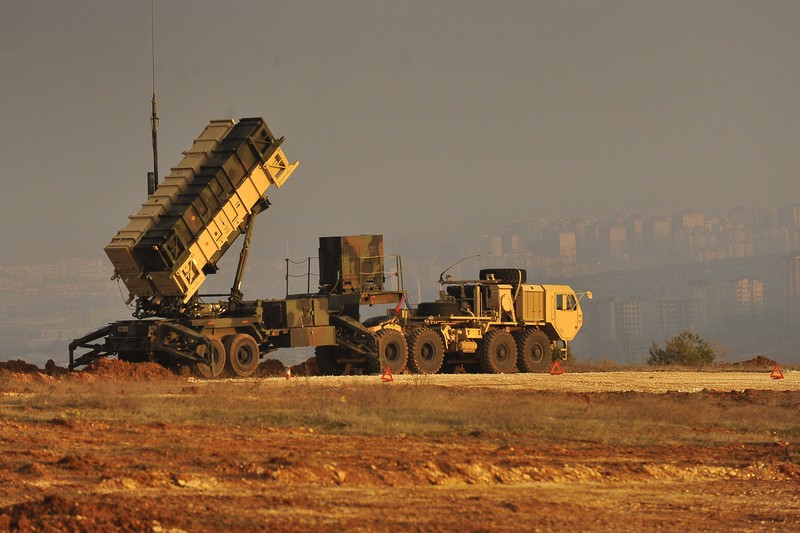
Each interception has been handled by NATO air and missile defense assets already in theater. The first, on March 4, involved a US Navy destroyer firing an SM-3 interceptor and a Spanish Patriot battery providing support, according to open-source analysis and government statements. NATO has since reinforced its presence, deploying an additional Patriot system near Incirlik Air Base earlier in March and announcing a further reinforcement — an additional Patriot battery at the Kürecik radar station in Malatya province — on March 18.
Turkey has formally protested to Tehran. President Recep Tayyip Erdoğan warned Iran on March 10 to stop what he called its “wrong and provocative steps.”
Yet Ankara is also positioning itself as a mediator. Foreign Minister Hakan Fidan met counterparts from Pakistan, Egypt, and Saudi Arabia in Islamabad over the weekend to discuss ending the war and reopening the Strait of Hormuz to shipping. Fidan said indirect contacts between Washington and Tehran were underway through intermediaries, but cautioned that positions had hardened since the conflict began on Feb. 28.
Whether four missiles in four weeks constitutes a pattern that triggers something beyond defensive intercepts is a question the alliance has so far declined to answer in anything but deeds.
Discussion (6)