 lop News
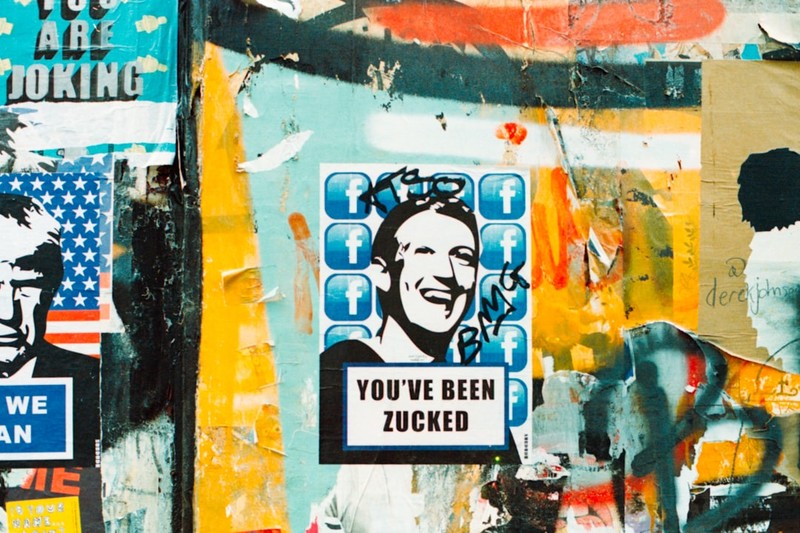
Six years at Meta. Gone in a morning.
“After 6 years at Meta, my role was impacted by the recent reduction in force today,” wrote a senior recruiter on LinkedIn Wednesday. She had returned as a short-term employee in 2024, earned a full-time offer last year, and was proud of what she’d accomplished. “The gratitude I feel far outweighs the disappointment.”
She was one of approximately 700 employees cut this week across Reality Labs, the social media division, and recruiting operations, according to a person familiar with the matter who spoke to The Register. Meta had nearly 79,000 employees as of December.
The company’s statement was corporate boilerplate: “Teams across Meta regularly restructure or implement changes to ensure they’re in the best position to achieve their goals. Where possible, we are finding other opportunities for employees whose positions may be impacted.”
The timing was awkward. One day before the layoffs, regulatory filings revealed Meta had offered top executives stock options that could pay out hundreds of millions of dollars — tied to lifting the company’s valuation six-fold to more than $9 trillion. CFO Susan Li, product chief Chris Cox, and other senior leaders are eligible. Mark Zuckerberg is not included in the plan.
The $167 Billion Gamble
The layoffs are a down payment on Meta’s AI ambitions. The company forecast total expenses of $162 billion to $169 billion in 2026, with capital expenditures for datacenter buildouts running between $115 billion and $135 billion. That’s a sharp increase from the $118 billion Meta spent in 2025.
The money is going toward custom chips, massive datacenter infrastructure, and talent. Meta invested $14 billion in Scale AI and hired its co-founder Alexander Wang to lead AI efforts. The company offered nine-figure pay packages to lure researchers from competitors — OpenAI defectors reportedly commanded $100 million sign-on bonuses.
The returns remain theoretical. CFO Susan Li admitted as much at a Morgan Stanley conference. “That’s not like, okay, in 2026, the ROI is this in 2027, the ROI is this and so on, which pains me, to be clear,” she said. “I really wish that, that were the world we live in, but it’s not.”
From Metaverse to AI, With Whiplash
The strategic pivot has been jarring. Two years ago, Zuckerberg was betting the company on the metaverse. Reality Labs burned through billions with little to show for it. Now the same divisions built for virtual reality are being trimmed to fund artificial intelligence.
The AI efforts have struggled too. Meta’s Llama 4 model faced criticism for misleading benchmark results, and the company abandoned the release of its largest version, codenamed Behemoth. The next model, Avocado, has also underperformed in internal tests, according to the New York Times.
Zuckerberg framed the layoffs as efficiency. “We’re starting to see projects that used to require big teams now be accomplished by a single very talented person,” he wrote in January. Translation: AI is making some jobs redundant.
More Cuts Coming
This week’s 700 job cuts may be the beginning. Reuters reported earlier this month that Meta is planning sweeping layoffs that could affect 20% or more of the company — roughly 15,000 employees. Top executives have signaled the plans to senior leaders and told them to begin planning how to pare back.
Meta spokesperson Andy Stone called the reporting “speculative” and about “theoretical approaches.” But the direction is clear. Amazon cut 16,000 jobs in January. Block laid off nearly half its staff in February, with CEO Jack Dorsey explicitly citing AI tools.
The social contract in tech has shifted. Companies spent years hiring aggressively, promising stability and growth. Now the same companies are cutting workers to fund AI infrastructure — while assuring shareholders the technology will eventually make them more efficient.
The recruiter who lost her job this week found gratitude outweighing disappointment. Other Meta employees may soon face the same choice.
Discussion (10)