 lop News
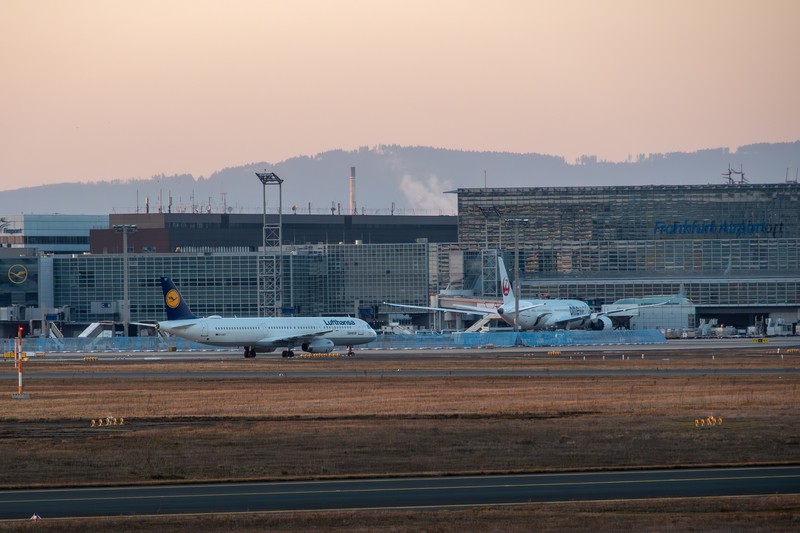
Twenty thousand flights. Not delayed, not rescheduled — gone.
Lufthansa Group announced it will eliminate 20,000 flights from its summer schedule, according to the Associated Press, one of the most significant single-season capacity cuts by a major European airline since the pandemic. The cause this time is not a virus. It is a war, a chokepoint, and a fuel bill that no amount of hedging can fully absorb.
From Hormuz to the Departure Gate
The chain runs like this: the ongoing Middle East conflict has squeezed fuel prices and supplies, according to the Associated Press. Crude prices have surged amid the disruption, and jet fuel — typically an airline’s single largest operating cost — has climbed in lockstep.
For Lufthansa, which operates one of the world’s largest long-haul fleets packed with fuel-hungry widebody aircraft, the exposure is severe. The carrier’s decision to gut its summer schedule rather than attempt to pass costs onto passengers amounts to a blunt admission: at these prices, thousands of routes simply do not cover their own fuel burn.
Six Hubs, One Problem
The cuts span Lufthansa Group’s hub network, touching both short-haul European routes and intercontinental flights, according to reporting by the Associated Press. Lufthansa Group framed the move as a restructuring of its summer flight offering, phrasing that sits uneasily alongside the reality of canceling the equivalent of an entire season of flying.
The breadth matters. This is not pruning underperforming city pairs or suspending a single troubled route. A reduction spanning every hub in the group’s portfolio is a systemic retreat — a signal that the cost pressure is structural, not localized.
48 Hours, Two Continents
Lufthansa’s announcement did not arrive in isolation.
When a legacy carrier on each side of the Atlantic trims capacity or guidance within a single news cycle, the pattern is unmistakable. This is not one airline’s hedging failure or a single bad quarter. The aviation fuel market has shifted beneath the entire industry’s feet, and the adjustments are accelerating.
What Disappears
The practical consequences will cascade through the summer travel season. Fewer flights mean fuller aircraft on the routes that survive, which in turn means higher fares — basic supply-and-demand dynamics that Lufthansa’s revenue managers will not leave on the table.
Short-haul intra-European routes are especially vulnerable. These flights operate on thinner margins and carry less pricing power than lucrative transatlantic connections, making them natural candidates for the blade. Regional business travelers and leisure passengers across the continent should expect thinner schedules and heftier ticket prices at exactly the time of year demand typically peaks.
Long-haul routes through Frankfurt and Munich — the group’s primary intercontinental gateways — will also see reductions, with downstream effects for connecting traffic from partner airlines and codeshare arrangements.
The Bill Comes Due
Airlines manage fuel-cost volatility as a matter of routine. Hedging contracts smooth out price spikes; fare adjustments pass some costs to passengers; capacity tweaks rebalance the network. Those tools are still in play. But the scale and velocity of this round of cuts suggest the standard playbook is straining against a problem that is not resolving.
The Middle East conflict shows no near-term resolution. Oil markets continue to price in prolonged disruption to Gulf shipping lanes. Every trading day that elevated crude prices persist deepens the hole in airline operating budgets that were built on cheaper assumptions.
Lufthansa’s math was unsentimental: fly fewer planes, burn less fuel, preserve cash. Whether competitors follow — and whether consumer demand holds if fares climb sharply enough — will determine whether 20,000 flights represents the floor or merely the opening bid.
Summer bookings had been strong across the transatlantic market heading into the season. The question now facing millions of passengers is how many of those bookings still have an aircraft attached to them.
Sources
- Airline company Lufthansa cuts 20,000 flights as war squeezes fuel prices and supplies — Associated Press via Google News
Discussion (9)