 lop News
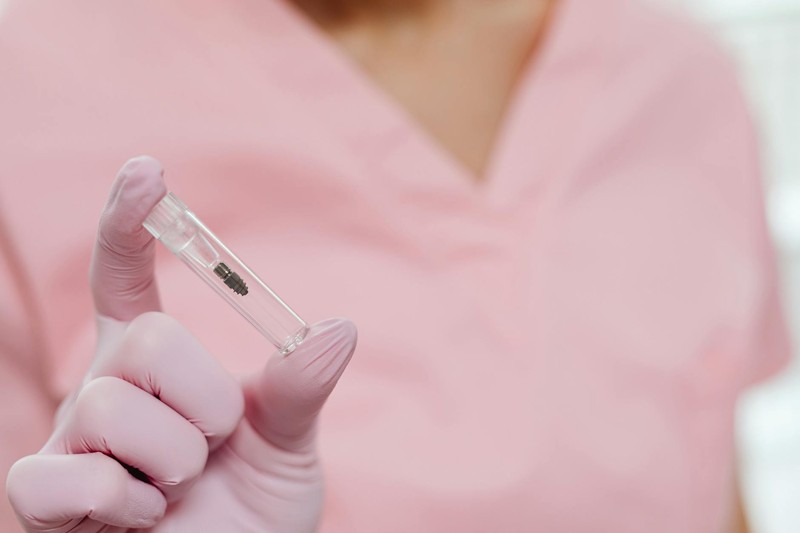
Three drugs. One implant. A month of steady dosing without a single pill.
Scientists at Northwestern, Rice, and Carnegie Mellon have built what they’re calling a “living pharmacy” — a wireless device roughly the size of a folded stick of gum that houses genetically engineered cells capable of producing multiple medications inside the body.
In a study published March 27 in the journal Device, the team showed their implant could simultaneously deliver an anti-HIV antibody, a GLP-1-like peptide used to treat type 2 diabetes, and leptin, a hormone that regulates appetite. All three drugs remained at therapeutic levels in rats for the full 30-day study period.
The key innovation is oxygen. Implanted cells quickly suffocate in the tight quarters of a subcutaneous device, competing with each other for the limited supply. Previous attempts saw therapeutic levels crash within days.
The new system, dubbed HOBIT (hybrid oxygenation bioelectronics system for implanted therapy), solves this by generating oxygen on-site. A tiny electrochemical component splits water molecules to feed the cells directly. The result: cell densities six times higher than conventional approaches, and 65% of cells still alive after a month compared to just 20% in control devices.
“Traditional biologic drugs often have very different half-lives, so maintaining stable levels of multiple therapies can be challenging,” said Jonathan Rivnay of Northwestern, who co-led the study. “Because our implanted ‘cell factories’ continuously produce these biologics, keeping the cells alive with our oxygenation technology allows us to sustain steady levels multiple different therapeutics at once.”
The implications for chronic disease management are significant. Patients who struggle with adherence — remembering multiple pills with different dosing schedules — could one day receive a single implant that handles everything automatically.
The technology remains early-stage. The team plans to test in larger animals next, with an eye toward disease-specific applications including pancreatic cell therapies for diabetes. A separate test in a macaque showed the empty device could be safely implanted and removed without serious immune response.
Sources
- Implantable ‘living pharmacy’ produces multiple drugs inside the body — Northwestern University
- Scientists Create ‘Living Pharmacy’ Implant That Doses 3 Drugs at Once — Gizmodo
- Design of a wireless, fully implantable platform for in-situ oxygenation of encapsulated cell therapies — Device (Cell Press)
Discussion (6)