 lop News
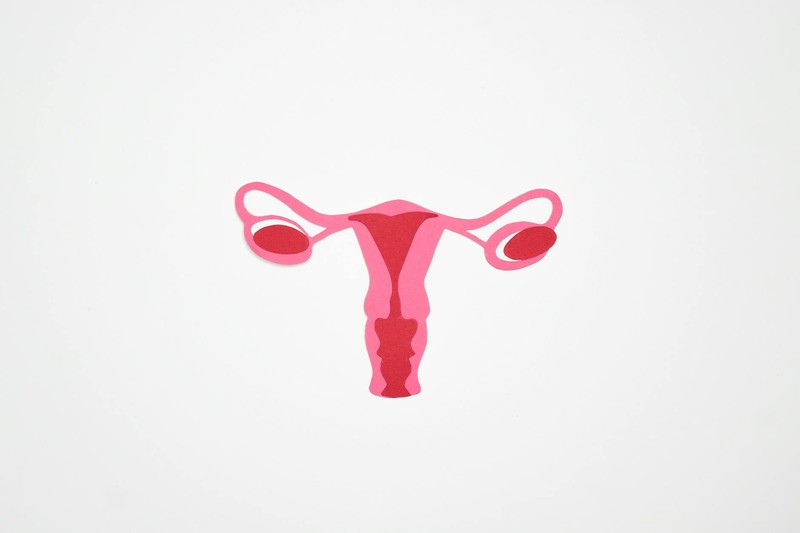
Every month, the human uterus does something remarkable: it tears down its own lining and rebuilds it from scratch, leaving no scar tissue behind. Skin wounds scar. Liver damage scars. The endometrium, somehow, does not. Medicine has never fully explained why.
A team at the Friedrich Miescher Institute for Biomedical Research (FMI) in Basel, Switzerland, just cracked that mystery open — by building a miniature uterus that menstruates on command.
The findings, published in Cell Stem Cell on 28 April, represent the first laboratory model that successfully recreates the full arc of the menstrual cycle: hormone-driven tissue growth, controlled shedding, and scar-free regeneration. And the answer to why regeneration happens without scarring turns out to challenge decades of assumptions.
A Sphere of Cells That Acts Like the Real Thing
Konstantina Nikolakopoulou, a molecular biologist who led the work in Margherita Turco’s group, started with endometrial organoids — tiny three-dimensional structures grown from epithelial cells taken from human uterine biopsies. These cells self-organize into hollow spheres when placed in a gelatin-based membrane, mimicking the geometry of the uterine lining.
Previous organoid models, first developed in 2017, could sustain endometrial cells. But they couldn’t menstruate. Nikolakopoulou’s breakthrough was to subject the organoids to the same hormonal rollercoaster the human body experiences: a sequence of estrogen and progesterone, followed by abrupt hormone withdrawal. In the body, that progesterone plunge triggers shedding. In the organoids, the team had to mimic it mechanically — breaking down the tissue with a pipette, since the specific cell types that drive shedding weren’t present.
Then they watched. The tissue regenerated, just as it would in a human uterus.
The Surface Leads the Repair
The prevailing theory, supported by research in primates, held that deep-tissue stem cells were responsible for rebuilding the endometrium each month. Nikolakopoulou and her colleagues found something different entirely.
When they analysed which cells were active during regeneration, the spotlight fell on luminal epithelial cells — the cells that sit at the surface of the uterine lining, where they normally help embryos implant before pregnancy. These cells, it turns out, adopt what the researchers describe as a “wound-healing identity” during menstruation, acting as a signalling hub that orchestrates the repair process.
Central to that process is a gene called WNT7A. Its expression spikes immediately after tissue breakdown, supporting cell survival and regrowth. When the team used gene editing to remove WNT7A from the organoids, their ability to grow and survive was significantly reduced. The researchers also confirmed WNT7A activity in human endometrial samples at the stage just before regeneration begins — confirming that what they observed in the dish mirrors what happens in the body.
The luminal cells don’t just fix themselves. They release signalling molecules that communicate with immune cells, blood vessel cells, and other neighbours, promoting wound healing and new blood vessel formation. It’s a coordinated response driven from the surface inward, not from the depths up.
Opening a Black Box
The implications extend well beyond understanding a single tissue. Endometriosis, which affects an estimated 190 million women and girls worldwide according to the World Health Organization, has no cure and limited treatment options. Heavy menstrual bleeding, recurrent miscarriage, and other gynaecological conditions remain poorly understood. A lab model that faithfully reproduces the menstrual cycle gives researchers a platform to study these diseases in unprecedented detail.
“Menstruation affects hundreds of millions of women every day, yet it has historically received little scientific attention,” Turco said. “We wanted to create a model to open this black box.”
Deena Emera, an evolutionary biologist at the Buck Institute for Research on Aging in California, told Nature that the findings could also inform regeneration research in other tissues — the mechanisms of scar-free repair are relevant far beyond the uterus.
Simple, by Design
The current organoids contain only epithelial cells — no immune cells, no blood vessels, no stromal tissue. That simplicity is intentional. Nikolakopoulou describes it as a first step: understand the puzzle piece before adding more to the board. Future work will incorporate additional cell types to better approximate the full endometrial environment.
For a process that roughly half the human population experiences for decades of their lives, the basic biology of menstruation has received strikingly little attention. This study doesn’t close the gap — but it provides, for the first time, a working laboratory model to start asking the questions that should have been asked long ago.
Sources
- This organoid can menstruate — and shows how tissue can repair itself — Nature News
- Lab-grown uterus models reveal secrets of menstrual regeneration — Friedrich Miescher Institute for Biomedical Research
- Endometrial Organoids Reveal WNT7A Gene Drives Scar-Free Uterine Regeneration — Donga Science
Discussion (8)